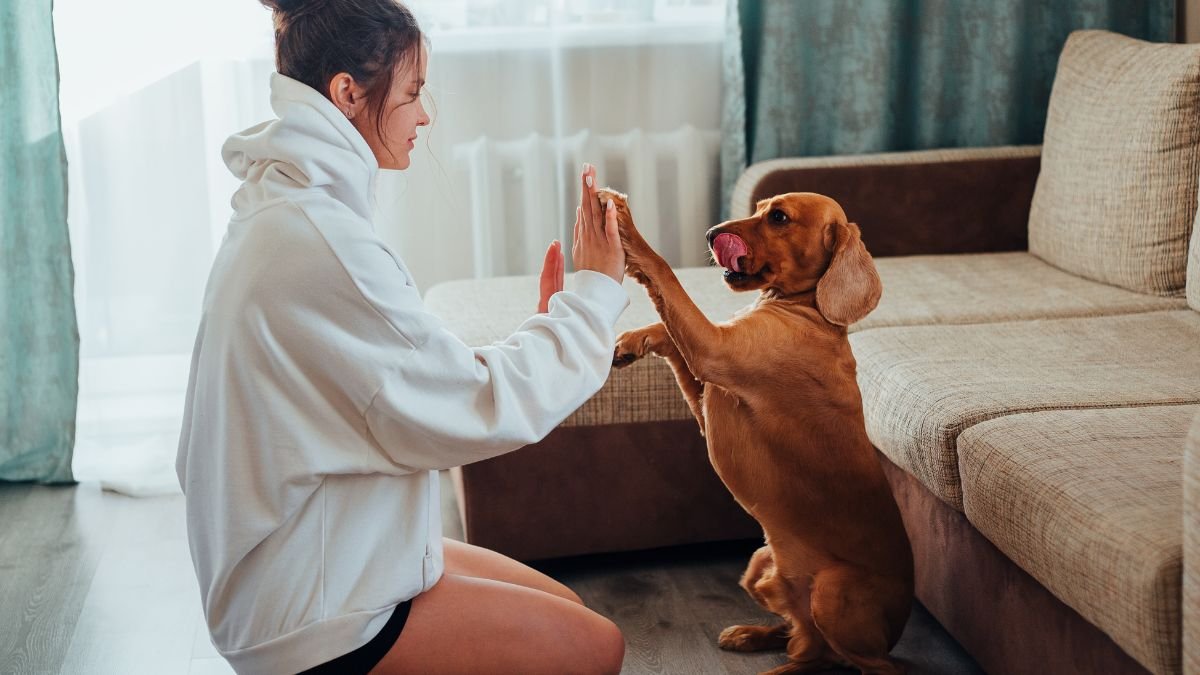
Sharing your home with a large dog is one of life’s greatest joys. Whether you have a Labrador, German Shepherd, Golden Retriever, Rottweiler, or another big breed, your dog is part of the family. However, large dogs also bring unique challenges for your home’s flooring.Heavy paws, sharp nails, muddy footprints, spilled water, and daily running can quickly wear out the wrong type of floor. Choosing a flooring material that looks beautiful but cannot handle daily pet activity often leads to expensive repairs.The good news is that many modern flooring options are made to handle busy households with pets. Some resist scratches, others repel water, and many are easy to clean after a long day of outdoor adventures.
In this guide, you’ll learn everything you need to know about choosing the best flooring for homes with large dogs. We’ll explain what makes flooring pet-friendly, explore the top flooring materials, and share practical tips to help you make a smart investment that lasts for years.
What Is the Best Flooring for Homes With Large Dogs?
The best flooring for homes with large dogs is a flooring material that can resist scratches, handle moisture, provide good grip, and stay attractive even after years of daily use. Luxury Vinyl Plank (LVP) is often considered the top choice because it combines durability, waterproof protection, comfort, and easy maintenance. Porcelain tile and engineered hardwood are also excellent options, depending on your budget and style preferences.
Why Choosing the Right Flooring Matters
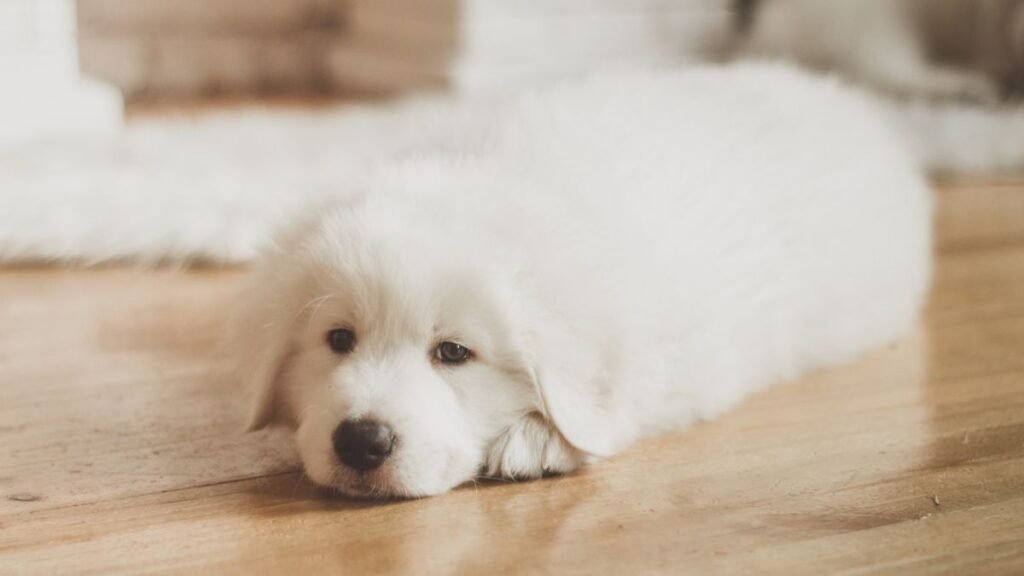
Many homeowners focus only on how flooring looks. While appearance is important, performance matters even more when you have large dogs.
A playful dog can run through the house several times a day. Their nails create pressure on the floor every time they walk or turn quickly. If the flooring is too soft, scratches can appear within weeks.
Water is another concern. Dogs splash water from their bowls, come inside with wet paws after rain, and sometimes have accidents. Flooring that absorbs moisture can swell, stain, or develop unpleasant odors over time.
Safety also matters. Very slippery flooring makes it difficult for dogs to walk comfortably. Older dogs and breeds with joint problems can struggle to keep their balance, increasing the risk of falls.
Good flooring protects your investment while making your home more comfortable for every member of the family—including your pets.
Features to Look for in Dog-Friendly Flooring
Before choosing any flooring material, consider the features that matter most for homes with large dogs.
Scratch Resistance
Large dogs have strong nails that naturally leave marks on soft flooring. Even if you trim your dog’s nails regularly, everyday movement can still cause damage.
Choose flooring with a durable wear layer that can resist scratches. This helps your floor maintain its appearance for many years.
Water Resistance
No matter how well trained your dog is, water and moisture are part of daily life. Wet paws, spilled bowls, and occasional accidents can damage flooring that is not water resistant.
Waterproof flooring offers better long-term protection and requires less maintenance.
Easy Cleaning
Pet hair, dirt, and mud can build up quickly.
The best flooring should allow you to sweep, vacuum, or mop without special cleaners or complicated maintenance routines.
Slip Resistance
Dogs need good traction while walking and running indoors.
Flooring with a slightly textured surface provides better grip and helps reduce slipping, especially for older pets.
Comfort
Hard flooring may last longer, but comfort is also important.
A surface that feels comfortable underfoot helps both pets and family members enjoy the space every day.
Durability
Replacing flooring is expensive.
Choosing a durable material from the beginning usually saves money because it lasts much longer and requires fewer repairs.
Luxury Vinyl Plank (LVP)
Luxury Vinyl Plank has become one of the most popular flooring choices for pet owners, and for good reason. It offers an excellent balance of durability, comfort, affordability, and style.
Modern LVP is designed to look like natural hardwood, complete with realistic grain patterns and textures. At first glance, many people cannot tell the difference.
Its biggest advantage is waterproof protection. Unlike traditional wood flooring, LVP does not absorb water. That means muddy paws, spilled water bowls, and small accidents are much less likely to cause permanent damage.
Another reason homeowners choose LVP is its scratch resistance. Most premium products include a strong wear layer that protects against everyday damage from dog nails, toys, and furniture.
Cleaning is simple. Regular sweeping removes pet hair, while a damp mop easily cleans dirt and muddy footprints.
LVP also feels warmer and softer than tile, making it more comfortable for both people and pets. Some products include built-in underlayment that reduces noise, which is helpful if your dog enjoys running through the house.
Although lower-quality vinyl products can wear out faster, investing in a high-quality Luxury Vinyl Plank floor often provides excellent long-term value.
Porcelain Tile Flooring
Porcelain tile is one of the strongest flooring materials available for residential homes. It performs exceptionally well in busy households with large dogs because it resists scratches, dents, moisture, and heavy foot traffic.
Unlike wood, porcelain tile does not absorb water. This makes it an excellent choice for entryways, kitchens, mudrooms, laundry rooms, and other areas where dogs frequently enter after spending time outdoors.
Another major advantage is its lifespan. Properly installed porcelain tile can last for decades with very little maintenance. Regular sweeping and occasional mopping are usually enough to keep it looking clean.
Many homeowners also appreciate the wide range of styles available today. Modern porcelain tiles can mimic natural stone, hardwood, or concrete while offering much better durability.
One thing to consider is comfort. Tile feels harder and cooler than other flooring materials. During colder months, it may feel chilly underfoot unless paired with rugs or radiant floor heating.
Even with this small drawback, porcelain tile remains one of the most reliable flooring choices for homes with energetic, active dogs.
Engineered Hardwood Flooring
If you love the warm, timeless beauty of real wood, engineered hardwood is worth considering.
Unlike solid hardwood, engineered hardwood is made with multiple layers that improve stability and reduce expansion caused by humidity. This makes it a better choice for homes where moisture is sometimes unavoidable.
Many manufacturers apply advanced protective finishes that help reduce everyday scratches from pet nails. While no wood floor is completely scratch-proof, high-quality engineered hardwood holds up much better than traditional hardwood in busy households.
Engineered hardwood also adds value to a home. Many buyers appreciate its natural appearance and long lifespan, making it an attractive investment for homeowners planning to stay in their property for many years.
Regular cleaning and quick attention to spills help keep engineered hardwood in excellent condition. Placing rugs near entrances and trimming your dog’s nails can also reduce wear over time.
For homeowners who want the elegance of genuine wood without sacrificing too much durability, engineered hardwood offers an excellent balance between beauty and performance.
Laminate Flooring
Laminate flooring has improved a lot over the past few years. Older laminate products were known for swelling when exposed to water, but many modern options now include waterproof technology that makes them much more suitable for homes with pets.
One of the biggest benefits of laminate flooring is its tough wear layer. This protective coating helps prevent scratches caused by dog nails, making it a practical choice for families with large dogs. It also resists fading from sunlight, so the floor keeps its appearance for many years.
Laminate is available in many styles, colors, and textures. You can find designs that closely resemble oak, maple, walnut, and other hardwood species at a much lower cost. This makes it a great option if you want the look of wood without spending a large amount of money.
Cleaning laminate flooring is simple. Regular sweeping or vacuuming removes pet hair and dirt, while a damp microfiber mop keeps the surface fresh. However, avoid leaving standing water on the floor for long periods, especially if the product is water-resistant rather than fully waterproof.
When shopping, choose a high-quality laminate with a thick wear layer and waterproof core. These features provide better protection and a longer lifespan.
Bamboo Flooring
Bamboo flooring is becoming a popular choice for homeowners who want a durable and eco-friendly floor.
Many people think bamboo is a type of wood, but it is actually a fast-growing grass. Even so, high-quality strand-woven bamboo is extremely hard and can handle daily wear from large dogs better than many traditional hardwood floors.
Bamboo has a clean, modern appearance that fits many home styles. It is available in different shades, allowing you to match almost any interior design.
One advantage of bamboo is its strength. Quality products resist dents and scratches better than softer hardwoods. However, not all bamboo flooring is made the same. Cheap products may scratch more easily and may not last as long.
Like engineered hardwood, bamboo should be cleaned regularly and protected from excessive moisture. Wipe up spills quickly and use felt pads under heavy furniture to reduce wear.
If sustainability is important to you, bamboo is an excellent flooring option because it grows much faster than most hardwood trees.
Cork Flooring
Cork flooring offers a unique combination of comfort and quietness. It is softer than tile, vinyl, and hardwood, making it easier on your dog’s joints.
Older dogs often benefit from walking on a slightly softer surface. Cork naturally provides a little cushioning, which may make daily movement more comfortable.
Another advantage is noise reduction. Cork absorbs sound, so your dog’s footsteps are much quieter compared to harder flooring materials. This feature is especially helpful in multi-story homes.
Cork also has natural insulating properties, helping rooms stay warmer during colder months.
The main downside is durability. Although modern finishes improve its strength, cork is still softer than vinyl or tile. Heavy furniture and sharp dog nails can leave marks over time.
If you choose cork flooring, select a product with a high-quality protective finish and reseal it as recommended by the manufacturer. Proper maintenance can significantly extend its lifespan.
Flooring Types to Avoid
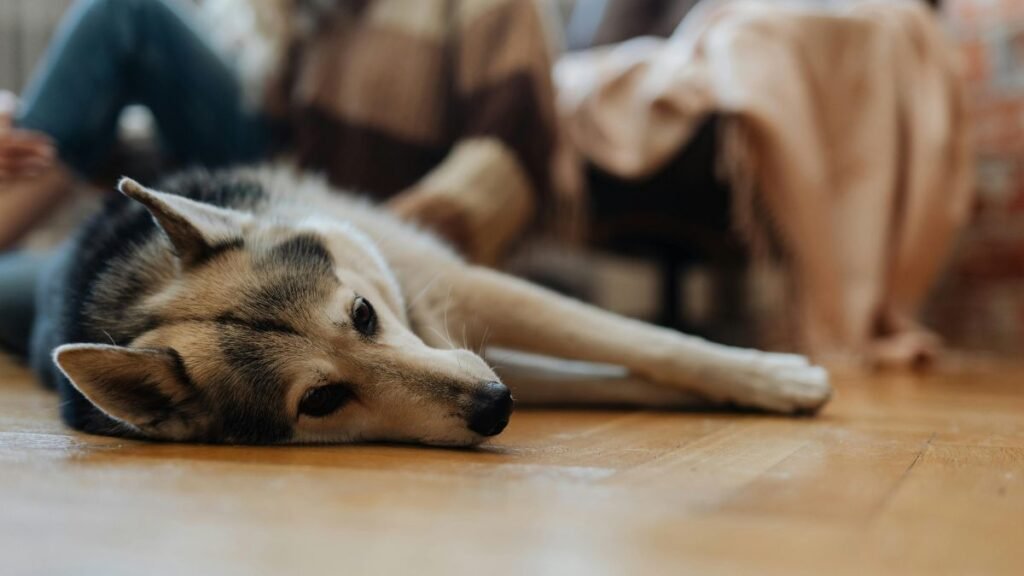
Not every flooring material works well in homes with large dogs.
Solid Hardwood
Solid hardwood is beautiful, but it scratches more easily than many people expect. It also reacts to moisture, which can cause swelling or staining if spills are not cleaned quickly.
Carpet
Carpet may feel soft, but it collects pet hair, dirt, dust, and odors. It can also trap allergens and become difficult to clean after accidents.
In homes with large dogs, carpet often wears out faster than hard-surface flooring.
Soft Wood Flooring
Soft woods such as pine dent and scratch much more easily than harder flooring materials. Large dogs can leave visible marks in a short amount of time.
Tips to Keep Your Flooring Looking New
Even the strongest flooring benefits from proper care. A few simple habits can make a big difference.
Trim your dog’s nails every few weeks. Shorter nails reduce scratches and improve your dog’s grip while walking.
Place durable mats near entry doors. These catch dirt, sand, and moisture before your dog walks through the house.
Use waterproof mats under food and water bowls to protect the floor from daily spills.
Sweep or vacuum regularly to remove dirt and tiny stones that may scratch the surface over time.
Clean muddy paw prints as soon as possible. Allowing dirt to dry makes cleaning harder and may increase wear.
Avoid harsh chemical cleaners unless the flooring manufacturer recommends them. Mild cleaners are usually enough for routine maintenance.
Adding rugs in hallways and favorite play areas also helps reduce everyday wear while giving your dog better traction.
Common Mistakes Homeowners Make
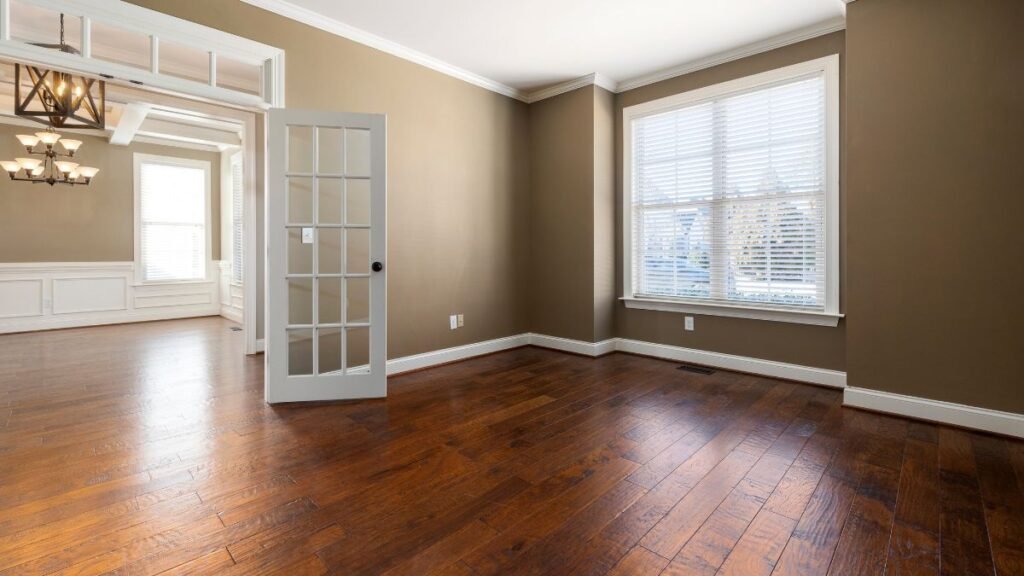
Many homeowners regret their flooring choice because they overlook important details.
One common mistake is choosing flooring based only on appearance. A beautiful floor may not be durable enough for a large, active dog.
Another mistake is buying the cheapest product available. Low-cost flooring often has thinner wear layers, making it more likely to scratch or wear out quickly.
Some people forget to think about traction. Very smooth floors may look modern, but they can be slippery, especially for older dogs.
Ignoring maintenance instructions is another problem. Even waterproof flooring lasts longer when it is cleaned properly and protected from unnecessary damage.
Finally, many homeowners forget to consider their future needs. If you plan to have more pets or children later, investing in durable flooring now can save money in the long run.
Frequently Asked Questions
What is the most durable flooring for large dogs?
Luxury Vinyl Plank and porcelain tile are among the most durable flooring choices. They resist scratches, moisture, and heavy daily use while remaining easy to maintain.
Is waterproof flooring necessary for dog owners?
Waterproof flooring is highly recommended. It protects against wet paws, spilled water bowls, and unexpected accidents, helping your floor last much longer.
Can large dogs damage vinyl flooring?
High-quality Luxury Vinyl Plank is designed to handle everyday wear from large dogs. While no flooring is completely damage-proof, premium vinyl performs very well in busy homes.
Which flooring is easiest to clean?
Luxury Vinyl Plank, porcelain tile, and waterproof laminate are all easy to sweep and mop, making them ideal for pet owners.
Is hardwood flooring a good choice for homes with dogs?
Engineered hardwood is generally a better option than solid hardwood because it offers improved stability and better resistance to changes in moisture.
How often should I clean floors in a home with dogs?
Sweeping or vacuuming several times each week helps remove dirt and pet hair. Damp mopping once a week keeps most hard floors looking clean and fresh.
Conclusion
Finding the best flooring for homes with large dogs is about more than choosing a style you like. The right flooring should handle daily activity, resist scratches, protect against moisture, and stay easy to maintain for many years.
Luxury Vinyl Plank remains one of the best all-around choices because it combines durability, comfort, waterproof protection, and attractive designs. Porcelain tile offers outstanding strength, while engineered hardwood gives you the beauty of real wood with improved stability.
Take time to compare your lifestyle, budget, and your dog’s needs before making a final decision. Investing in quality flooring today can help you avoid costly repairs and enjoy a cleaner, safer, and more comfortable home for years to come.