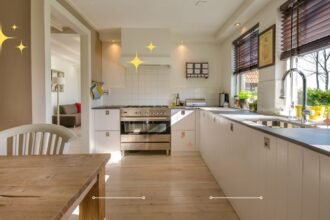
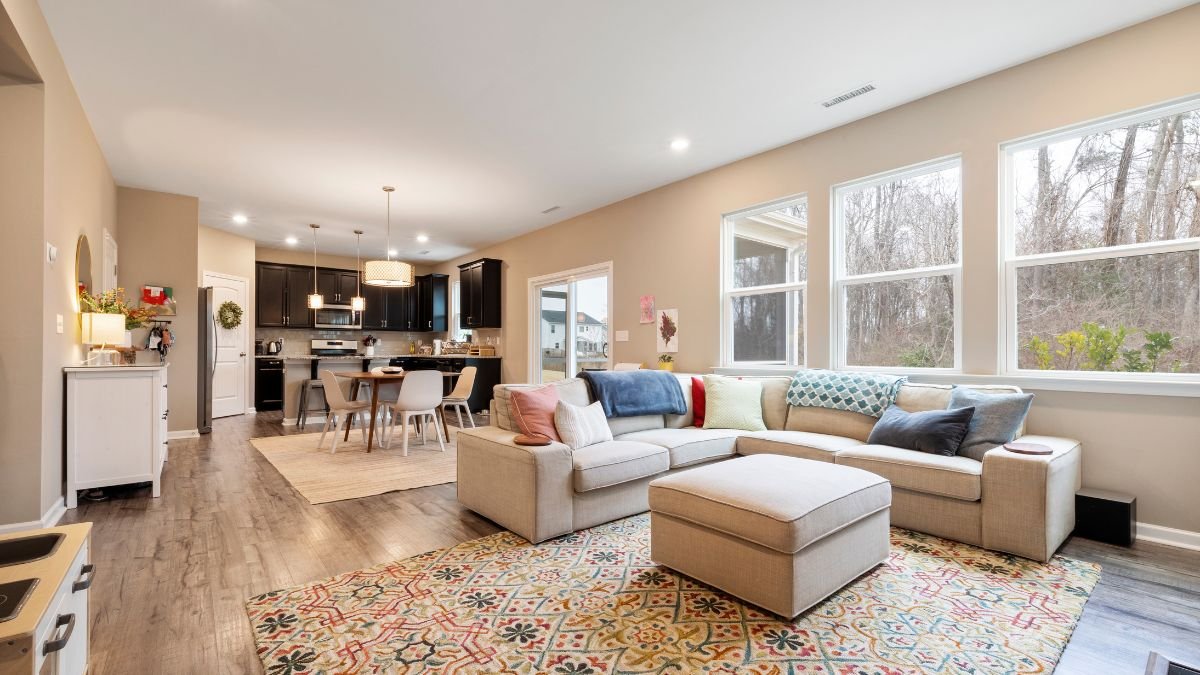
You do not need to tear down walls or spend months living around construction dust to make your home better. Many home upgrades without renovation can improve the way your home looks, feels, and works with relatively little disruption.
A better light fixture can make a dark room easier to use. A quieter bedroom can help create a more restful space. Better ventilation can help manage moisture, while simple weatherization can reduce drafts.
For a health-focused home, the goal is not simply to make a house look newer. It is to create a space that supports comfort, safety, clean indoor air, good sleep, and everyday well-being.
Here are 30 upgrades to consider, from quick weekend projects to improvements that may need a qualified professional.
1. Upgrade Your Lighting
Lighting affects how comfortable and functional a room feels.
Replace outdated bulbs with efficient LED lighting and choose brightness based on the room’s purpose. Living areas may benefit from softer light, while kitchens and work areas often need brighter task lighting.
Good lighting can also make stairs, hallways, bathrooms, and entrances easier to navigate.
2. Install Dimmer Controls
A dimmer can make one light fixture more useful throughout the day.
Lower light may create a calmer evening environment, while brighter light can help with cleaning, cooking, reading, or other tasks.
Make sure your bulbs and dimmer are compatible. Electrical work should be handled by a qualified electrician if you are not trained to do it safely.
3. Improve Bedroom Lighting
The bedroom should feel calm rather than harsh.
Consider bedside lamps, adjustable reading lights, or warmer-colored bulbs. Keep bright overhead lighting from being the only option.
A simple lighting change can make the room feel more relaxing without replacing furniture or remodeling the space.
4. Replace Worn Weatherstripping
Drafty doors and windows can make rooms uncomfortable.
Replacing damaged weatherstripping is one of the easier home upgrades without renovation. It can reduce unwanted air movement and help your heating or cooling system work more efficiently.
5. Seal Appropriate Air Gaps
Look for suitable gaps around windows, doors, and other areas where unwanted outdoor air enters.
Use a product designed for the surface and location. However, do not seal ventilation openings that are intentionally designed to provide combustion air or building ventilation.
When you are unsure whether a gap should be sealed, get professional advice.
6. Upgrade Window Treatments
Window treatments can change comfort without changing the windows themselves.
Curtains, shades, and blinds can help control sunlight, privacy, and drafts. In hot climates, appropriate window coverings can also reduce unwanted solar heat.
Choose options that suit the room and are easy to clean.
7. Improve Bedroom Sound Control
Noise can make a bedroom feel less restful.
You can reduce some everyday noise with thicker curtains, rugs, door seals, upholstered furniture, or strategically placed soft furnishings.
If outside noise is severe, look at the source before spending money. Sometimes sealing a door gap is more useful than buying decorative soundproofing products.
8. Upgrade Your Mattress
A mattress does not need to be part of a renovation to make a noticeable difference.
If your mattress is uncomfortable, sagging, or interfering with your sleep, replacing it may be a worthwhile upgrade.
There is no single mattress that works for everyone. Comfort, body support, sleeping position, temperature, and personal preference all matter.
9. Choose Better Bedroom Curtains
Blackout or light-blocking curtains can be useful for people who need a darker sleeping environment, particularly in bright urban areas or when working unusual hours.
Look for curtains that are easy to wash and fit the window properly.
This is a relatively simple change that can make a bedroom feel more private and comfortable.
10. Improve Bathroom Ventilation
Bathrooms produce a lot of moisture.
Use an exhaust fan that vents appropriately to the outdoors and run it during bathing and afterward as recommended for your system. Keep the fan grille clean so airflow is not unnecessarily restricted.
Moisture control is important because persistent dampness can contribute to mold growth. The EPA identifies moisture control and ventilation as key parts of maintaining indoor air quality. (epa.gov)
11. Replace an Old Showerhead
A worn showerhead can make a bathroom feel dated.
Replacing it is usually much easier than changing the shower itself. Look for a model that provides a comfortable spray while using water efficiently.
Before buying, check the connection size and local water-efficiency requirements.
12. Refresh Bathroom Caulk
Cracked or missing caulk around tubs, showers, and sinks can allow water to reach places where it does not belong.
Remove failing caulk, clean the surface, let it dry completely, and apply a suitable product.
If you see persistent dampness, staining, or mold behind the caulk, investigate the moisture source rather than simply covering it.
13. Upgrade Kitchen Ventilation
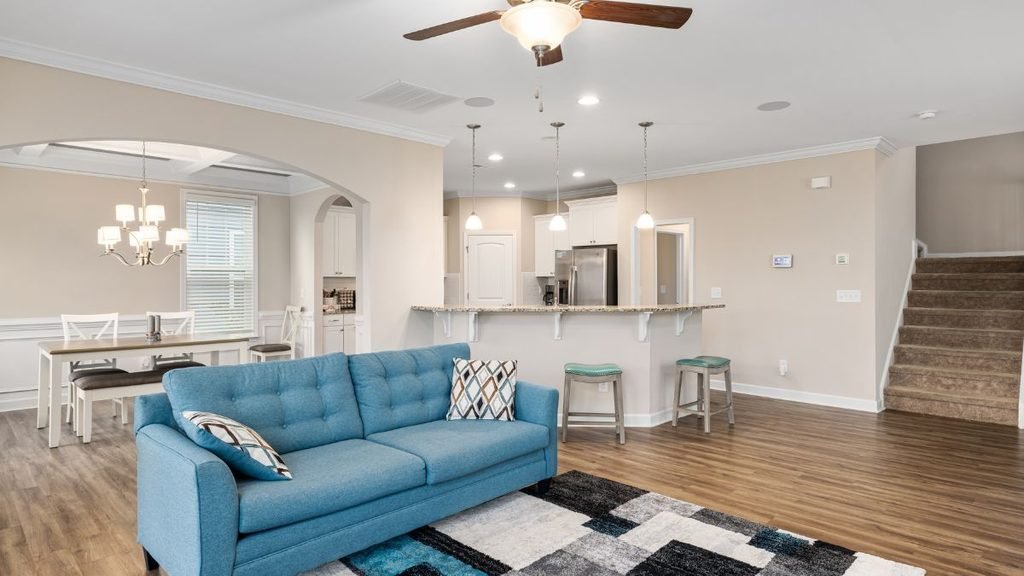
Cooking releases moisture and can also produce particles and other pollutants.
If you have a range hood that vents outdoors, use it while cooking and follow the manufacturer’s cleaning instructions. If you are replacing a hood, consider one that properly vents outdoors where feasible.
14. Add a Water Filter
If your tap water has an unpleasant taste or you want to reduce a specific contaminant, a suitable water filter may help.
Do not assume every filter removes every contaminant. Check the product’s certification and performance claims for the specific substance you want to reduce.
If you use a filter, replace cartridges according to the manufacturer’s instructions.
15. Fix Leaking Faucets
A leaking faucet is a small problem that can waste water and become more irritating over time.
Depending on the design, the repair may involve replacing a cartridge, washer, O-ring, or other component.
If you cannot locate the source of the leak or the plumbing is damaged, call a qualified plumber.
16. Upgrade Cabinet Hardware
Changing cabinet knobs and handles is one of the quickest visual improvements you can make.
Choose hardware that is comfortable to grip and easy to clean. Consistent finishes can also make a kitchen or bathroom look more coordinated.
You do not need to replace the cabinets to give them a fresh appearance.
17. Improve Flooring Safety
Loose rugs and slippery surfaces can create unnecessary hazards.
Use suitable non-slip pads under rugs and remove curled edges. In bathrooms, consider flooring or mats designed for wet areas.
If a floor is damaged, uneven, or becoming slippery because of a moisture problem, address the underlying issue rather than relying only on a mat.
18. Add Handrails Where Needed
A secure handrail can make stairs and other areas easier and safer to use.
Check that existing rails are firmly attached. If you add one, install it according to appropriate building and accessibility requirements.
For structural mounting or major stair modifications, professional installation is a sensible choice.
19. Upgrade Smoke Alarms
Smoke alarms are among the most important safety devices in a home.
Test existing alarms regularly and follow the manufacturer’s instructions for batteries, cleaning, placement, and replacement. If your alarms are old, replacing them may be more useful than trying to repair them.
20. Add Carbon Monoxide Alarms
Carbon monoxide is an invisible and potentially deadly gas.
If your home has fuel-burning appliances or other potential CO sources, install carbon monoxide alarms in appropriate locations and follow local requirements and manufacturer guidance.
Never ignore a carbon monoxide alarm. Leave the building and contact emergency services or the appropriate local authority if the alarm indicates dangerous CO levels.
21. Check Your HVAC Filter
A clean, appropriate HVAC filter is an easy part of routine home care.
Check the equipment manufacturer’s instructions for the correct filter type and replacement schedule. Do not automatically assume that a thicker or higher-rated filter is better for every system.
If airflow becomes weak or the system behaves unusually, have it inspected.
22. Add a Humidity Monitor
Indoor humidity is easy to overlook.
If humidity stays high, look for the source. Bathrooms, kitchens, leaks, poor ventilation, and humid outdoor conditions can all contribute.
23. Improve Indoor Ventilation
Fresh outdoor air can help dilute indoor pollutants when outdoor conditions are suitable.
Use kitchen and bathroom exhaust fans, open windows when appropriate, and maintain mechanical ventilation systems according to their instructions.
If outdoor air quality is poor, however, opening windows may not be the best choice. Follow local air-quality guidance.
24. Use Low-VOC Products When Practical
Some paints, adhesives, cleaners, and other products release volatile organic compounds, commonly called VOCs.
When choosing paints or household products, lower-VOC options can be worth considering, particularly during indoor projects.
However, “low VOC” does not automatically mean a product is harmless. Always follow the label, provide appropriate ventilation, and store chemicals safely.
25. Create a Shoe-Free Entry
Shoes can bring dirt and other outdoor material into the home.
Place a washable mat near the entrance and provide a convenient place for shoes. If your household prefers a shoe-free policy, add a small bench or storage area to make the habit easier.
The best systems are simple enough that everyone can follow them.
26. Reduce Bedroom Clutter
A bedroom does not need expensive furniture to feel better.
Remove items you rarely use and keep frequently used belongings organized. Clear surfaces can make cleaning easier and help the room feel calmer.
Instead of buying more storage immediately, start by deciding what genuinely needs to stay.
27. Upgrade Storage
Good storage can improve a home’s function without changing its layout.
Consider drawer organizers, closet shelves, baskets, wall hooks, or under-bed storage.
Choose solutions that make everyday items easier to reach. Storage that is difficult to use often becomes another source of clutter.
28. Create a Comfortable Outdoor Space
A healthier home experience can extend beyond the walls.
Add comfortable seating, shade, outdoor lighting, or plants suited to your local conditions. A small balcony, patio, or yard can become a useful place to relax.
Avoid placing furniture where it blocks exits, drains, or necessary access.
29. Improve Accessibility
Small accessibility improvements can make a home easier to use at different stages of life.
Depending on your needs, consider:
- Brighter stair and hallway lighting
- Lever-style door handles
- Grab bars installed into proper structural support
- Non-slip flooring
- Easy-to-reach storage
- Clear pathways through frequently used rooms
For permanent accessibility changes, consult a qualified professional who understands local building requirements.
30. Build a Home Maintenance Plan
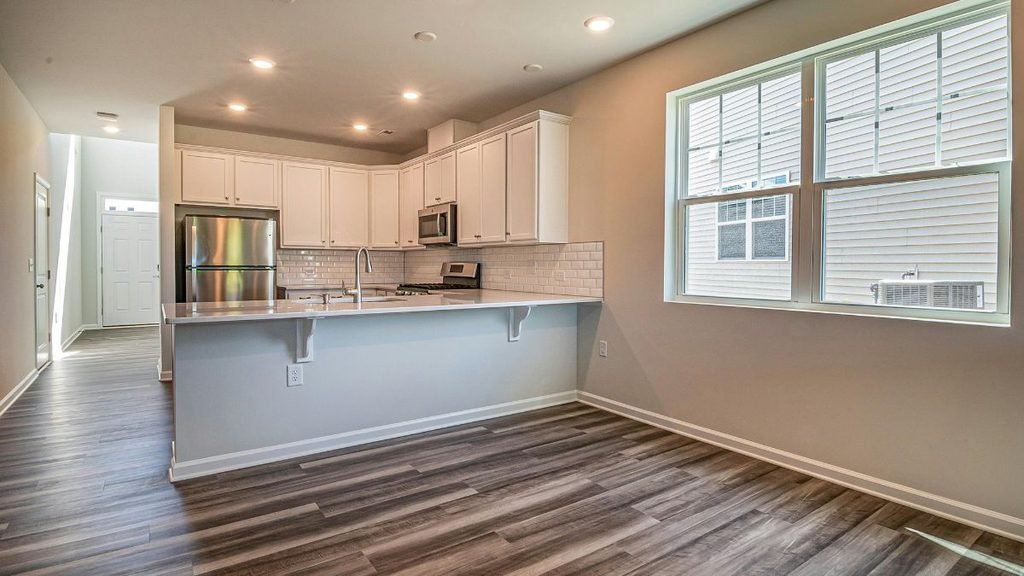
One of the most valuable home upgrades without renovation is better maintenance.
Create a simple schedule for checking:
- Smoke and CO alarms
- Plumbing leaks
- HVAC filters
- Bathroom ventilation
- Windows and doors
- Roof and exterior drainage
- Appliances
- Humidity levels
- Electrical problems
Small problems are generally easier to address before they become major repairs.
Quick Comparison: Which Home Upgrades Should You Do First?
| Upgrade | Approximate effort | Main benefit |
| Replace weatherstripping | Low | Comfort and air sealing |
| Improve lighting | Low | Visibility and comfort |
| Add humidity monitor | Very low | Moisture awareness |
| Fix plumbing leaks | Low–medium | Water conservation |
| Improve bathroom ventilation | Medium | Moisture control |
| Upgrade smoke alarms | Low | Fire safety |
| Add CO alarms | Low | CO safety |
| Improve storage | Low–medium | Organization |
| Upgrade window treatments | Low–medium | Light and comfort |
| Improve accessibility | Medium–high | Safer daily movement |
Costs and installation requirements vary by home, location, and product.
Practical Tips for Choosing the Right Upgrade
You do not need to complete all 30 projects.
Start by walking through your home with a notebook. Look for things that are uncomfortable, unsafe, inefficient, difficult to clean, or simply frustrating.
Then rank each project according to four questions:
- Does it improve safety?
- Does it address moisture or indoor air quality?
- Does it improve everyday comfort?
- Is it affordable and realistic for my home?
Prioritize safety and moisture problems before cosmetic changes.
Common Mistakes to Avoid
Choosing appearance over function
A beautiful upgrade is less useful if it creates a safety or maintenance problem.
Buying products without checking compatibility
This matters especially for filters, light bulbs, dimmers, plumbing parts, and HVAC equipment.
Covering moisture problems
Paint, caulk, and new flooring cannot solve a hidden leak. Find and fix the moisture source first.
Overdoing DIY projects
Some projects are simple. Others involve electrical systems, gas, structural components, or ventilation. Know when to stop and call a professional.
Ignoring product instructions
Installation instructions are not just suggestions. They can affect safety, performance, and warranty coverage.
FAQs
1. What are the best home upgrades without renovation?
Start with improvements that affect safety, comfort, moisture, indoor air quality, or energy use. Good choices include better ventilation, weatherstripping, lighting, smoke and CO alarms, humidity monitoring, and fixing leaks.
2. How can I make my home healthier without remodeling?
Focus on controlling moisture, improving ventilation, keeping the home clean, maintaining HVAC equipment, reducing indoor pollutants, and addressing safety issues.
3. Are small home upgrades worth the money?
They can be. Small upgrades may improve comfort, convenience, safety, maintenance, or energy and water efficiency without the cost and disruption of a full remodel.
The value depends on the specific home and the upgrade.
4. What is the easiest home upgrade to start with?
Start with something simple that solves a problem you notice every day. Replacing a damaged weatherstrip, improving a dark hallway, organizing an entryway, or checking safety alarms can all be good first projects.
5. Can home improvements improve indoor air quality?
Yes. Improvements such as better source control, appropriate ventilation, moisture management, and properly maintained filtration can support better indoor air quality.
However, the right solution depends on the pollutant or source involved.
Conclusion
The best home upgrades without renovation are not always the most expensive ones. Often, they are the changes that solve a problem you experience every day.
A better exhaust fan can help manage bathroom moisture. A properly sealed door can reduce drafts. Better lighting can make a hallway easier to use. A humidity monitor can reveal a problem before you notice visible moisture.
Think beyond appearance. A truly improved home should be comfortable, safe, practical, and supportive of good indoor air quality.
Choose two or three projects that fit your budget and needs, complete them properly, and then move on to the next improvements.