
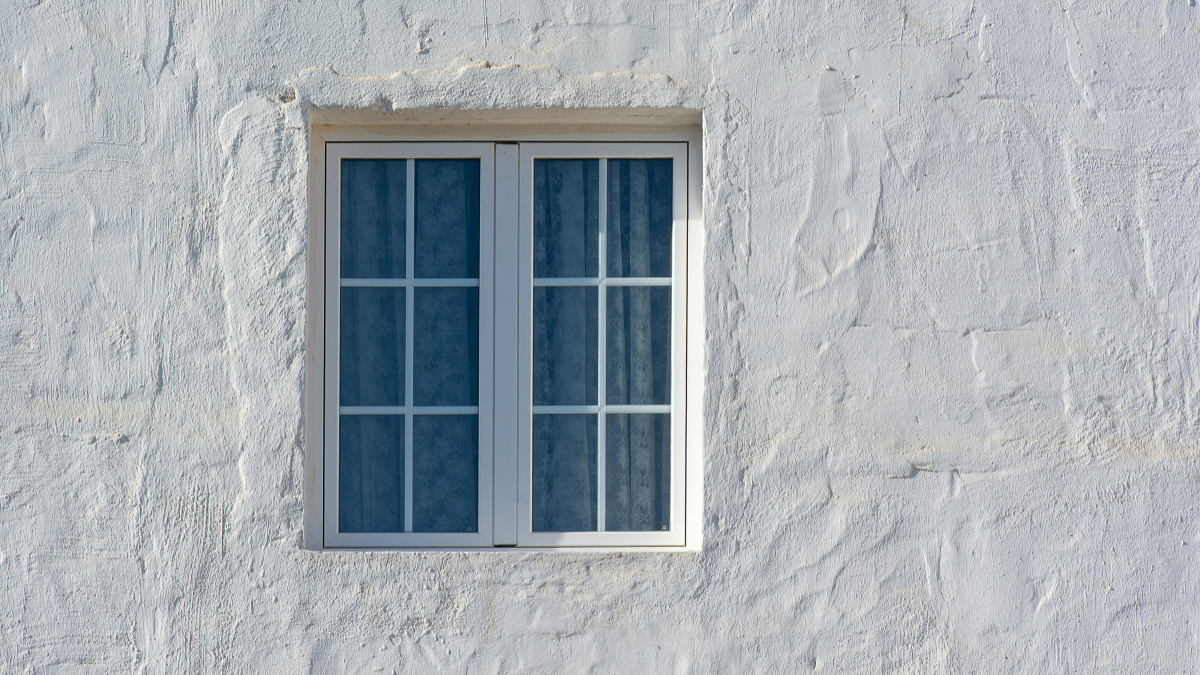
Windows do more than bring natural light into your home. They affect indoor temperature, energy bills, noise levels, and overall comfort. Choosing the best energy efficient windows for hot and cold climates can help keep your home cooler during summer, warmer during winter, and reduce wasted energy throughout the year.
Many homeowners replace windows because they notice drafts, high heating and cooling costs, or rooms that feel too hot or too cold. However, not every energy-efficient window works the same way in every climate.
A window designed for a cold northern climate needs to trap heat inside. A window used in a hot climate needs to block unwanted solar heat. The best choice depends on your local weather, home design, window direction, and insulation needs.
This guide explains how energy-efficient windows work, which features matter most, and how to choose the right option for hot and cold climates.
What Are Energy Efficient Windows?
Energy efficient windows are specially designed windows that reduce heat transfer between the inside and outside of a home. They use advanced glass coatings, insulated spaces, and improved frames to help maintain comfortable indoor temperatures while lowering energy use.
Unlike older single-pane windows, modern energy-efficient windows contain features that slow down heat movement. This means your heating and cooling systems do not need to work as hard.
The most important features include:
- Multiple layers of glass
- Low-emissivity (Low-E) coatings
- Gas-filled spaces between panes
- Insulated window frames
- Proper installation methods
When these features work together, they help prevent energy loss and improve year-round comfort.
How Climate Changes Your Window Choice
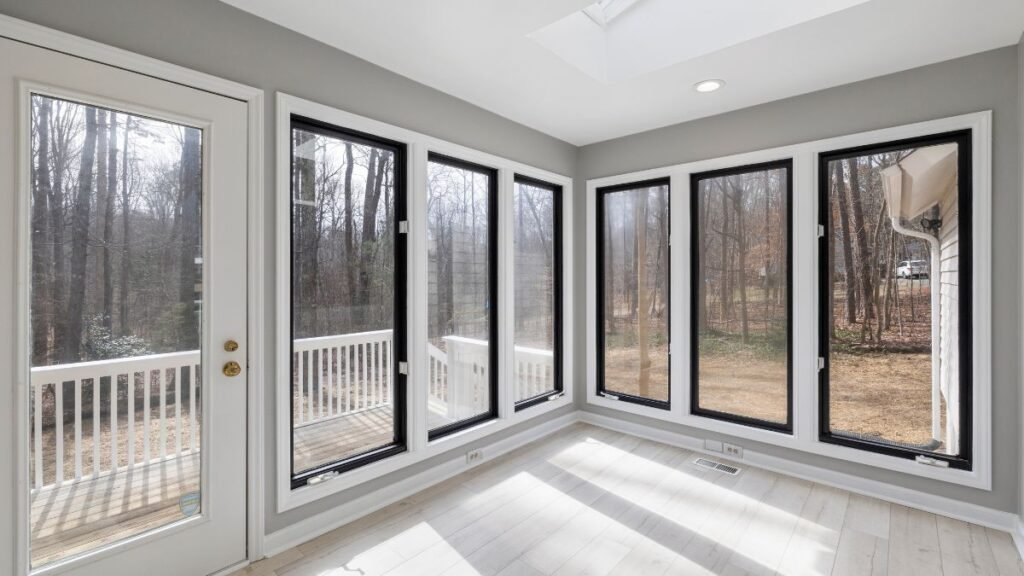
The right window depends heavily on where you live. A window that performs well in a freezing climate may not be the best option for a hot, sunny location.
Windows for Hot Climates
Homes in hot areas need windows that:
- Block excessive sunlight
- Reduce solar heat gain
- Prevent air conditioning from escaping
- Limit UV damage to furniture and flooring
The goal is to keep unwanted heat outside.
Windows for Cold Climates
Homes in cold regions need windows that:
- Keep indoor heat from escaping
- Reduce drafts
- Improve insulation
- Allow useful sunlight to enter
The goal is to keep warmth inside.
Best Energy Efficient Windows for Hot Climates
If you live in a hot climate, your main concern is controlling heat from the sun. The best windows reduce solar gain while still allowing natural light.
1. Low-E Glass Windows
Low-E glass is one of the best choices for warm climates. It has a thin metallic coating that reflects infrared heat while allowing visible light to pass through.
Benefits include:
- Lower cooling costs
- Reduced indoor heat buildup
- Protection against fading furniture
- Better comfort near windows
Different Low-E coatings are designed for different regions, so homeowners should choose a product made for their climate.
2. Double Pane Windows With Gas Fill
Double pane windows contain two glass layers with a sealed space between them. This space is often filled with insulating gases such as argon.
They help by:
- Reducing heat transfer
- Improving insulation
- Lowering air conditioning demand
For many hot climates, double pane Low-E windows provide an excellent balance between performance and cost.
3. Solar Control Windows
Solar control windows are designed specifically to reduce heat from sunlight.
They are useful for:
- Homes with large south- or west-facing windows
- Areas with intense summer sun
- Rooms that become uncomfortable during the afternoon
Best Energy Efficient Windows for Cold Climates
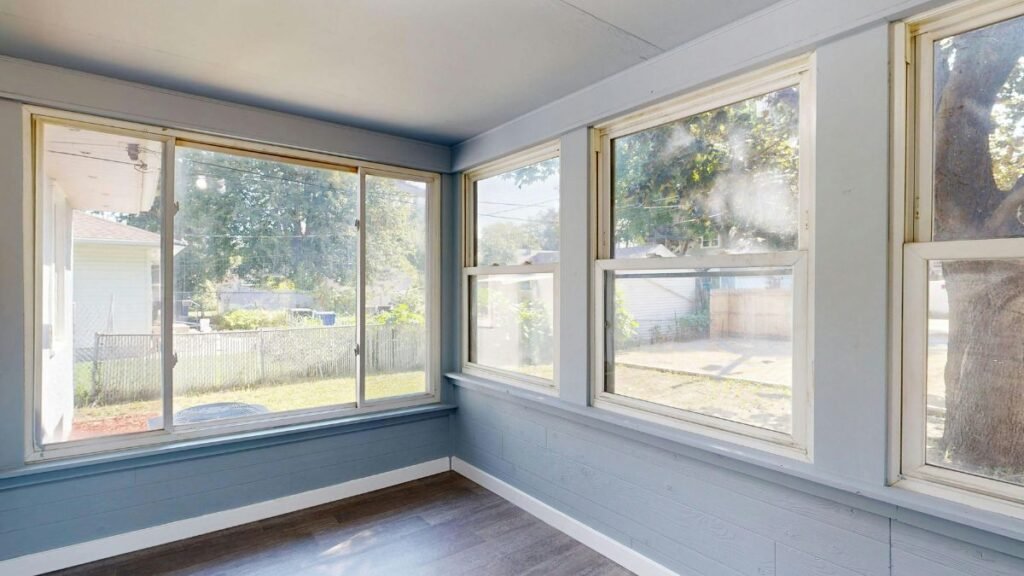
Cold climates require windows that prevent heat loss. The best options focus on insulation and reducing air leakage.
1. Triple Pane Windows
Triple pane windows use three layers of glass with insulating spaces between them.
Advantages include:
- Excellent insulation
- Reduced heat loss
- Better noise control
- Improved comfort near windows
They are especially useful in very cold regions where winter temperatures stay low for long periods.
2. Low-E Windows Designed for Cold Weather
Low-E coatings are not only for hot climates. Certain Low-E coatings help keep heat inside during winter.
Cold-climate Low-E windows can:
- Reflect indoor heat back into rooms
- Reduce heating costs
- Make rooms feel warmer
3. Fiberglass and Vinyl Insulated Frames
The window frame is just as important as the glass.
Good frame materials include:
- Fiberglass
- Quality vinyl
- Wood with proper protection
These materials reduce heat transfer better than older aluminum frames without thermal breaks.
Energy Efficient Window Comparison Table
| Window Type | Best Climate | Main Benefit | Cost Level |
| Double Pane Low-E Windows | Mild to hot climates | Good insulation and affordability | Medium |
| Triple Pane Windows | Very cold climates | Maximum insulation | High |
| Solar Control Windows | Hot sunny areas | Blocks heat from sunlight | Medium to High |
| Fiberglass Frame Windows | Extreme climates | Excellent durability and insulation | High |
| Vinyl Energy Efficient Windows | Most climates | Good value and low maintenance | Low to Medium |
Double Pane vs Triple Pane Windows: Which One Is Better?
One of the biggest decisions homeowners face is choosing between double pane and triple pane windows. Both options improve energy efficiency, but they serve different needs.
Double Pane Windows
Double pane windows have two glass layers separated by an insulating space. They are the most common choice for modern energy-efficient homes.
Benefits of double pane windows:
- Lower upfront cost
- Better insulation than single-pane windows
- Good performance in moderate climates
- Reduced outside noise
- Lower heating and cooling costs
For many homes, high-quality double pane Low-E windows provide excellent performance without the higher price of triple pane options.
Triple Pane Windows
Triple pane windows add another layer of glass and another insulating space.
Benefits of triple pane windows:
- Higher insulation value
- Better performance in extremely cold climates
- Reduced heat loss
- Improved sound reduction
- Increased comfort near windows
However, triple pane windows cost more and may not provide enough extra value in mild or warm climates.
Important Window Ratings to Understand
Buying energy-efficient windows becomes easier when you understand window performance ratings. These ratings help compare different products.
U-Factor
The U-factor measures how well a window prevents heat from escaping.
- Lower numbers mean better insulation.
- Important for cold climates.
Solar Heat Gain Coefficient (SHGC)
SHGC measures how much solar heat enters through the window.
- Lower SHGC helps keep homes cooler.
- Important in hot climates.
- Higher SHGC may be useful in cold climates where sunlight can provide natural warmth.
Visible Transmittance (VT)
Visible transmittance shows how much natural light passes through the glass.
A higher VT rating means more daylight enters the home.
Air Leakage Rating
This measures how much air can pass through the window.
Lower air leakage means:
- Fewer drafts
- Better comfort
- Improved energy savings
Choosing the Best Window Frame Material
The glass is important, but the frame also affects energy performance.
Vinyl Windows
Vinyl windows are popular because they offer good insulation at a reasonable price.
Advantages:
- Affordable
- Low maintenance
- Resistant to moisture
- Good energy performance
They are a strong choice for many homeowners.
Fiberglass Windows
Fiberglass frames are known for strength and durability.
Advantages:
- Excellent insulation
- Resistant to expansion and contraction
- Long lifespan
- Suitable for extreme weather
They often cost more than vinyl but may provide better long-term performance.
Wood Windows
Wood windows provide natural beauty and good insulation.
Advantages:
- Attractive appearance
- Strong insulating ability
- Traditional look
However, they require more maintenance to prevent moisture damage.
Aluminum Windows
Traditional aluminum frames are less energy efficient because metal transfers heat easily.
Modern aluminum windows with thermal breaks perform better, but they may not be the first choice for extreme climates.
Practical Tips to Improve Window Energy Efficiency

Even the best windows will not perform well if they are installed incorrectly. Proper installation is just as important as choosing the right product.
Follow These Energy-Saving Tips:
- Choose windows based on your climate zone
A hot climate needs heat control, while a cold climate needs insulation.
- Check window orientation
South- and west-facing windows often receive more direct sunlight and may need special glass coatings.
- Hire an experienced installer
Poor installation can create air leaks that reduce energy savings.
- Improve insulation around window openings
Small gaps around frames can allow heat and cold air to enter.
- Use window coverings when needed
Shades, curtains, and blinds can provide extra protection from temperature changes.
Common Mistakes When Buying Energy Efficient Windows
Many homeowners focus only on the window price and overlook important performance details.
Mistake 1: Choosing the Same Window for Every Climate
A window that works well in Florida may not be ideal for Minnesota.
Always consider:
- Local weather
- Sun exposure
- Heating and cooling needs
Mistake 2: Ignoring Installation Quality
Even expensive windows can lose efficiency if installed poorly.
Look for installers who understand:
- Weather sealing
- Proper flashing
- Insulation techniques
Mistake 3: Focusing Only on Glass
The frame, seals, and installation all affect performance.
A high-quality glass package with a poor frame may still waste energy.
Mistake 4: Buying Based Only on the Lowest Price
Cheap windows may have:
- Poor insulation
- Weak seals
- Shorter lifespans
A slightly higher investment may lead to better savings over time.
How Much Can Energy Efficient Windows Save?
Energy savings depend on many factors, including:
- Climate
- Window size
- Existing window condition
- Home insulation
- Heating and cooling habits
Replacing old, drafty windows can improve comfort and may reduce energy use. However, homeowners should look at the entire home system, including insulation, air sealing, and HVAC efficiency, when planning energy upgrades.
Frequently Asked Questions (FAQ)
1. What are the best energy efficient windows for hot climates?
The best windows for hot climates usually include Low-E glass, low solar heat gain ratings, and insulated frames. These features help block unwanted heat and reduce cooling costs.
2. Are triple pane windows worth the money?
Triple pane windows are most beneficial in very cold climates where heating costs are high. In moderate climates, quality double pane windows may provide enough performance.
3. Do energy efficient windows reduce energy bills?
Yes, energy-efficient windows can reduce heat transfer, which may lower the workload on heating and cooling systems. Actual savings depend on your home and climate.
4. How long do energy efficient windows last?
Many quality energy-efficient windows can last 20 years or more with proper installation and maintenance. Lifespan depends on materials, weather exposure, and product quality.
5. Are Low-E windows good for both hot and cold climates?
Yes. Different Low-E coatings are designed for different climates. Some block heat from entering, while others help keep indoor heat inside.
6. Should I replace all windows at once?
Replacing all windows together can provide consistent performance, but some homeowners choose to replace the most damaged or inefficient windows first.
7. Can new windows improve home comfort?
Yes. Energy-efficient windows can reduce drafts, temperature differences, and hot or cold spots near windows.