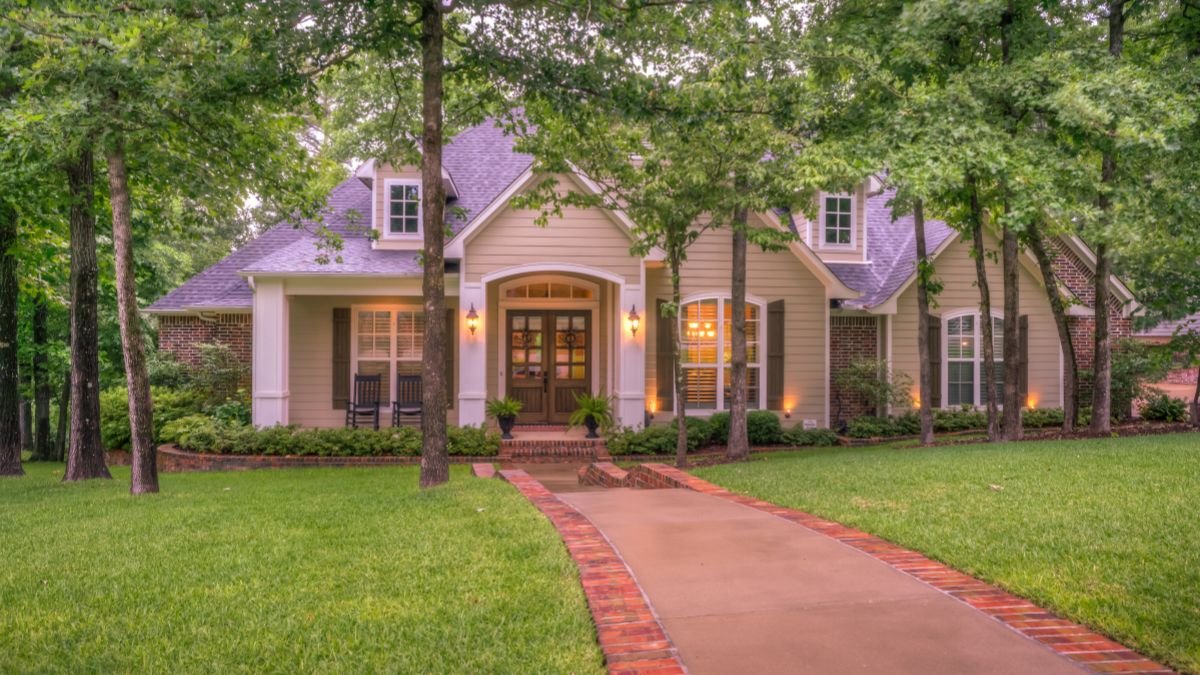
Selling your home is about more than putting a “For Sale” sign in the yard. Buyers today compare dozens of homes online before deciding which ones to visit. If your property looks clean, updated, and well cared for, it has a much better chance of attracting strong offers.
The good news is that you don’t need a complete renovation to impress buyers. In many cases, simple improvements can increase your home’s value and help it sell faster. Fresh paint, better lighting, small repairs, and improved curb appeal often provide a better return than expensive remodeling projects.
If you’re wondering how to increase home value before selling, this guide will walk you through the smartest upgrades that offer the best return on investment (ROI). You’ll also learn which improvements are worth your money and which projects you should avoid before listing your home.
Whether you’re planning to sell in a few weeks or several months from now, these expert tips can help you make informed decisions and maximize your home’s market value.
What Does “Increasing Home Value Before Selling” Mean?
Increasing your home’s value before selling means making smart improvements that make the property more attractive, functional, and move-in ready. These upgrades help create a positive first impression, attract more buyers, and may increase your final selling price. The goal is not to spend the most money—it’s to invest in improvements that buyers truly value.
Why Increasing Home Value Before Selling Matters
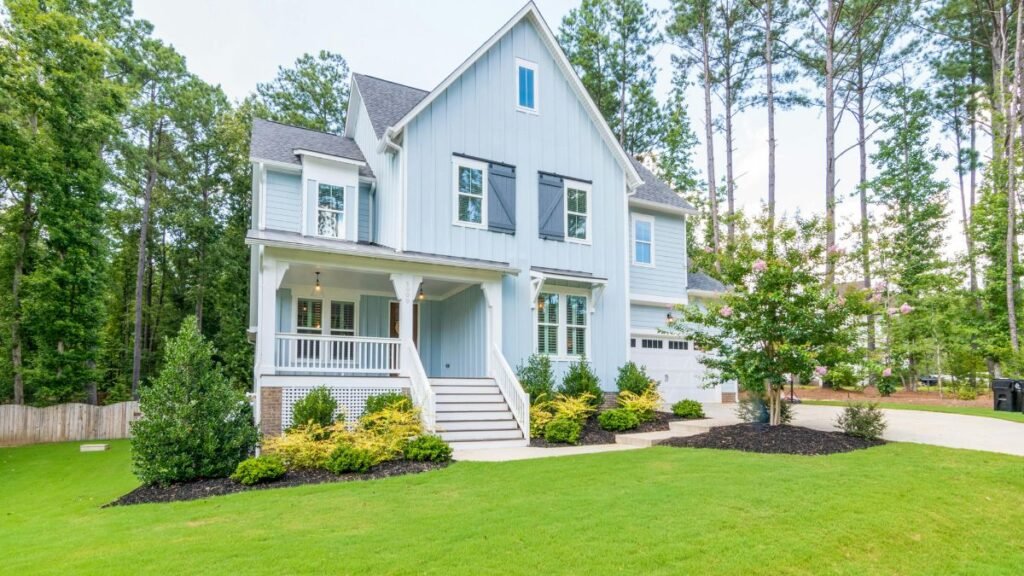
Many homeowners believe that major renovations are the only way to increase a home’s value. In reality, buyers often care more about cleanliness, maintenance, and overall condition than luxury upgrades.
Imagine two similar homes in the same neighborhood. One has peeling paint, outdated lighting, overgrown landscaping, and several small repairs that haven’t been fixed. The other has fresh paint, a tidy lawn, modern light fixtures, and a spotless interior.
Even if both homes have the same floor plan, most buyers will naturally prefer the second one. It feels well maintained and move-in ready. That positive first impression often leads to stronger offers and fewer negotiations.
Higher Value Doesn’t Always Mean Higher Costs
One of the biggest mistakes homeowners make is assuming they need to spend tens of thousands of dollars before selling.
Instead, focus on improvements that provide a strong return on investment, such as:
- Fresh interior paint
- Professional cleaning
- Landscaping
- Updated lighting
- Minor kitchen improvements
- Bathroom refreshes
- Small repairs
These projects are relatively affordable but can significantly improve your home’s appeal.
Benefits of Increasing Home Value Before Selling
Making thoughtful improvements can help you:
- Attract more qualified buyers
- Increase online interest
- Receive stronger offers
- Reduce negotiation over repairs
- Sell your home faster
- Build buyer confidence
- Improve appraisal results
- Stand out in a competitive market
Rather than viewing these updates as expenses, think of them as investments that can improve your chances of a successful sale.
Start With a Complete Home Assessment
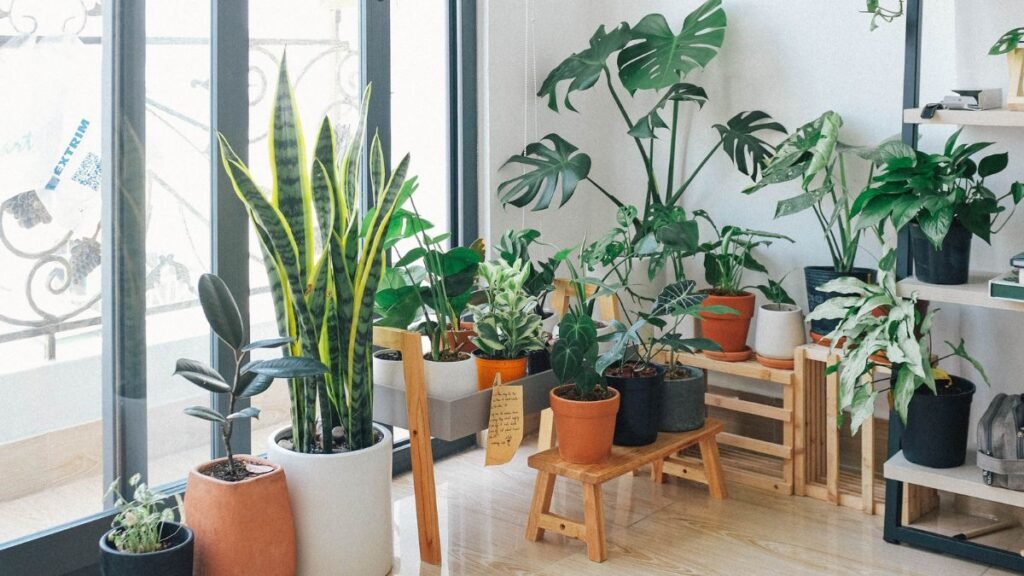
Before buying paint or replacing fixtures, take time to evaluate your home honestly. Walk through your property as if you’re seeing it for the first time.
Better yet, ask a friend or family member to tour your home and share their honest opinion. Fresh eyes often notice things you’ve stopped seeing after living there for years.
Inspect Every Room
Look carefully at each room and ask yourself:
- Does this room feel bright and welcoming?
- Is anything broken?
- Does it smell fresh?
- Are there stains or damage?
- Is there too much furniture?
- Does it look clean?
Write everything down. Even small problems should go on your checklist.
Don’t Forget the Outside
The exterior deserves just as much attention as the inside.
Check your:
- Roof
- Gutters
- Driveway
- Walkways
- Garage door
- Fence
- Lawn
- Trees
- Shrubs
- Outdoor lighting
A neglected exterior may cause buyers to worry about hidden maintenance problems inside the home.
Consider a Pre-Listing Home Inspection
Some homeowners choose to hire a professional home inspector before listing their property.
Although it isn’t required, a pre-listing inspection offers several advantages:
- Identifies hidden problems early
- Gives you time to make repairs
- Reduces surprises during negotiations
- Helps buyers feel more confident
- Can make transactions smoother
If major issues are discovered, you can decide whether to repair them or adjust your asking price accordingly.
Prioritize Repairs Based on ROI
Not every improvement deserves the same budget.
A good rule is to divide projects into three categories:
| Priority | Examples | Why It Matters |
| High | Roof leaks, plumbing issues, electrical repairs | Buyers expect these to work properly. |
| Medium | Paint, lighting, flooring, landscaping | Improves appearance and buyer confidence. |
| Low | Luxury upgrades, expensive additions | May not recover their full cost before selling. |
This simple strategy helps you spend your money wisely instead of making emotional decisions.
Create a Budget
After completing your assessment, estimate the cost of each project.
Separate your list into:
- Must-do repairs
- Recommended updates
- Optional improvements
If your budget is limited, complete the high-impact projects first. Buyers usually notice cleanliness, maintenance, and presentation long before they notice expensive finishes.
Fix Repairs Before Buyers Notice Them
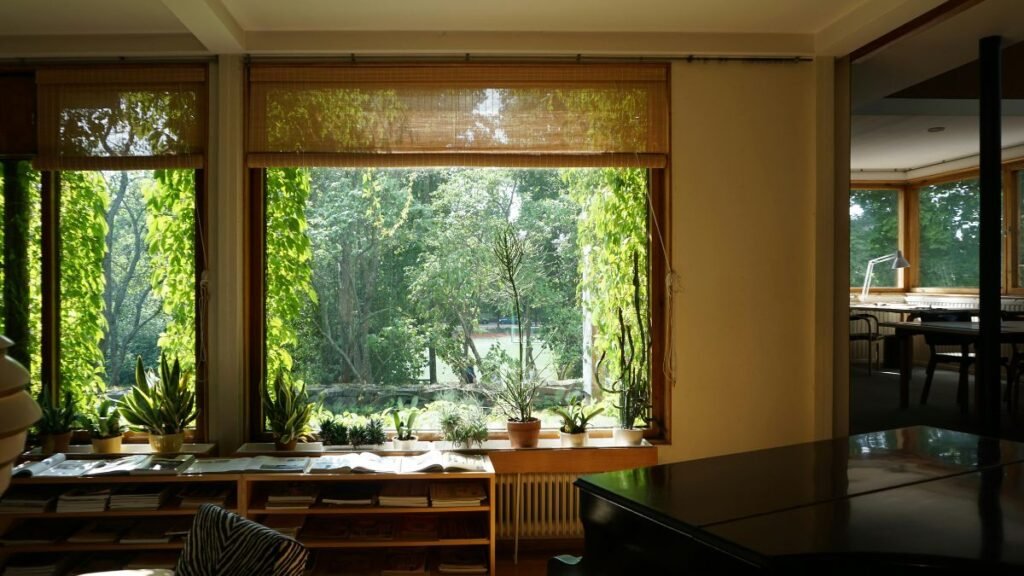
One loose cabinet handle may not seem important. Neither does a dripping faucet or a squeaky door. However, buyers often see these small problems as signs that the home hasn’t been properly maintained.
When several minor issues appear throughout the property, buyers may begin wondering what larger problems they can’t see.
Repair the Small Things First
Walk through your home with a notebook and check for common maintenance issues.
Repair items such as:
- Leaky faucets
- Running toilets
- Cracked caulk around sinks and tubs
- Broken cabinet handles
- Loose door knobs
- Sticky windows
- Torn window screens
- Chipped paint
- Damaged drywall
- Broken light switches
- Loose stair railings
- Squeaky doors
Most of these repairs cost very little but make your home feel much better cared for.
Pay Attention to Water Damage
Water damage is one of the biggest concerns for buyers.
Look carefully for:
- Ceiling stains
- Soft flooring
- Mold or mildew
- Plumbing leaks
- Damp basements
- Roof leaks
Address these problems before listing your home whenever possible. Water issues can delay a sale and reduce buyer confidence.
Test Everything
Buyers often test features during showings.
Make sure these items work properly:
- Doorbells
- Garage doors
- Ceiling fans
- Smoke detectors
- Faucets
- Toilets
- Windows
- Locks
- HVAC system
- Kitchen appliances
A fully functional home creates a positive impression and reduces objections during negotiations.
Don’t Ignore Safety Issues
Safety concerns should always come first.
Fix problems like:
- Loose steps
- Broken handrails
- Exposed wiring
- Missing smoke detectors
- Faulty electrical outlets
- Damaged flooring that creates trip hazards
These repairs not only protect visitors but also show buyers that the home has been responsibly maintained.
Pro Tip
Keep receipts and records for repairs you’ve completed. Buyers appreciate knowing that maintenance has been done professionally, and these records can help build trust during the selling process.
Improve Curb Appeal: Create a Great First Impression
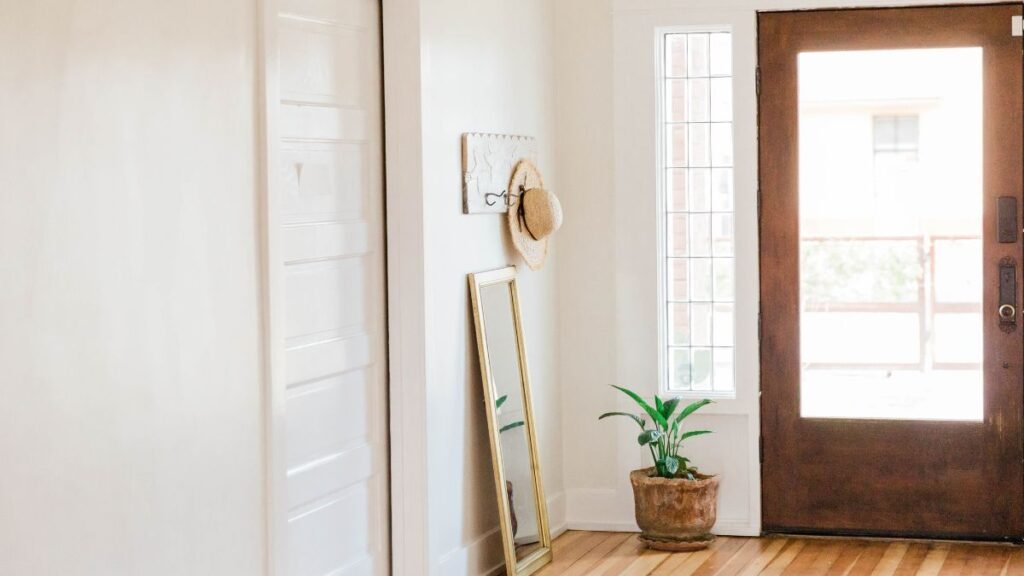
Curb appeal is one of the most important factors when selling a home. It refers to how attractive your property looks from the street. Buyers often decide how they feel about a home before they even walk through the front door.
Today, many buyers first see your home in online listings. If the exterior looks neglected, they may skip your property without scheduling a showing. A clean and inviting exterior, however, encourages more clicks, more visits, and often more offers.
The best part is that improving curb appeal doesn’t have to be expensive. A weekend of cleaning and a few affordable upgrades can make a noticeable difference.
Start with the Front Yard
Your lawn is one of the first things buyers notice.
- Mow the grass regularly.
- Trim overgrown shrubs and hedges.
- Remove weeds from flower beds.
- Edge sidewalks and driveways.
- Add fresh mulch around trees and plants.
- Plant seasonal flowers for a pop of color.
A neat yard tells buyers that the home has been well cared for over the years.
Make the Front Door Stand Out
The front door acts as the focal point of your home’s exterior.
Consider these simple updates:
- Paint the door in a modern color such as black, navy blue, or deep green.
- Replace worn-out hardware.
- Install a stylish welcome mat.
- Add matching planters on both sides of the entrance.
- Polish or replace the house numbers.
- Install a modern mailbox if the old one looks outdated.
These small changes create a warm and welcoming entrance.
Clean the Exterior
Dirt builds up slowly, making homeowners less likely to notice it.
Before listing your property:
- Pressure wash siding.
- Clean brick and stone surfaces.
- Wash windows inside and out.
- Clean gutters.
- Sweep porches and patios.
- Remove cobwebs from corners.
A sparkling exterior instantly makes the property look newer.
Upgrade Outdoor Lighting
Good lighting improves both beauty and safety.
Replace old fixtures with modern designs that match your home’s style. If possible, use LED bulbs because they are bright, energy-efficient, and long-lasting.
Lighting pathways and the front entrance also makes evening showings more appealing.
Don’t Forget the Backyard
Many buyers view the backyard as additional living space.
Simple improvements include:
- Clean the patio or deck.
- Arrange outdoor furniture neatly.
- Add potted plants.
- Repair broken fences.
- Store garden tools out of sight.
- Remove children’s toys before showings.
Even a small backyard can feel inviting when it’s clean and organized.
Pro Tip
Take a photo of your home from across the street. Looking at a picture often helps you notice areas that need attention more easily than seeing them in person.
Refresh Your Interior with Paint and Lighting
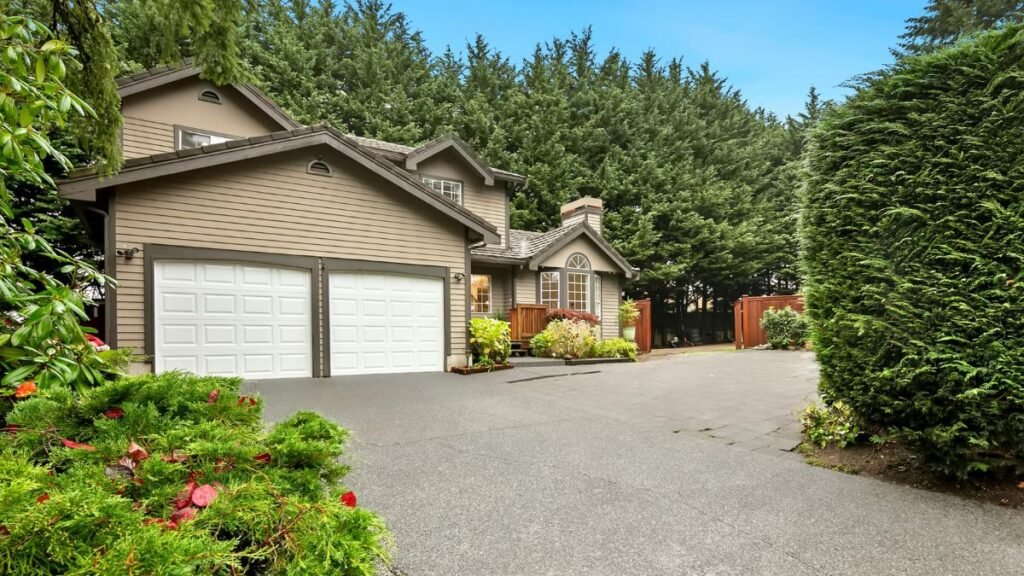
Once buyers step inside, they want a home that feels bright, fresh, and move-in ready.
Fortunately, paint and lighting are two of the most affordable upgrades you can make before selling.
Why Fresh Paint Matters
Paint has a huge impact on how buyers perceive a home.
Fresh walls make rooms feel:
- Cleaner
- Larger
- Brighter
- Better maintained
Even older homes can look updated with a fresh coat of neutral paint.
Choose Neutral Colors
Neutral colors appeal to the widest range of buyers.
Popular choices include:
- White
- Warm beige
- Soft gray
- Light greige
- Cream
These shades reflect light and help buyers imagine decorating the space with their own furniture.
Avoid bold colors like bright red, purple, dark green, or black unless they fit a very specific design style.
Repair Walls Before Painting
Before opening a paint can:
- Fill nail holes.
- Repair dents.
- Patch cracks.
- Sand rough spots.
- Remove peeling paint.
Smooth walls create a professional finish.
Improve Lighting Throughout the Home
A dark home often feels smaller and less welcoming.
Increase brightness by:
- Opening blinds and curtains.
- Cleaning windows thoroughly.
- Replacing burned-out bulbs.
- Installing daylight LED bulbs.
- Adding lamps in darker corners.
- Updating outdated light fixtures.
Modern lighting makes even older homes feel more current.
Replace Outdated Fixtures
Replacing an old dining room light or bathroom vanity fixture is usually inexpensive.
Choose simple, timeless styles that match the rest of the home.
Buyers appreciate consistency throughout the property.
Let Natural Light Shine
Natural light remains one of the most desired features in real estate.
Before every showing:
- Open all curtains.
- Raise blinds.
- Turn on lights in darker rooms.
- Remove heavy window coverings if they block sunlight.
Bright spaces often appear larger and more inviting.
Upgrade Your Kitchen Without Spending a Fortune
The kitchen is often called the heart of the home because buyers spend a lot of time evaluating it.
Fortunately, you don’t need a complete remodel to increase its appeal.
Many affordable updates provide an excellent return on investment.
Paint Instead of Replacing Cabinets
New cabinets can cost thousands of dollars.
Instead:
- Paint existing cabinets.
- Replace worn handles and knobs.
- Add soft-close hinges if possible.
- Repair damaged doors.
Freshly painted cabinets can completely transform the room.
Replace Old Hardware
Cabinet hardware is like jewelry for your kitchen.
Choose modern finishes such as:
- Matte black
- Brushed nickel
- Satin brass
Matching hardware creates a clean, updated appearance.
Upgrade the Faucet
A stylish faucet is affordable but noticeable.
Look for models with:
- Pull-down sprayers
- Water-saving features
- Modern finishes
- Easy-to-clean designs
This simple upgrade can make the sink area look much newer.
Install a New Backsplash
A backsplash protects the wall while adding style.
Popular choices include:
- White subway tile
- Marble-look tile
- Simple geometric patterns
Avoid trendy colors that may quickly go out of style.
Keep Countertops Clear
Less is more.
Remove:
- Small appliances
Cabinets and Pantry
Many buyers open cabinets during showings.
Neatly arranged storage makes the kitchen feel larger and more functional.
Make Bathrooms Feel Fresh and Modern
Bathrooms don’t need luxury finishes to impress buyers.
They simply need to feel clean, bright, and well maintained.
Replace Worn Fixtures
Update:
- Faucets
- Shower heads
- Towel bars
- Toilet paper holders
- Vanity lights
Choose matching finishes for a polished appearance.
Re-Caulk the Tub and Shower
Old caulk often becomes stained or cracked.
Fresh white caulk immediately makes bathrooms look cleaner.
It’s one of the easiest and least expensive upgrades you can make.
Replace Old Mirrors
A modern framed mirror can instantly improve the entire room.
Large mirrors also reflect more light, making smaller bathrooms appear bigger.
Add Hotel-Style Touches
Simple staging ideas include:
- White towels
- New bath mat
- Small plant
- Decorative soap dispenser
- Lightly scented candle (unlit)
These details help buyers picture themselves enjoying the space.
Improve Storage
Keep bathroom counters nearly empty.
Store personal care products out of sight and organize cabinets neatly.
A clutter-free bathroom feels much larger.
Make Your Home More Energy Efficient
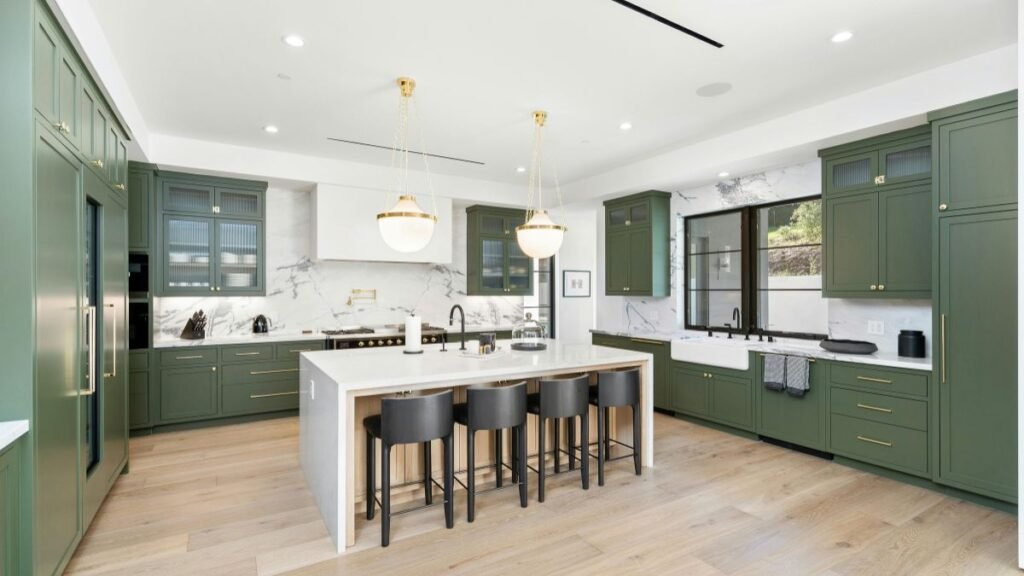
Energy efficiency has become a bigger selling point each year.
Many buyers appreciate homes that help reduce monthly utility bills while providing greater comfort.
Even small improvements can make your property more attractive.
Install LED Lighting
LED bulbs use less electricity and last much longer than traditional bulbs.
Replace every bulb in your home before listing.
This inexpensive upgrade makes rooms brighter while signaling lower maintenance for future owners.
Add a Smart Thermostat
A smart thermostat is one of the easiest modern upgrades.
It allows homeowners to:
- Adjust temperatures remotely.
- Save energy automatically.
- Create heating and cooling schedules.
Many buyers see this as a valuable feature.
Seal Drafts
Cold or warm air escaping around doors and windows increases energy costs.
Inspect your home for:
- Air leaks
- Worn weather stripping
- Gaps around windows
- Cracks near doors
Sealing these areas improves comfort and efficiency.
Check Insulation
If your attic insulation is outdated, consider adding more.
Proper insulation helps maintain indoor temperatures throughout the year and may reduce heating and cooling costs.
Service Your HVAC System
Before listing:
- Replace air filters.
- Clean vents.
- Schedule routine maintenance.
- Ensure the system operates quietly.
A well-maintained HVAC system gives buyers confidence that they won’t face immediate repair costs.
Energy-Efficient Features Buyers Appreciate
- Programmable thermostat
- LED lighting
- Energy-efficient appliances
- Ceiling fans
- Double-pane windows
- Water-saving faucets
- Low-flow shower heads
These features may not dramatically increase your home’s appraised value, but they often make it more attractive compared to similar listings.
Quick Comparison: Budget-Friendly Upgrades vs. Major Renovations
| Upgrade | Average Cost | Buyer Appeal | Potential ROI |
| Interior painting | Low | Very High | Excellent |
| Landscaping | Low | High | Excellent |
| New cabinet hardware | Low | High | Very Good |
| LED lighting | Low | High | Very Good |
| Deep cleaning | Low | Very High | Excellent |
| Kitchen remodel | High | High | Moderate to High |
| Bathroom remodel | High | High | Moderate to High |
| Room addition | Very High | Moderate | Varies |
The goal isn’t to spend the most money—it’s to spend wisely on updates that buyers notice and value.
Stage Your Home Like a Professional
Home staging is one of the most effective ways to increase your home’s appeal before selling. It helps buyers imagine themselves living in the space and creates an emotional connection.
A staged home does not need expensive furniture or designer decorations. The main goal is to make each room feel clean, comfortable, spacious, and functional.
Many buyers judge a property based on online photos before they ever schedule a visit. A well-staged home can create stronger first impressions and encourage more showings.
Declutter Every Room
Clutter makes rooms appear smaller than they actually are.
Before listing your home, remove unnecessary items from:
- Kitchen counters
- Closets
- Bookshelves
- Bedrooms
- Garage
- Basement
- Storage areas
Pack away items you do not use regularly. This also makes your upcoming move easier.
A buyer should be able to focus on the home’s features, not your belongings.
Remove Personal Items
Buyers need to picture the home as their own.
Consider removing:
- Family photographs
- Personal collections
- Religious or political decorations
- Excess artwork
- Large personal displays
A neutral environment helps more buyers connect emotionally with the property.
Arrange Furniture Properly
Furniture placement can change how buyers experience a room.
Helpful staging techniques include:
- Remove oversized furniture.
- Create clear walking paths.
- Move furniture away from walls when possible.
- Use matching pieces when available.
- Make rooms feel open and balanced.
A smaller amount of furniture often makes a home feel larger.
Create a Welcoming Atmosphere
Small details can make a big difference.
Consider adding:
- Fresh flowers
- Clean towels
- Neutral bedding
- Decorative pillows
- Plants
- Pleasant natural scents
Avoid strong air fresheners because some buyers may be sensitive to artificial smells.
Home Improvements With the Best Return on Investment
Not every home improvement project increases value equally. Some upgrades are attractive but may not recover their cost when you sell.
The smartest approach is choosing improvements that buyers notice and that improve the overall condition of the home.
1. Interior Painting
Painting remains one of the best investments before selling.
Why it works:
- Makes rooms look newer
- Covers marks and stains
- Creates a clean appearance
- Helps buyers imagine moving in
Neutral colors usually provide the widest appeal.
2. Landscaping Improvements
A well-maintained yard can increase buyer interest before they enter the home.
High-impact landscaping projects include:
- Fresh mulch
- Trimmed plants
- New flowers
- Clean pathways
- Healthy grass
Simple outdoor improvements often provide excellent value for the money.
3. Kitchen Updates
A complete kitchen remodel can be expensive. However, smaller updates often provide a better return.
Consider:
- Painting cabinets
- Replacing hardware
- Updating lighting
- Installing a modern faucet
- Improving organization
A fresh-looking kitchen can strongly influence buyer decisions.
4. Bathroom Improvements
Bathrooms should feel clean and functional.
Good updates include:
- New fixtures
- Fresh caulk
- Updated mirrors
- Better lighting
- Modern accessories
Cleanliness is often more important than luxury.
5. Flooring Improvements
Damaged or outdated flooring can reduce buyer interest.
Options include:
- Refinishing hardwood
- Replacing worn carpet
- Installing durable flooring materials
- Repairing damaged areas
Choose practical styles that appeal to many buyers.
6. Energy-Efficient Improvements
Energy-saving features are increasingly attractive.
Examples include:
- LED lighting
- Smart thermostats
- Efficient appliances
- Improved insulation
- Water-saving fixtures
These upgrades can improve comfort and reduce future costs.
Common Mistakes That Can Lower Home Value
While improving your home can increase its value, the wrong decisions can waste money or even make selling harder.
Spending Too Much on Luxury Renovations
A common mistake is making expensive upgrades that do not match the neighborhood.
For example, a luxury kitchen may look beautiful, but buyers may not pay enough extra to recover the full cost.
Always consider your local market before starting major projects.
Choosing Personal Design Styles
Your personal taste may not match buyer preferences.
Avoid:
- Unusual paint colors
- Very unique flooring
- Highly customized rooms
- Extreme design choices
Neutral and timeless designs usually appeal to more people.
Ignoring Basic Maintenance
A beautiful home with repair problems can still lose value.
Do not ignore:
- Leaks
- Electrical issues
- Broken appliances
- Damaged flooring
- Plumbing problems
Buyers often use these issues during negotiations.
Overlooking Cleaning
A dirty home creates the impression that it has not been maintained.
Before listing:
- Clean windows
- Wash floors
- Remove odors
- Clean appliances
- Organize storage areas
Professional cleaning can be a worthwhile investment.
Listing Before Your Home Is Ready
Some sellers rush to market.
A few extra weeks spent improving your home may lead to better offers and fewer problems during the sale process.
Final Home Selling Checklist Before Listing
Use this checklist to prepare your property:
Exterior Checklist
☐ Mow and maintain the lawn
☐ Trim plants and bushes
☐ Clean gutters
☐ Wash windows
☐ Pressure wash outdoor areas
☐ Paint or clean the front door
☐ Improve outdoor lighting
Interior Checklist
☐ Repair visible damage
☐ Paint outdated walls
☐ Deep clean every room
☐ Remove clutter
☐ Organize closets
☐ Replace broken fixtures
☐ Improve lighting
Kitchen Checklist
☐ Clear countertops
☐ Clean appliances
☐ Update cabinet hardware
☐ Organize cabinets
☐ Repair small problems
Bathroom Checklist
☐ Replace damaged caulk
☐ Clean grout
☐ Update accessories
☐ Remove personal products
☐ Improve ventilation
Before Showing Your Home
☐ Open curtains
☐ Turn on lights
☐ Remove unpleasant smells
☐ Keep pets away if possible
☐ Maintain a comfortable temperature
Frequently Asked Questions (FAQs)
1. What is the easiest way to increase home value before selling?
The easiest improvements are usually fresh paint, deep cleaning, landscaping, better lighting, and fixing small repairs. These projects improve appearance without requiring a large budget.
2. Should I remodel my kitchen before selling?
A complete kitchen remodel is not always necessary. Small updates like painting cabinets, replacing hardware, and improving lighting often provide a better return.
3. How much should I spend improving my home before selling?
The right amount depends on your home’s condition, neighborhood, and budget. Focus on repairs and affordable upgrades that improve buyer appeal instead of expensive personal upgrades.
4. Does curb appeal really affect home value?
Yes. The exterior creates the first impression. A clean yard, attractive entrance, and maintained exterior can make buyers more interested in viewing your home.
5. Is professional home staging worth the cost?
Professional staging can be helpful, especially in competitive markets. However, many homeowners can achieve similar results through decluttering, cleaning, and rearranging furniture.
6. What improvements should I avoid before selling?
Avoid expensive renovations that are unlikely to increase your sale price, such as highly customized rooms or luxury upgrades that do not match your neighborhood.
7. How can I make my home look expensive without spending a lot?
Focus on:
- Clean spaces
- Neutral colors
- Good lighting
- Organized rooms
- Updated fixtures
- Fresh landscaping
Small details often create a premium feeling.
Conclusion
Learning how to increase home value before selling is about making smart decisions, not spending the most money. The best improvements are usually the ones that make your home cleaner, brighter, more comfortable, and easier for buyers to imagine as their future home.
Start with repairs, improve curb appeal, refresh important rooms, and create a welcoming environment through staging. These steps can help your property stand out, attract more buyers, and potentially increase your final selling price.
Remember, buyers are not only purchasing walls and rooms. They are buying the feeling they get when they walk through the door. A well-prepared home creates confidence and makes a lasting impression.