Windows do much more than bring sunlight into your home. They help control indoor temperature, block outside noise, keep moisture out, and protect your living space. When something goes wrong, however, even a small window issue can become frustrating.
The good news is that many common window problems have simple causes and practical solutions. A loose screen, worn weatherstripping, dirty track, or small gap may be easy to handle yourself. Other problems, such as cracked glass or rotting frames, may need professional repair.
This guide walks through 20 common window problems step by step. For each one, you will learn what causes it, what you can do about it, and when it is better to call a professional.
Table of Contents
- Cold Air Coming Through Windows
- Condensation on the Inside of Windows
- Foggy Windows Between Glass Panes
- Windows Not Opening or Closing Properly
- Windows Stuck Shut
- Broken Window Seals
- Water Leaking Around Windows
- Drafty Old Windows
- Cracked Window Glass
- Rotting Wooden Window Frames
- Mold Around Window Frames
- Windows Letting in Too Much Outside Noise
- Windows That Are Difficult to Lock
- Damaged or Torn Window Screens
- Windows Letting in Too Much Heat
- High Energy Bills Caused by Old Windows
- Double-Pane Window Problems
- Gaps Around Window Frames
- Air Leaks Around Window Trim
- Double-Hung Windows That Are Hard to Open
1. Cold Air Coming Through Windows
Cold air entering around a window is one of the most noticeable common window problems, especially during winter. You may feel a cold stream when sitting near the glass or notice that one room is colder than others.
Why It Happens
Common causes include worn weatherstripping, gaps around the frame, damaged seals, or poorly fitted windows.
How to Fix It
- Close the window and inspect the edges.
- Look for visible gaps or damaged weatherstripping.
- Replace worn weatherstripping.
- Seal small stationary gaps with suitable caulk.
- Check whether the window closes tightly.
If the frame is badly damaged or the window is very old, repair may not solve the problem for long.
2. Condensation on the Inside of Windows
A little moisture on a window can be normal when warm indoor air meets cold glass. However, frequent or heavy condensation may indicate high indoor humidity or poor ventilation.
How to Fix It
- Use bathroom and kitchen exhaust fans.
- Improve airflow around windows.
- Use a dehumidifier when indoor humidity is high.
- Dry excess moisture from the sill.
- Keep curtains or blinds slightly open to improve air circulation.
If condensation remains between the panes, the problem is different and may involve the window seal.
3. Foggy Windows Between Glass Panes
Fog or moisture trapped between double-pane glass usually means the confirm that the moisture is actually between the panes the frame is swollen because of moisture, fix the moisture problem first. Otherwise, insulating seal has failed. This prevents the sealed space from working as designed.
What You Can Do
First, confirm that the moisture is actually between the panes rather than on the room side or outside surface.
A failed sealed glass unit often needs replacement. In many cases, replacing the glass unit is more practical than replacing the entire window frame.
4. Windows Not Opening or Closing Properly
A window that suddenly becomes difficult to operate may have dirt in the track, damaged hardware, misalignment, or swelling around the frame.
Step-by-Step Fix
- Clean the tracks thoroughly.
- Remove dirt and debris.
- Check screws and visible hardware.
- Apply a suitable window lubricant where recommended.
- Operate the window gently several times.
- Look for signs of frame movement or damage.
Never force a window that feels firmly stuck. Excessive force can damage the glass or operating hardware.
5. Windows Stuck Shut
Paint buildup, rust, dirt, moisture, or swollen wooden frames can cause a window to stick.
For painted wooden windows, carefully separating painted surfaces may help. Avoid using excessive force or sharp tools near the glass.
If the frame is swollen because of moisture, fix the moisture problem first. Otherwise, the window may stick again.
6. Broken Window Seals
Window seals help protect the insulating space between panes. When a seal fails, you may notice fogging, moisture, windows may develop drafts because of worn seals, loose joints, thin glass, or outdated construction. and safety concern. Temperature changes, impact, frame movement, or stress can cause cracks enters the frame. Soft spots, peeling paint, discolor window often points to excess moisture. Condensation, leaks, poor ventilation, and damp materials can all small surface areas using appropriate householdstripping and sealing gaps can reduce some noise. For stronger sound control, homeowners may consider laminated glass, upgraded glazing, or properly the lock and strike area for loose screws or visible damage. Clean the hardware and make contribute to unwanted heat transfer. However, windows are only one part of a home’s energy performance two layers of glass separated by a sealed space. They can develop problems such as fogging, seal both the inside and outside where accessible. Small, stable gaps may be sealed with suitable materials. Larger gaps may indicate installation or structural main problem. Air can move through gaps behind the interior trim or appropriate small gaps with compatible caulk. For larger openings, the trim may need, balances, and other hardware. Dirt, paint, warped frames rotten material does not restore its strength. Find the moisture source and assess or glass. Find out why the window is stuck before applying pressure issues include drafts, condensation, foggy double-pane glass, difficult operation, broken seals, water leaks, cracked glass, damaged screens, and gaps seals, damaged frames, difficult operation, recurring leaks, and poor overall performance can indicate that replacement should insulated glass unit can be replaced without replacing the entire window frame. A window professional can determine problems, cracks, or water entering from another part intrusion, extensive wood rot, damaged structural components, difficult-to it easier to protect your home and avoid unnecessary repair costs. A cold draft, stuck sash, damaged screen, or small gap may have a simple solution. On the other hand, cracked glass, serious leaks, mold, and ro identify the cause before choosing a fix. Start with simple maintenance, check for moisture and air leaks, and avoid forcing damaged windows. When a problem involves inspection and timely repairs, your windows can continue to provide comfort, daylight, ventilation, condensation, leaks, or another window issue in your home? Start with the problem that is affecting your home today, identify its likely cause, and take or reduced insulating performance.
How to Fix It
Inspect the glass for moisture trapped between panes. If you see it, contact a window professional about replacing the sealed glass unit.
A seal failure does not always mean the entire window frame must be replaced.
7. Water Leaking Around Windows
Water entering around a window can damage drywall, paint, insulation, and wood. It may also encourage mold growth.
Check These Areas
- Exterior caulking
- Window flashing
- Drainage paths
- Roof or wall areas above the window
- Cracks around the frame
- Damaged weather seals
Do not simply cover an active leak with interior caulk. Find and address the source of the water first.
8. Drafty Old Windows
Older windows may develop drafts because of worn seals, loose joints, thin glass, or outdated construction. Drafts can make rooms uncomfortable and increase heating or cooling demand.
Practical Fixes
Start with low-cost improvements such as weatherstripping and appropriate caulking. Curtains or thermal window coverings can also reduce the effect of drafts.
If several windows have severe air leakage, compare the cost of repeated repairs with replacement windows.
9. Cracked Window Glass
Cracked glass is both a comfort and safety concern. Temperature changes, impact, frame movement, or stress can cause cracks.
What to Do
Keep people away from damaged glass. Do not try to repair a large crack with household tape or glue.
A qualified professional can determine whether the glass can be replaced as an individual unit or whether the complete window needs attention.
10. Rotting Wooden Window Frames
Wood windows can rot when moisture repeatedly enters the frame. Soft spots, peeling paint, discoloration, and crumbling wood are common warning signs.
Small areas of damage may sometimes be repaired after the moisture source is fixed. Severe rot may require replacement of damaged sections or the complete frame.
The key is to solve the water problem first. Otherwise, new wood can suffer the same damage.
11. Mold Around Window Frames
Mold around a window often points to excess moisture. Condensation, leaks, poor ventilation, and damp materials can all contribute.
Basic Steps
- Find the moisture source.
- Improve ventilation.
- Keep the area dry.
- Clean small surface areas using appropriate household cleaning methods.
- Repair leaks or damaged materials.
If mold covers a large area or keeps returning, professional assessment may be appropriate.
12. Windows Letting in Too Much Outside Noise
Thin glass, loose seals, gaps, and older window designs can allow more outdoor sound into your home.
Weatherstripping and sealing gaps can reduce some noise. For stronger sound control, homeowners may consider laminated glass, upgraded glazing, or properly installed replacement windows.
Remember that walls, doors, roofs, and other openings can also transmit sound.
13. Windows That Are Difficult to Lock
A window lock that does not line up correctly may indicate a loose component, frame movement, or window misalignment.
Check the lock and strike area for loose screws or visible damage. Clean the hardware and make sure the window closes fully before attempting to lock it.
If the lock remains unreliable, replace damaged hardware or have the window inspected.
14. Damaged or Torn Window Screens
Torn screens are usually one of the easier window issues to repair. Small holes can sometimes be patched, while larger tears may require replacement screening.
Simple Repair Process
- Remove the screen carefully.
- Take out the damaged section.
- Cut replacement mesh slightly larger than the opening.
- Install it using new spline.
- Trim away excess material.
- Reinstall the screen.
A properly fitted screen helps keep insects outside while allowing fresh air inside.
15. Windows Letting in Too Much Heat
Strong sunlight can make rooms uncomfortable, particularly through large or poorly shaded windows.
Ways to Reduce Heat
- Use blinds or shades.
- Install appropriate window film.
- Add exterior shading where practical.
- Close coverings during the strongest sunlight.
- Consider energy-efficient glazing during replacement.
The best solution depends on your home’s climate, window direction, and existing glass.
16. High Energy Bills Caused by Old Windows
Old or poorly sealed windows can contribute to unwanted heat transfer. However, windows are only one part of a home’s energy performance.
Before replacing every window, inspect weatherstripping, caulking, doors, insulation, and other potential air-leak areas.
A Practical Approach
- Identify rooms with noticeable drafts.
- Check window seals and frames.
- Seal obvious air leaks.
- Improve window coverings.
- Compare repair costs with replacement options.
- Look for energy-efficient glazing when replacement is needed.
17. Double-Pane Window Problems
Double-pane windows contain two layers of glass separated by a sealed space. They can develop problems such as fogging, seal failure, damaged spacers, cracked glass, or frame issues.
Some repairs involve replacing only the insulated glass unit. In other cases, the entire window may need replacement.
A professional inspection can help determine which option makes financial and practical sense.
18. Gaps Around Window Frames
Gaps between the window frame and surrounding wall can allow air and moisture to enter. Even small openings can become noticeable during windy or rainy weather.
Inspect both the inside and outside where accessible. Small, stable gaps may be sealed with suitable materials. Larger gaps may indicate installation or structural issues that need professional attention.
19. Air Leaks Around Window Trim
Sometimes the window itself is not the main problem. Air can move through gaps behind the interior trim or around the window opening.
How to Check
On a windy day, carefully inspect the trim area for noticeable airflow. Look for cracked caulk or visible openings.
Seal appropriate small gaps with compatible caulk. For larger openings, the trim may need to be removed so the underlying area can be inspected and properly sealed.
20. Double-Hung Windows That Are Hard to Open
Double-hung windows move vertically and depend on tracks, balances, and other hardware. Dirt, paint, warped frames, damaged balances, or poor alignment can make them difficult to operate.
Step-by-Step Solution
- Clean the tracks.
- Check for paint buildup.
- Inspect visible hardware.
- Look for signs of frame distortion.
- Lubricate compatible moving parts if recommended.
- Avoid forcing the sash.
If the window drops, will not stay open, or feels unusually heavy, the balance system may need professional repair.
Quick Comparison: Repair or Replace?
| Window Problem | Try DIY First? | Professional Help? |
|---|---|---|
| Worn weatherstripping | Yes | Sometimes |
| Dirty window tracks | Yes | Rarely |
| Torn screen | Yes | No |
| Minor caulking gap | Yes | Sometimes |
| Fog between panes | Limited | Usually |
| Cracked glass | No | Yes |
| Major water leak | Limited | Often |
| Rotten frame | Limited | Often |
| Broken locking hardware | Sometimes | If damaged |
| Severe air leakage | Sometimes | Often |
Common Mistakes Homeowners Make
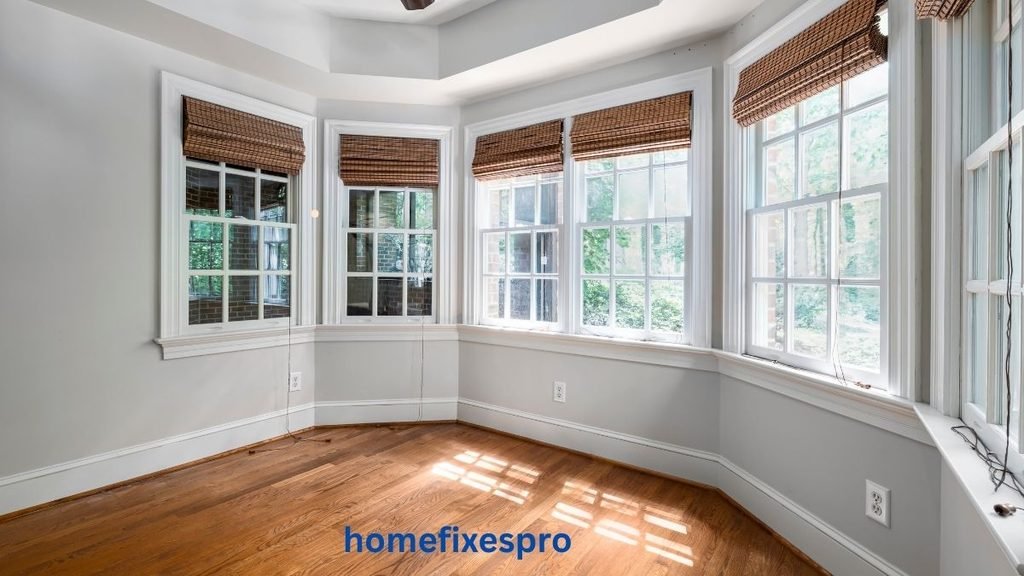
Even a simple window repair can go wrong when the underlying cause is missed.
Sealing Over a Water Leak
Adding caulk to the inside may hide a symptom while water continues entering from outside.
Ignoring Rotten Wood
Painting over rotten material does not restore its strength. Find the moisture source and assess the damaged wood first.
Forcing a Stuck Window
Too much force can break hardware or glass. Find out why the window is stuck before applying pressure.
Replacing Windows Without Checking Air Leaks
A new window may not solve a draft if the actual problem is a gap around the installation or trim.
Ignoring Small Problems
A small crack, loose seal, or minor leak can become more expensive when left untreated.
Frequently Asked Questions
1. What are the most common window problems?
Some frequent issues include drafts, condensation, foggy double-pane glass, difficult operation, broken seals, water leaks, cracked glass, damaged screens, and gaps around frames.
2. How can I tell if my windows need replacing?
Frequent drafts, failed seals, damaged frames, difficult operation, recurring leaks, and poor overall performance can indicate that replacement should be considered. However, some problems can be repaired without replacing the entire window.
3. Why do my windows get condensation inside?
Indoor condensation usually forms when warm, moist air meets a colder window surface. High indoor humidity and poor ventilation can make the problem worse.
4. Can a foggy double-pane window be repaired?
In many cases, the insulated glass unit can be replaced without replacing the entire window frame. A window professional can determine whether that approach is suitable.
5. How do I stop cold air from coming through my windows?
Check weatherstripping, caulking, locks, and the area around the frame. Small gaps can often be sealed, while severely drafty windows may require more extensive repair or replacement.
6. Why is water leaking around my window?
Possible causes include failed exterior seals, damaged flashing, drainage problems, cracks, or water entering from another part of the wall above the window. Finding the actual source is important.
7. When should I call a window professional?
Call a professional for cracked or broken glass, serious water intrusion, extensive wood rot, damaged structural components, difficult-to-access exterior repairs, or problems that remain after basic maintenance.
Conclusion
Understanding common window problems makes it easier to protect your home and avoid unnecessary repair costs. A cold draft, stuck sash, damaged screen, or small gap may have a simple solution. On the other hand, cracked glass, serious leaks, mold, and rotting frames can require more careful attention.
The best approach is to identify the cause before choosing a fix. Start with simple maintenance, check for moisture and air leaks, and avoid forcing damaged windows. When a problem involves safety, structural damage, or persistent water intrusion, getting professional help is the safer choice.
With regular inspection and timely repairs, your windows can continue to provide comfort, daylight, ventilation, and protection for years to come.