
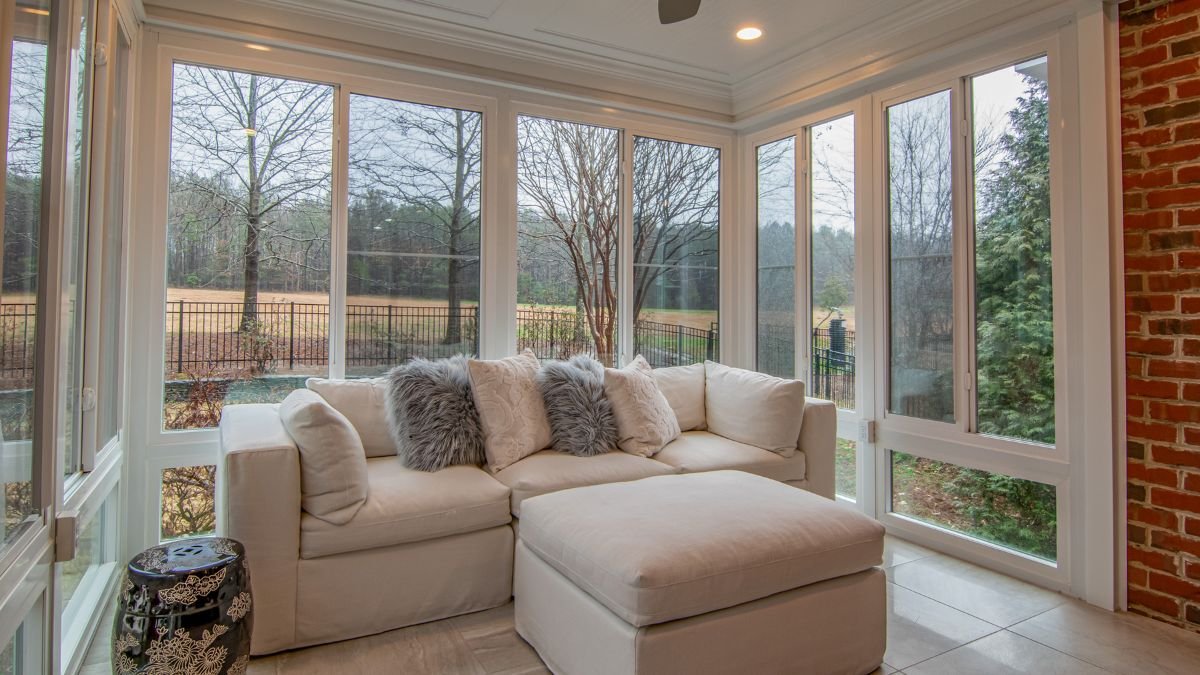
Replacing old windows is one of the smartest investments you can make for your home. The best insulated windows for energy efficiency in 2026 help reduce heat loss, improve indoor comfort, lower utility bills, and even increase your home’s value.
Today’s insulated windows are much more advanced than those made just a decade ago. Manufacturers now use multi-pane glass, Low-E coatings, insulating gas fills, and stronger frame materials to keep homes comfortable in every season. Whether you live in a hot southern state or a snowy northern climate, choosing the right windows can make a noticeable difference in your monthly energy costs.
This guide explains everything you need to know before buying insulated windows in 2026. You’ll learn how they work, which features matter most, how to compare different window types, and how to choose the best option for your budget and climate.
Table of Contents
- What Are Insulated Windows?
- Why Energy-Efficient Windows Matter
- Benefits of Insulated Windows
- Features of the Best Insulated Windows
- Types of Insulated Windows
- Double-Pane vs. Triple-Pane Windows
- Quick Comparison Table
- What Makes a Window Energy Efficient?
What Are Insulated Windows?
Insulated windows are windows built with two or more panes of glass separated by an air or gas-filled space that slows heat transfer between the inside and outside of your home.
Unlike traditional single-pane windows, insulated windows help maintain a more stable indoor temperature throughout the year.
Most modern insulated windows include:
- Two or three panes of glass
- Low-E (low-emissivity) coatings
- Argon or krypton gas between the panes
- Warm-edge spacers
- Airtight weather seals
- Energy-efficient window frames
Together, these components improve insulation while reducing drafts and outside noise.
Why Energy-Efficient Windows Matter
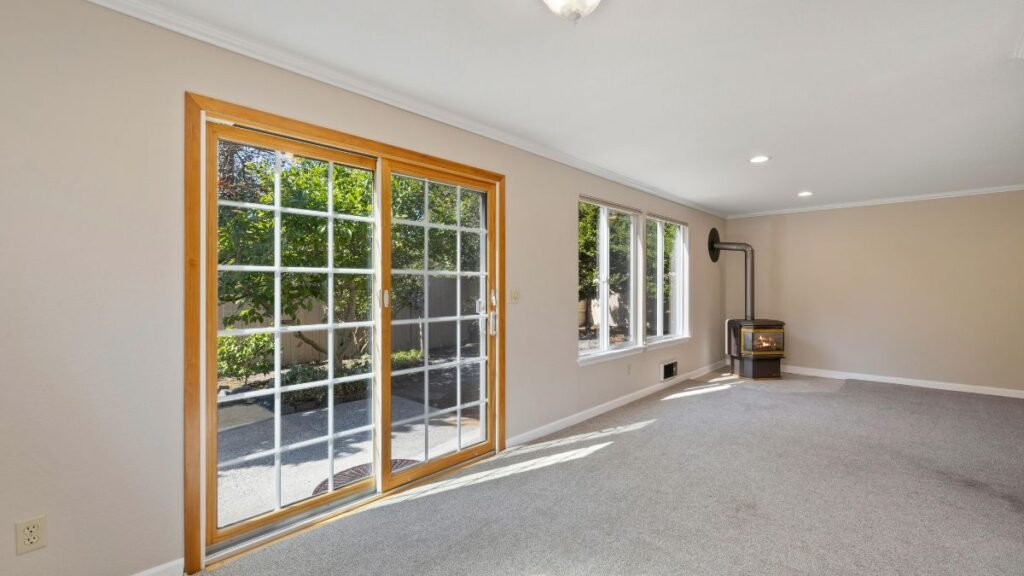
Many homeowners focus on upgrading their HVAC system or adding attic insulation. While those improvements are valuable, windows also play a major role in your home’s energy performance.
Older windows often allow heat to escape during winter and let unwanted heat enter during summer. As a result, your heating and cooling system must work harder to maintain a comfortable temperature.
Replacing outdated windows with modern insulated models can help:
- Reduce heating and cooling costs
- Improve indoor comfort year-round
- Eliminate cold drafts
- Minimize hot spots near windows
- Reduce outdoor noise
- Increase resale value
- Protect furniture from harmful UV rays
As energy prices continue to rise in 2026, energy-efficient windows have become one of the most popular home improvement projects.
Benefits of Insulated Key Windows
Modern insulated windows provide much more than lower utility bills.
Lower Energy Costs
Better insulation means your furnace and air conditioner do not have to work as hard.
Many homeowners notice meaningful savings on monthly heating and cooling expenses after replacing older windows.
Improved Indoor Comfort
Insulated windows reduce temperature differences throughout the house.
Instead of feeling cold near a window during winter or hot during summer afternoons, rooms stay more comfortable all day.
Better Noise Reduction
Double- and triple-pane glass help block outdoor sounds.
This makes insulated windows an excellent choice for homes near busy roads, schools, airports, or commercial areas.
UV Protection
Many Low-E glass coatings block a significant amount of harmful ultraviolet (UV) rays.
This helps protect:
- Hardwood flooring
- Furniture
- Carpets
- Curtains
- Artwork
Less UV exposure means these items fade more slowly.
Increased Home Value
Energy-efficient upgrades remain attractive to buyers.
New insulated windows can improve curb appeal while making your property more appealing during resale.
Features of the Best Insulated Windows for Energy Efficiency in 2026

Not every insulated window performs the same. Understanding the key features will help you make a smarter buying decision.
1. Double-Pane Glass
Double-pane windows include two sheets of glass separated by an insulating space.
Advantages
Lower energy bills
- Affordable price
- Better insulation than single-pane windows
- Reduced condensation
- Good sound reduction
For most homeowners, double-pane windows provide the best balance of performance and value.
2. Triple-Pane Glass
Triple-pane windows add a third sheet of glass for even greater insulation.
Benefits
- Outstanding thermal performance
- Better soundproofing
- Increased indoor comfort
- Lower heat loss
- Ideal for colder climates
Although they cost more, they often provide the highest level of energy efficiency.
Low-3E Glass Coatings
Low-E (low-emissivity) coatings are microscopic metallic layers applied to the glass surface.
These invisible coatings improve insulation by reflecting heat rather than allowing it to pass through the glass.
Benefits of Low-E Glass
- Keeps heat inside during winter
- Reflects solar heat during summer
- Improves energy efficiency
- Blocks much of the sun’s UV radiation
- Helps reduce furniture fading
Today, Low-E coatings are considered a standard feature in premium energy-efficient windows.
. Argon Gas 4Fill
Instead of ordinary air, many insulated windows are filled with argon gas.
Argon is denser than air, making it a better insulator.
Advantages
- Better thermal performance
- Lower heating costs
- Lower cooling costs
- Affordable compared to krypton
Argon-filled windows remain one of the most popular choices in 2026.
5. Krypton Gas Fill
Krypton offers even better insulation than argon.
It is commonly used in premium insulated windows with thinner spaces between glass panes.
Advantages
- Superior insulation
- Excellent performance in extreme climates
- Ideal for triple-pane windows
The main drawback is its higher price.
6. Warm-Edge Spacers
Spacers separate the glass panes inside an insulated glass unit (IGU).
Modern warm-edge spacers reduce heat transfer around the edges of the glass.
Benefits include:
- Improved energy efficiency
- Less condensation
- Better overall insulation
- Longer window lifespan
7. Airtight Weather Seals
Even the highest-quality glass cannot perform well if outside air leaks into your home.
Modern insulated windows use advanced weather seals that help:
- Stop drafts
- Prevent moisture leaks
- Improve comfort
- Increase energy savings
- Extend window life
Types of Insulated Windows

Choosing the right style is just as important as choosing the right glass package.
Casement Windows
Casement windows swing outward using a crank handle.
Best For
- Maximum ventilation
- Excellent energy efficiency
- Modern homes
Because they seal tightly when closed, casement windows are among the most energy-efficient window styles available.
Double-Hung Windows
Double-hung windows have two movable sashes.
Benefits
- Easy cleaning
- Classic appearance
- Good airflow
- Suitable for most homes
These remain one of the most popular replacement window styles in America.
Sliding Windows
Sliding windows open horizontally.
Advantages include:
- Easy operation
- Modern appearance
- Wide outdoor views
- Good natural light
Picture Windows
Picture windows do not open.
Since they have no moving parts, they often provide excellent insulation and maximize natural light.
Awning Windows
Awning windows open outward from the bottom.
These windows provide ventilation even during light rain while maintaining good energy performance.
Double-Pane vs. Triple-Pane Windows
Choosing between double- and triple-pane windows depends on your climate, budget, and long-term energy goals.
| Feature | Double-Pane | Triple-Pane |
| Number of Glass Panes | 2 | 3 |
| Energy Efficiency | Very Good | Excellent |
| Noise Reduction | Good | Excellent |
| Weight | Lighter | Heavier |
| Cost | Lower | Higher |
| Best Climate | Mild to Moderate | Cold Regions |
| Return on Investment | High | Highest in Cold Areas |
Which One Should You Choose?
Choose double-pane windows if you:
- Live in a moderate climate
- Want excellent value
- Have a limited budget
- Need reliable energy savings
Choose triple-pane windows if you:
- Live in very cold regions
- Want maximum comfort
- Need better soundproofing
- Plan to stay in your home for many years
Quick Comparison of Popular Insulated Window Features
| Feature | Energy Savings | Cost | Best For |
| Double-Pane Glass | ★★★★☆ | $$ | Most Homes |
| Triple-Pane Glass | ★★★★★ | $$$ | Cold Climates |
| Low-E Glass | ★★★★★ | $$ | All Climates |
| Argon Gas | ★★★★☆ | $$ | Most Homeowners |
| Krypton Gas | ★★★★★ | $$$ | Premium Windows |
| Vinyl Frames | ★★★★☆ | $$ | Budget-Friendly Projects |
| Fiberglass Frames | ★★★★★ | $$$ | Maximum Performance |
Why These Features Matter
When shopping for insulated windows, don’t focus on just one feature. The most energy-efficient windows combine several technologies into one complete system.
For example, a window with Low-E glass, argon gas, warm-edge spacers, airtight seals, and a well-insulated vinyl or fiberglass frame will usually perform much better than a window that has only one or two of these features.
The goal is to reduce heat transfer from every part of the window—not just the glass.
Expert Tip: Think of a window as a complete insulation system. High-performance glass, a durable frame, quality spacers, and professional installation all work together to deliver the best energy efficiency.
Understanding Window Energy Ratings
One of the biggest mistakes homeowners make is choosing windows based only on appearance or price. While style matters, the energy performance label tells you how well a window will actually perform.
Learning a few key ratings will help you compare windows with confidence.
What Is the NFRC Label?
The National Fenestration Rating Council (NFRC) is an independent organization that tests and certifies window performance. Most quality replacement windows sold in the United States include an NFRC label.
This label provides standardized ratings, making it easier to compare different brands.
Look for these important measurements:
- U-Factor
- Solar Heat Gain Coefficient (SHGC)
- Visible Transmittance (VT)
- Air Leakage (AL)
- Condensation Resistance (optional on some products)
Always compare windows using these ratings rather than marketing claims alone.
1. U-Factor
The U-Factor measures how much heat escapes through a window.
Lower numbers are better.
A lower U-Factor means the window provides better insulation and helps keep your home warmer during winter.
General Guidelines
| U-Factor | Performance |
| 0.20–0.25 | Excellent |
| 0.26–0.30 | Very Good |
| 0.31–0.35 | Good |
| Above 0.35 | Less Efficient |
If you live in a colder climate, choosing a lower U-Factor should be one of your top priorities.
2. Solar Heat Gain Coefficient (SHGC)
The Solar Heat Gain Coefficient (SHGC) measures how much heat from the sun enters your home through the glass.
The rating ranges from 0 to 1.
Lower SHGC
Best for:
- Hot climates
- Sunny regions
- Homes with large south- or west-facing windows
Higher SHGC
Best for:
- Cold climates
- Homes that benefit from passive solar heating
Choosing the right SHGC depends on where you live.
3. Visible Transmittance (VT)
Visible Transmittance measures how much natural light passes through the window.
Higher numbers mean more daylight enters your home.
A higher VT can help reduce the need for artificial lighting during the day while keeping rooms bright and welcoming.
4. Air Leakage (AL)
Air Leakage measures how much outside air enters through the window.
Lower ratings indicate better performance.
Low air leakage helps:
- Prevent drafts
- Improve comfort
- Reduce heating costs
- Lower cooling expenses
What Does ENERGY STAR Certification Mean?
When shopping for replacement windows, you’ll often see the ENERGY STAR® label.
ENERGY STAR-certified windows meet strict energy-efficiency requirements set for different climate zones in the United States.
These windows are independently tested and designed to help reduce heating and cooling costs.
Benefits include:
- Lower energy bills
- Better year-round comfort
- Reduced greenhouse gas emissions
- Improved home value
Choosing ENERGY STAR-certified windows is one of the easiest ways to narrow down high-performing products.
Best Window Frame Materials for Energy Efficiency
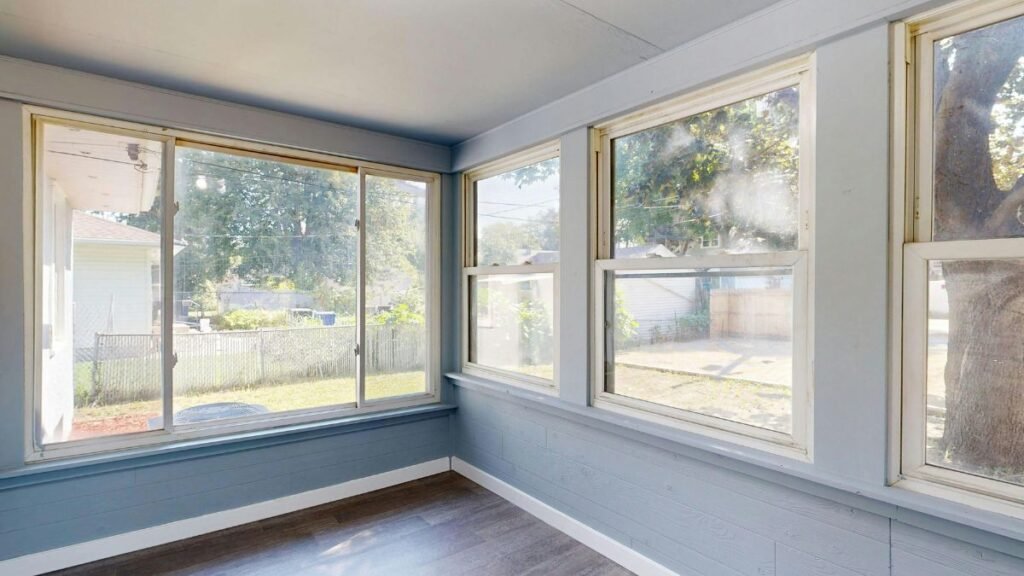
Glass is important, but the frame also affects insulation, durability, and maintenance.
Let’s compare the most common options.
Vinyl Windows
Vinyl windows remain one of the best-selling choices in 2026.
Pros
- Affordable
- Excellent insulation
- Low maintenance
- Moisture resistant
- Never needs painting
Cons
- Limited color options
- Quality varies by manufacturer
Best For: Budget-conscious homeowners who want excellent energy performance.
Fiberglass Windows
Fiberglass frames are known for their strength and durability.
Pros
- Outstanding insulation
- Extremely durable
- Weather resistant
- Minimal expansion and contraction
- Long lifespan
Cons
- Higher upfront cost
Best For: Homeowners planning a long-term investment.
Wood Windows
Wood has been used for generations because of its natural beauty.
Pros
- Excellent natural insulation
- Timeless appearance
- Ideal for historic homes
Cons
- Requires regular maintenance
- Can rot if neglected
- Higher cost
Best For: Traditional or luxury homes.
Composite Windows
Composite windows combine multiple materials to improve performance.
Pros
- Strong construction
- Excellent insulation
- Moisture resistance
- Low maintenance
Cons
- Can cost more than vinyl
Aluminum Windows
Aluminum windows are strong and modern but conduct heat more easily than other materials.
Today’s premium aluminum windows often include thermal breaks, which improve energy performance.
Pros
- Slim frames
- Modern design
- Durable
Cons
- Lower insulation without thermal breaks
Frame Material Comparison
| Frame Material | Energy Efficiency | Maintenance | Lifespan | Cost |
| Vinyl | ★★★★☆ | Very Low | Long | $$ |
| Fiberglass | ★★★★★ | Low | Very Long | $$$ |
| Wood | ★★★★☆ | High | Long | $$$ |
| Composite | ★★★★★ | Low | Very Long | $$$ |
| Aluminum | ★★★☆☆ | Low | Long | $$ |
How Much Do Energy-Efficient Windows Cost in 2026?
The cost of replacement windows depends on several factors, including size, style, frame material, glass package, and installation.
Typical factors that influence pricing include:
- Window size
- Glass type
- Number of panes
- Frame material
- Labor costs
- Home location
- Custom designs
Premium windows with triple-pane glass, fiberglass frames, and advanced coatings usually cost more upfront but may deliver better long-term savings.
Can Energy-Efficient Windows Save Money?
Yes, but the amount varies.
Your savings depend on:
- Local climate
- Current utility rates
- Existing window condition
- HVAC efficiency
- Home insulation
- Installation quality
Homes with old single-pane windows often see the greatest improvement after upgrading to modern insulated windows.
Besides lower utility bills, homeowners also enjoy:
- More consistent indoor temperatures
- Less strain on heating and cooling systems
- Improved indoor comfort
- Reduced outside noise
How to Choose the Best Insulated Windows
Buying windows doesn’t have to be overwhelming.
Use this simple checklist before making your decision.
Step 1: Understand Your Climate
Different climates require different window features.
Cold Climates
Look for:
- Triple-pane glass
- Low U-Factor
- Argon or krypton gas
- Fiberglass frames
Hot Climates
Choose:
- Low SHGC
- Low-E coatings
- Double-pane glass
- Quality weather seals
Mixed Climates
Select windows that balance insulation with solar heat control.
Step 2: Set Your Budget
Decide how much you want to invest.
Remember that cheaper windows may cost more over time if they reduce energy efficiency or require earlier replacement.
Think about long-term value instead of only the purchase price.
Step 3: Compare Warranties
A strong warranty reflects the manufacturer’s confidence in its product.
Check whether the warranty covers:
- Glass
- Frame
- Hardware
- Seal failure
- Installation (if offered)
Step 4: Choose Professional Installation
Even the best insulated window won’t perform properly if it’s installed incorrectly.
Professional installers help ensure:
- Proper sealing
- Correct insulation
- Accurate measurements
- Long-term performance
Poor installation can lead to drafts, moisture problems, and reduced energy savings.
Window Maintenance Tips
Quality insulated windows require very little maintenance, but regular care helps extend their lifespan.
Maintenance Checklist
- Clean the glass regularly.
- Inspect weatherstripping once a year.
- Keep drainage holes clear.
- Check for damaged seals.
- Lubricate moving parts when needed.
- Clean window tracks.
- Trim nearby plants that may block drainage.
Simple maintenance helps keep windows operating efficiently for many years.
Common Mistakes to Avoid
Many homeowners regret rushing their window purchase.
Avoid these common mistakes.
Buying Based Only on Price
The least expensive window is not always the best value.
Ignoring Energy Ratings
Always compare NFRC labels instead of relying only on advertising.
Choosing the Wrong Frame Material
Different homes and climates require different frame types.
Skipping Professional Installation
Improper installation can reduce energy efficiency and shorten the life of your windows.
Forgetting About Your Climate
A window that performs well in Florida may not be the best choice for Minnesota.
Always match window features to your local weather conditions.
Common Myths About Insulated Windows
Myth 1: Triple-Pane Windows Are Always Better
Reality: Triple-pane windows perform exceptionally well in cold climates, but double-pane windows may offer better overall value in moderate climates.
Myth 2: Any Double-Pane Window Is Energy Efficient
Reality: Energy efficiency also depends on Low-E coatings, gas fills, spacers, frame quality, and installation.
Myth 3: All Window Frames Perform the Same
Reality: Vinyl, fiberglass, wood, composite, and aluminum each have different insulation properties and maintenance needs.
Myth 4: New Windows Eliminate Every Draft
Reality: Air leaks can also come from doors, walls, roofs, and poor insulation. Windows are only one part of your home’s overall energy performance.
Why You Can Trust This Guide
This guide is based on widely accepted home energy-efficiency principles and current recommendations from trusted organizations such as ENERGY STAR, the U.S. Department of Energy, and the National Fenestration Rating Council (NFRC).
It also reflects common practices used by experienced window professionals and home improvement experts. While every home is different, the guidance in this article is intended to help homeowners make informed, practical decisions when choosing insulated windows in 2026.
Expert Tip: Don’t judge a window by its glass alone. For the best results, look at the complete package—glass, frame, energy ratings, weather seals, warranty, and installation quality all contribute to long-term performance.
Best Insulated Window Brands to Consider in 2026
Choosing a trusted manufacturer is just as important as selecting the right glass package. While every home has different needs, several companies are known for producing high-quality, energy-efficient windows.
When comparing brands, look beyond the name. Review the energy ratings, warranty, frame materials, installation options, and customer support before making your final decision.
Some of the most well-known window manufacturers include:
- Andersen Windows
- Pella Windows
- Marvin Windows
- Milgard Windows
- Simonton Windows
- JELD-WEN Windows
- Window World
- Champion Windows
Rather than focusing on brand popularity alone, compare each model’s NFRC ratings and ENERGY STAR® certification.
Signs It’s Time to Replace Your Windows
Not sure if your current windows need replacing?
Watch for these common warning signs:
- Cold drafts near windows
- Higher heating or cooling bills
- Condensation between glass panes
- Difficulty opening or closing windows
- Rotting or damaged frames
- Outside noise becoming more noticeable
- Fading furniture from excessive sunlight
- Broken window seals
If you notice several of these problems, replacing your windows may improve both comfort and energy efficiency.
Seasonal Maintenance Checklist
Regular maintenance helps insulated windows last longer and perform at their best.
Spring
- Wash the glass inside and out.
- Inspect weatherstripping.
- Clean window tracks.
- Check for water damage.
Summer
- Remove dirt from screens.
- Test window locks.
- Look for signs of air leaks.
Fall
- Inspect seals before winter.
- Remove leaves from drainage channels.
- Lubricate moving parts.
Winter
- Watch for condensation.
- Clear snow away from window wells.
- Keep indoor humidity at recommended levels to reduce moisture buildup.
A few minutes of maintenance each season can help prevent expensive repairs later.
Also People Ask
What are the most energy-efficient windows in 2026?
The most energy-efficient windows typically feature triple-pane or high-performance double-pane glass, Low-E coatings, argon or krypton gas fills, insulated vinyl or fiberglass frames, and ENERGY STAR® certification.
Are triple-pane windows worth the money?
They can be a worthwhile investment in colder climates because they reduce heat loss, improve comfort, and provide better sound insulation. In milder climates, high-quality double-pane windows often offer excellent performance at a lower cost.
Which window frame insulates the best?
Fiberglass and composite frames generally provide excellent insulation and durability. Vinyl frames are also highly energy efficient while remaining more budget-friendly.
What is a good U-Factor for windows?
A lower U-Factor indicates better insulation. Windows with lower values are generally more effective at reducing heat transfer and improving energy efficiency.
How much can insulated windows lower energy bills?
Savings vary depending on climate, home size, existing windows, and energy costs. Homeowners replacing older single-pane windows often notice meaningful reductions in heating and cooling expenses.
Do Low-E windows block UV rays?
Yes. Low-E coatings help reduce ultraviolet (UV) rays that can fade furniture, flooring, curtains, and artwork while still allowing natural light into your home.
How long do insulated windows last?
Quality insulated windows typically last 20 to 30 years or longer when professionally installed and properly maintained.
Can insulated windows reduce outside noise?
Yes. Double- and triple-pane windows with insulated glass units help reduce outdoor noise, making your home quieter and more comfortable.
Conclusion
Choosing the best insulated windows for energy efficiency in 2026 is an investment that can improve your home’s comfort, reduce energy waste, and increase property value for years to come.
The best results come from selecting a complete window system—not just high-quality glass. Look for products that combine double- or triple-pane insulated glass, Low-E coatings, argon or krypton gas fills, durable vinyl or fiberglass frames, and strong weather seals. Just as important, make sure your windows are installed correctly by qualified professionals.
Before making a purchase, compare energy ratings, review warranty details, and choose windows designed for your local climate. Although premium energy-efficient windows may cost more upfront, they often provide long-term value through lower utility bills, better indoor comfort, and improved durability.
With the right planning, replacing outdated windows can become one of the most rewarding home improvement projects you complete in 2026.









One Comment