
If you have dogs or cats, choosing the right flooring is just as important as choosing the right furniture. Pets bring love and fun into a home, but they also bring muddy paws, sharp nails, accidents, and lots of running around. That is why many homeowners ask, is cork flooring durable for pets?
The short answer is yes—but with a few important things to know. Cork flooring is softer than hardwood, making it comfortable for pets and people. It also provides good grip, reduces noise, and feels warm under your feet. However, it is not completely scratch-proof or waterproof.
In this guide, you’ll learn how cork flooring performs against pet nails, scratches, urine, water, heavy foot traffic, and everyday wear. We’ll also compare it with other flooring options so you can decide whether it is the right choice for your home.
What Is Cork Flooring?
Before deciding if cork flooring is right for your pets, it helps to understand what it is.
Cork flooring is made from the bark of the cork oak tree. The bark is carefully removed without cutting down the tree. It grows back over time, making cork one of the most eco-friendly flooring materials available.
Natural cork contains millions of tiny air pockets. These air-filled cells make the floor:
- Soft underfoot
- Warm in winter
- Quiet to walk on
- Comfortable for pets
- Resistant to mold and mildew
Why Is Cork Flooring Good for Pets,Dogs and Cats?
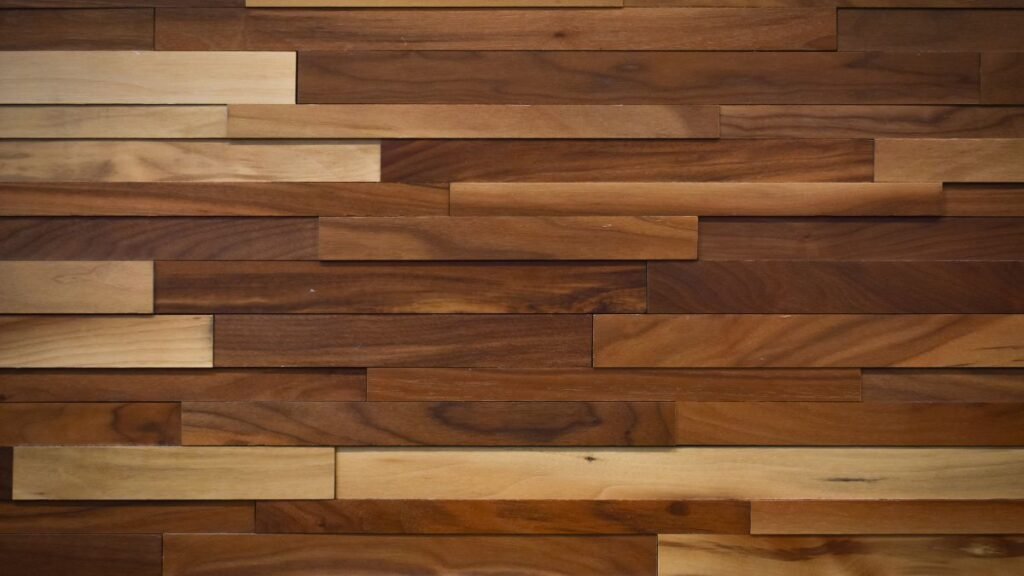
Many pet owners choose cork flooring because it offers benefits that traditional hardwood and tile cannot.
Unlike hard surfaces, cork has a slight cushion. This makes walking and running easier for dogs, especially older pets with joint problems.
Cats also enjoy cork because it feels warmer than tile and provides a comfortable place to rest.
Some of the biggest reasons homeowners choose cork flooring include:
- Soft surface for paws
- Better grip than polished hardwood
- Less noise from running pets
- Comfortable for aging dogs
- Naturally warmer flooring
- Eco-friendly material
- Easy daily cleaning
Is Cork Flooring Durable Enough for Families and Pets?
Durability is often the biggest concern for pet owners.
Dogs can weigh more than 80 pounds. Cats jump onto furniture every day. Children drop toys, drag chairs, and create constant movement inside the house.
So, can cork flooring handle all of this?
The answer depends on three main factors:
- The quality of the cork flooring.
- The protective finish.
- How well the floor is maintained.
High-quality cork flooring is much stronger than many people expect. Premium products include several protective layers that improve resistance to scratches, dents, stains, and moisture.
Even though cork is softer than hardwood, it has a unique ability to compress under pressure and slowly return to its original shape. This natural flexibility helps reduce permanent dents caused by normal household use.
For busy families, this means cork flooring can stay attractive for many years when used correctly.
How Long Does Cork Flooring Last?
One of the biggest advantages of cork flooring is its lifespan.
With regular care, quality cork flooring can last:
| Usage | Expected Lifespan |
| Light residential use | 30–40 years |
| Average family home | 20–30 years |
| Homes with pets | 15–25 years (with proper maintenance) |
The protective finish may need refreshing over time, but the cork itself remains durable when properly cared for.
How Cork Flooring Handles Pet Nails and Scratches
One of the most searched questions is whether pet nails scratch cork flooring.
The honest answer is they can.
No flooring material is completely scratch-proof—not even hardwood or luxury vinyl.
Large dogs with long nails can leave small marks if they run across the floor every day. Cats may also scratch certain areas if they use the floor instead of a scratching post.
Fortunately, most scratches stay on the protective finish rather than damaging the cork itself.
How to Reduce Scratches
You can greatly reduce scratch damage by following a few simple habits:
- Keep your dog’s nails trimmed.
- Give cats scratching posts.
- Place rugs in busy walkways.
- Clean dirt and sand quickly.
- Choose cork flooring with a commercial-grade finish.
- Add felt pads under furniture.
Does Cork Flooring Dent Easily?

Because cork is softer than hardwood, heavy furniture can leave dents over time.
However, everyday walking, pet movement, and normal household activity rarely cause serious damage.
The floor naturally absorbs impact better than many harder flooring materials, making it more forgiving in family homes.
For homes with very large dogs, using protective mats near food bowls, beds, and play areas can help reduce wear in high-use spots.
Water Resistance, Pet Accidents, and Urine Damage
Many homeowners think cork flooring is completely waterproof. That is not true.
Modern cork flooring is water-resistant, but it is not fully waterproof. A quality sealant protects the surface from small spills and everyday moisture. However, standing water or pet urine left on the floor for a long time can seep into the seams and cause damage.
If your dog has an accident or your cat misses the litter box, clean it up as soon as possible. Quick action helps prevent stains, odors, and moisture from reaching the cork.
Can Pet Urine Damage Cork Flooring?
Yes, pet urine can damage cork flooring if it sits on the surface for too long.
Possible problems include:
- Surface stains
- Lingering odors
- Swollen edges
- Discoloration
- Damage to the protective finish
The good news is that sealed cork flooring can handle occasional accidents when they are cleaned promptly.
Tips for Dealing with Pet Accidents
Follow these steps to protect your floor:
- Blot the liquid immediately with a soft cloth.
- Clean the area using a pH-neutral floor cleaner.
- Dry the surface completely.
- Avoid harsh chemicals or bleach.
- Reapply the protective finish when recommended by the manufacturer.
Cleaning and Maintenance of Cork Flooring
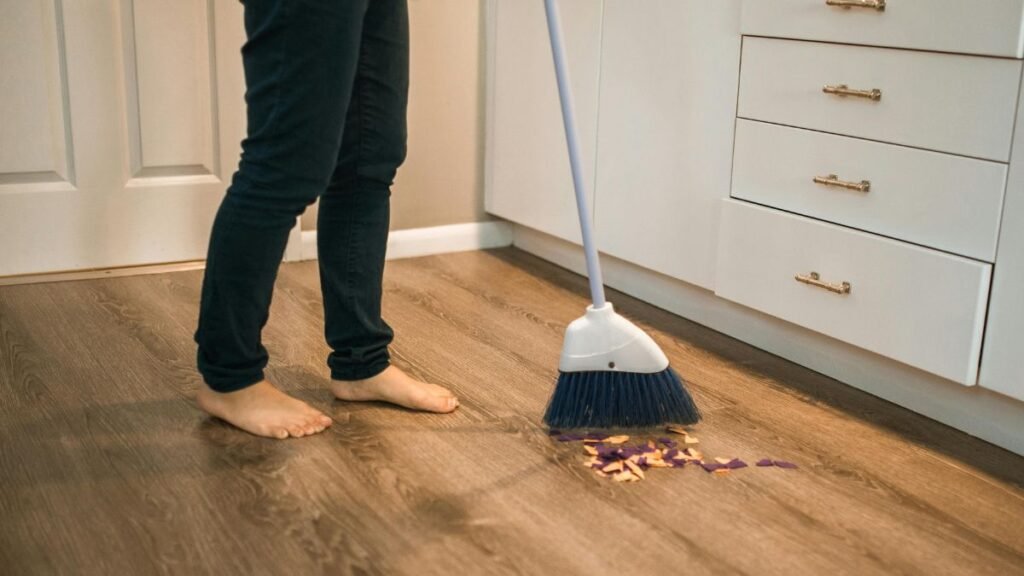
One reason many pet owners like cork flooring is that it is easy to maintain.
Unlike carpet, cork does not trap large amounts of pet hair, dust, or dirt deep inside the fibers. Most pet hair stays on the surface, making daily cleaning quick and simple.
Daily Cleaning Routine
A simple routine can help extend the life of your flooring.
- Sweep or dust daily.
- Vacuum using a soft-floor attachment.
- Wipe muddy paw prints quickly.
- Clean spills immediately.
- Use a damp—not soaking wet—microfiber mop.
Avoid These Cleaning Mistakes
Some cleaning habits can shorten the life of cork flooring.
Avoid:
- Steam mops
- Excess water
- Abrasive scrubbers
- Ammonia-based cleaners
- Bleach
- Wax products unless recommended by the manufacturer
Is Cork Flooring a Good Option for Homes with High Traffic?
Many people wonder whether cork flooring can handle a busy household.
If your home has children, pets, and frequent visitors, your floors experience constant wear every day.
The answer is yes, cork flooring can work well in high-traffic homes—but choosing the right product is important.
High-density cork flooring with a durable factory finish performs much better than lower-quality products.
Best Areas for Cork Flooring
Cork flooring works well in:
- Living rooms
- Bedrooms
- Home offices
- Family rooms
- Playrooms
- Finished basements (when moisture is controlled)
Areas That Need Extra Care
These areas have a higher risk of water exposure:
- Bathrooms
- Laundry rooms
- Entryways with wet shoes
- Areas around pet water bowls
Cork Flooring vs Other Flooring for Pet Owners
Every flooring type has strengths and weaknesses.
The best choice depends on your lifestyle, budget, and the needs of your pets.
| Flooring Type | Scratch Resistance | Water Resistance | Pet Comfort | Maintenance | Overall Pet-Friendly Rating |
| Cork Flooring | Good | Good (sealed) | ⭐⭐⭐⭐⭐ | Easy | ⭐⭐⭐⭐⭐ |
| Luxury Vinyl Plank (LVP) | Excellent | Excellent | ⭐⭐⭐⭐ | Very Easy | ⭐⭐⭐⭐⭐ |
| Hardwood | Fair | Poor | ⭐⭐⭐ | Moderate | ⭐⭐⭐ |
| Laminate | Good | Fair | ⭐⭐⭐ | Easy | ⭐⭐⭐⭐ |
| Tile | Excellent | Excellent | ⭐⭐ | Easy | ⭐⭐⭐⭐ |
| Carpet | Poor | Poor | ⭐⭐⭐⭐⭐ | Difficult | ⭐⭐ |
Cork stands out because it balances comfort, warmth, and durability. While vinyl is more resistant to water and scratches, cork provides a softer, quieter surface that many pets enjoy.
6 Best Flooring Options for Pet Owners
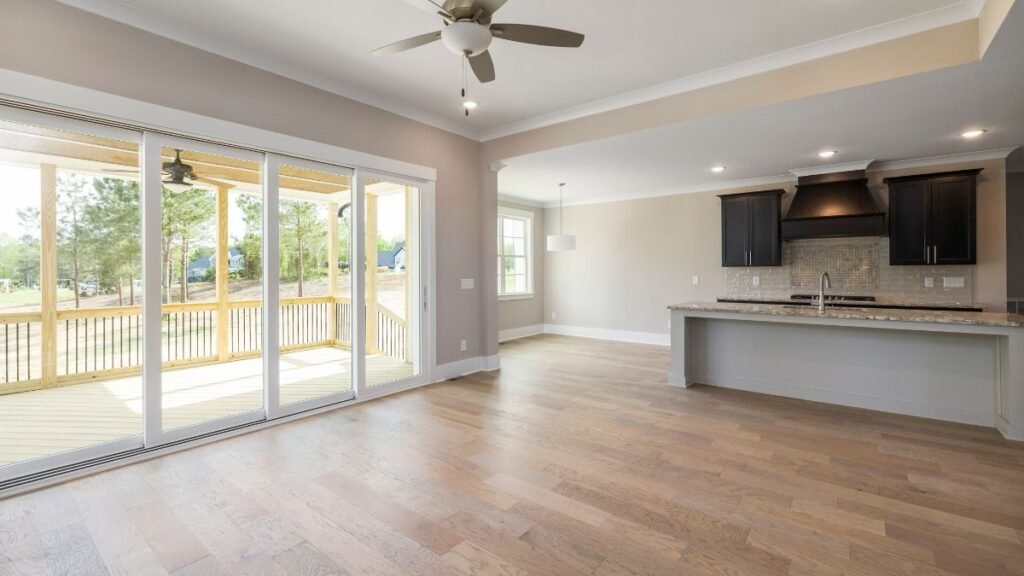
If you’re comparing different materials, these are some of the best options.
1. Cork Flooring
Best for comfort, noise reduction, and eco-friendly homes.
Pros
- Soft for pets
- Quiet
- Warm
- Comfortable
- Renewable material
2. Luxury Vinyl Plank (LVP)
Best for waterproof performance.
It handles scratches, muddy paws, and spills very well while requiring very little maintenance.
3. Porcelain Tile
Ideal for hot climates and homes with frequent pet accidents.
Tile resists scratches and water but can feel cold and hard on pets’ joints.
4. Engineered Hardwood
Offers the beauty of real wood with improved stability.
It still requires protection from scratches and standing moisture.
5. Laminate Flooring
A budget-friendly option that resists everyday wear better than many traditional hardwood floors.
6. Bamboo Flooring
A strong natural flooring choice that performs well in busy households when properly finished.
Is Cork Flooring Expensive?
Cost is another common question for homeowners planning a renovation.
Cork flooring usually costs more than basic laminate but less than many premium hardwood floors.
The total price depends on:
- Product quality
- Thickness
- Brand
- Installation method
- Finish
- Room size
Although the initial cost may be higher than some alternatives, many homeowners find that cork offers excellent long-term value because of its comfort, energy efficiency, and durability.
If you hire a professional installer, labor costs will increase the overall project price. However, some cork flooring products feature click-lock systems that make DIY installation easier.
What Is Cork Herringbone Flooring?
Cork herringbone flooring combines the natural benefits of cork with a stylish herringbone pattern.
Instead of laying the planks in straight rows, they are arranged in a zigzag design that creates a timeless and elegant look.
Why Homeowners Like Cork Herringbone Flooring
- Adds visual interest
- Makes rooms look more luxurious
- Keeps the comfort of traditional cork
- Available in many natural colors
- Works well in modern and classic interiors
Although installation is usually more detailed than a standard layout, the finished result can become a standout feature in any room.
Practical Tips to Make Cork Flooring Last Longer
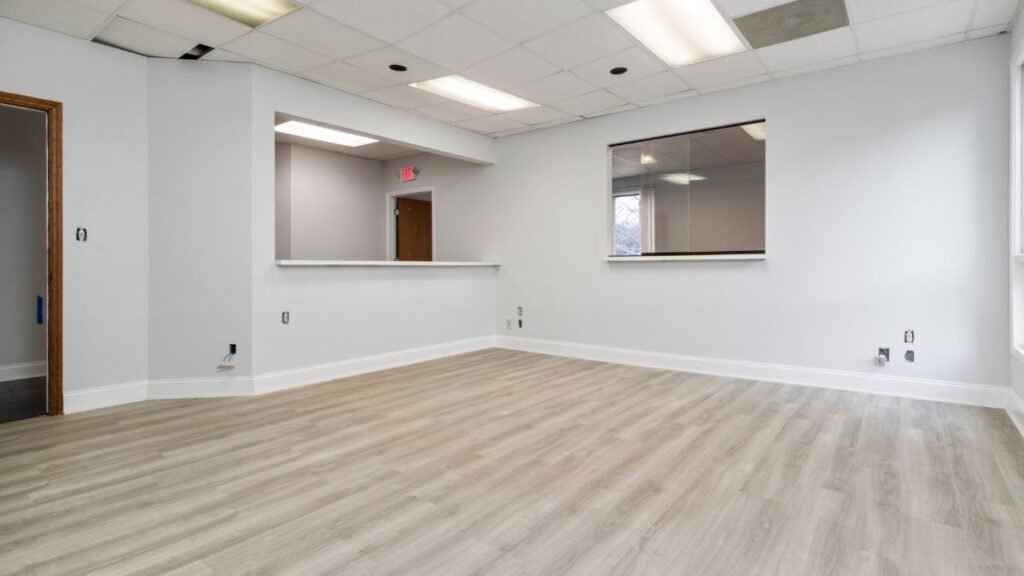
A few simple habits can greatly increase the lifespan of your cork floor, especially in homes with pets.
- Trim your dog’s nails regularly.
- Keep your cat’s scratching posts in easy-to-reach places.
- Place mats near entrances to catch dirt and small stones.
- Use rugs in busy walkways.
- Wipe up water bowls if they spill.
- Clean pet accidents immediately.
- Lift heavy furniture instead of dragging it.
- Refresh the protective finish when needed.
- Follow the manufacturer’s care instructions.
Common Mistakes to Avoid with Cork Flooring
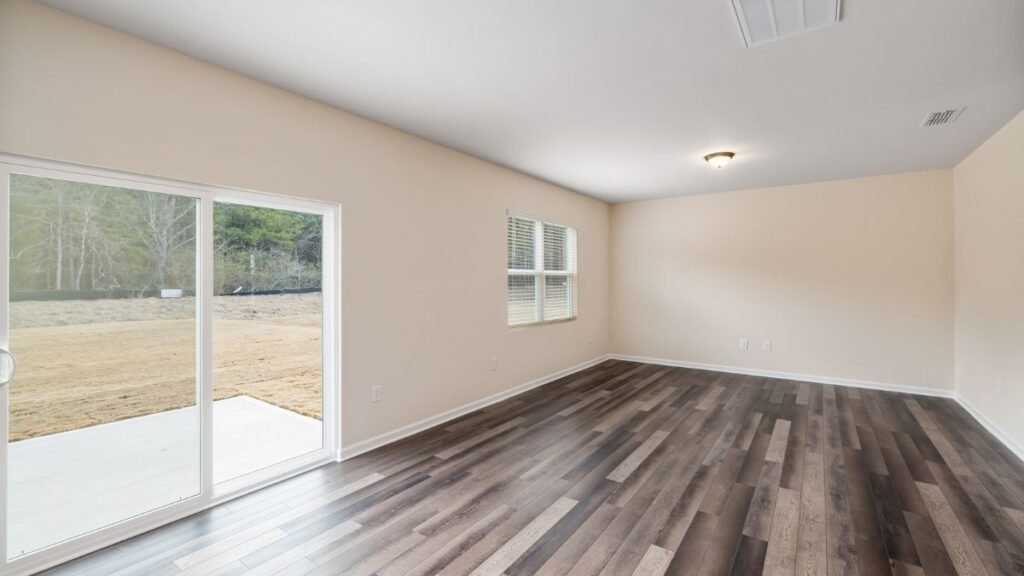
Even the best flooring can wear out faster if it is not cared for properly. Many of the common problems with cork flooring happen because of simple maintenance mistakes.
Here are a few things to avoid:
- Ignoring pet nail care. Long nails can leave scratches on the protective finish.
- Leaving pet accidents too long. Urine and water should be cleaned immediately to prevent stains and moisture damage.
- Using too much water when mopping. A damp microfiber mop is enough. Excess water can seep into joints and edges.
- Using harsh cleaning products. Bleach, ammonia, and abrasive cleaners can damage the finish.
- Dragging heavy furniture. Always lift furniture or use felt pads to avoid dents and scratches.
- Skipping maintenance. Recoating the protective finish when recommended helps extend the life of your floor.
By avoiding these mistakes, you can keep cork flooring looking beautiful for many years.
Pros and Cons of Cork Flooring
Choosing the right flooring means understanding both its strengths and its limitations.
| Pros | Cons |
| Soft and comfortable for pets and people | Can scratch from sharp pet nails |
| Warm underfoot | Not completely waterproof |
| Good sound insulation | Heavy furniture may leave dents |
| Eco-friendly and renewable | Needs regular maintenance to protect the finish |
| Better grip than polished hardwood | Standing water can cause damage |
| Easy to clean | Lower-quality cork wears faster |
| Helps reduce noise from running pets | Direct sunlight may fade the color over time |
Frequently Asked Questions (FAQs)
1. Is cork flooring good for pets?
Yes. Cork flooring is a pet-friendly option because it is soft, warm, quiet, and provides better traction than many hard flooring materials. With proper maintenance, it performs well in homes with both dogs and cats.
2. Do dog nails scratch cork flooring?
They can. While the protective finish helps resist scratches, large dogs with long nails may leave marks over time. Keeping nails trimmed and using rugs in high-traffic areas can reduce scratching.
3. Is cork flooring waterproof?
No. Cork flooring is water-resistant, not waterproof. It can handle everyday spills, but standing water or pet urine should be cleaned immediately to avoid damage.
4. Is cork flooring durable enough for busy families?
Yes. High-quality cork flooring with a durable finish can withstand daily use in active households. Choosing premium products and following proper care instructions will improve its lifespan.
5. How long does cork flooring last?
Quality cork flooring can last 15–25 years in homes with pets and 20–40 years in homes with lighter foot traffic, depending on maintenance and the quality of the flooring.
6. Is cork flooring expensive?
Cork flooring is usually priced between laminate flooring and premium hardwood. While the upfront cost may be higher than some alternatives, many homeowners appreciate its comfort, durability, and long-term value.
7. Is cork herringbone flooring a good choice?
Yes. Cork herringbone flooring offers the same comfort and insulation as traditional cork flooring while adding a stylish, decorative pattern that suits both modern and classic homes.
Conclusion
So, is cork flooring durable for pets, dogs, and cats? For many households, the answer is yes.
Cork flooring offers a unique mix of comfort, durability, and everyday practicality. It is gentle on pets’ joints, quieter than many hard floors, and easier to clean than carpet. Although it is not completely scratch-proof or waterproof, proper care can greatly reduce wear and help the flooring last for many years.