Power outages can happen at any time. Storms, damaged power lines, or high electricity demand can leave homes without power for hours or even days.
If you already have solar panels or plan to install them, you may wonder: Do solar batteries work during a power outage?
The simple answer is yes—but only if your solar system is designed for backup power.
A solar battery stores extra electricity made by your solar panels. During a blackout, it can power important appliances or even your whole home, depending on the battery size and system design.
This guide explains how solar batteries work during outages, what types of systems provide backup power, and how to choose the right setup for your home.
What Is a Solar Battery?
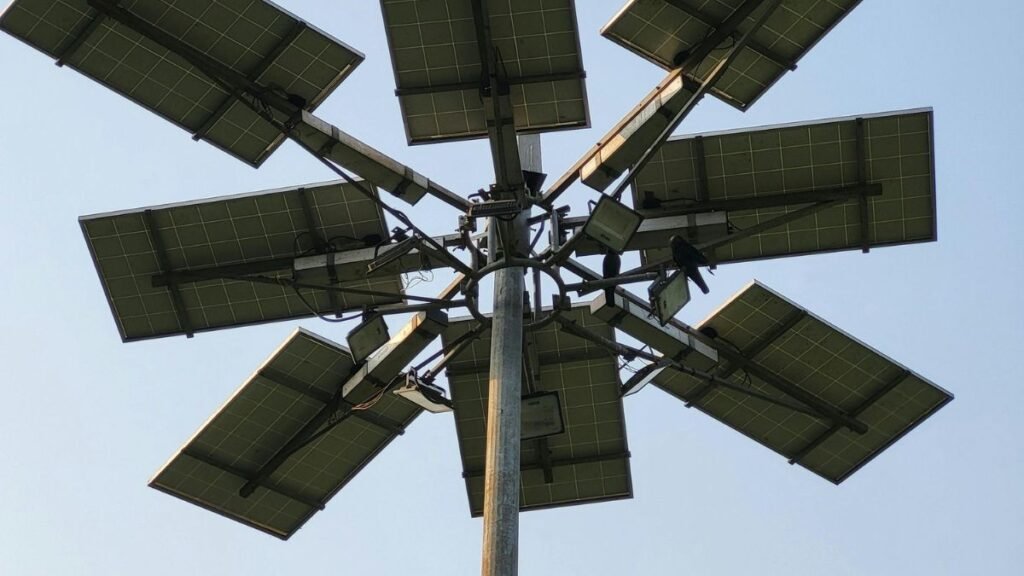
A solar battery is a device that stores extra electricity produced by your solar panels.
Instead of sending all unused energy to the power grid, your system can store it for later use.
You can use the stored electricity:
- At night
- During cloudy weather
- During power outages
- When electricity prices are high
Do Solar Batteries Work During a Power Outage?
Yes—If Your System Includes Backup Capability
A solar battery works during a power outage only when your system has backup features, such as a compatible hybrid inverter or backup gateway.
When the utility power fails, your system disconnects from the electrical grid for safety. This process is called islanding.
After disconnecting:
- The battery detects the outage.
- The inverter switches your home to battery power.
- Your selected circuits continue running.
- If sunlight is available, your solar panels recharge the battery.
Why Solar Panels Alone Usually Stop Working
Many people think solar panels always provide electricity.
That is not true.
Most residential systems are connected to the electric grid.
When the grid loses power, solar systems automatically shut off.
This protects utility workers repairing damaged power lines.
Without this safety feature, electricity from homes could travel back into the grid and create dangerous conditions.
How Solar Battery Backup Works
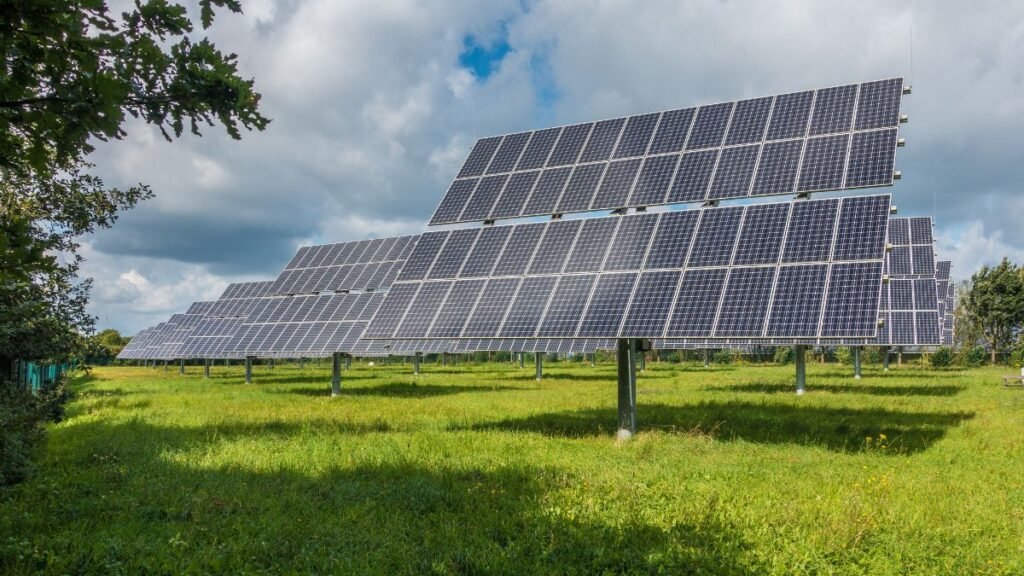
Think of a solar battery like a rechargeable energy bank.
During Normal Days
- Solar panels produce electricity.
- Your home uses what it needs.
- Extra electricity charges the battery.
- Any remaining electricity may go to the grid.
During a Blackout
- Grid power stops.
- Backup system activates automatically.
- Battery supplies electricity.
- Solar panels recharge the battery during daylight if the system supports solar charging during outages.
Types of Solar Systems
1. Grid-Tied Solar System
This is the most common setup.
Features:
- No battery
- Uses utility grid
- Usually shuts down during outages
- Lower installation cost
Best for homeowners focused on lowering electric bills.
2. Grid-Tied Solar with Battery Backup
This is becoming increasingly popular.
Features:
- Solar panels
- Battery storage
- Hybrid inverter
- Backup power during outages
This setup offers both energy savings and peace of mind.
3. Off-Grid Solar System
An off-grid system operates without the utility grid.
Features:
- Large battery bank
- Solar panels
- Backup generator may be included
- Independent electricity supply
These systems are common in remote locations.
Comparison Table
| Feature | Grid-Tied | Grid + Battery | Off-Grid |
| Works during outage | No | Yes | Yes |
| Uses utility grid | Yes | Yes | No |
| Battery required | No | Yes | Yes |
| Lower cost | Yes | Moderate | Higher |
| Energy independence | Low | Medium to High | Very High |
What Can a Solar Battery Power?
The answer depends on:
- Battery capacity
- Home energy use
- Number of batteries
- Appliance power demand
A typical battery can often power:
- Refrigerator
- Internet router
- LED lighting
- Ceiling fans
- Television
- Phone chargers
- Laptop
- Medical devices
- Security systems
Larger battery systems may also power:
- Air conditioners
- Water pumps
- Washing machines
- Electric ovens
- Entire homes
Essential Loads vs Whole-Home Backup
Many homeowners choose to power only essential circuits.
These include:
- Kitchen refrigerator
- Wi-Fi
- Lights
- Medical equipment
- Garage door
- Phone charging
This approach helps the battery last longer.
Whole-home backup requires larger battery storage and costs more.
How Long Can a Solar Battery Last During a Power Outage?
The length of time a solar battery can power your home during a power outage depends on several factors, including the battery’s capacity, your household’s electricity usage, and whether your solar panels can recharge the battery during the day. In general, a 10 kWh solar battery can keep essential appliances like a refrigerator, lights, Wi-Fi, and phone chargers running for 8 to 24 hours. Larger battery systems or multiple batteries can provide backup power for several days, especially when combined with sunny weather. To make your battery last longer, avoid using high-energy appliances such as electric heaters, ovens, or air conditioners unless your system is designed for whole-home backup. Planning your energy use wisely during an outage can significantly extend your battery’s runtime and ensure your most important devices stay powered until the grid is restored.
Factors That Affect Backup Time
Several things influence how long your battery lasts.
Battery Capacity
Larger batteries store more electricity.
Appliance Usage
Running heavy appliances drains batteries faster.
Weather
Sunny days allow solar panels to recharge the battery.
Cloudy weather reduces energy production.
Number of Batteries
Adding more batteries increases storage and backup duration.
Solar Battery vs Generator
| Feature | Solar Battery | Generator |
| Fuel needed | No | Yes |
| Noise | Very quiet | Loud |
| Maintenance | Low | Moderate |
| Emissions | None during operation | Produces exhaust |
| Automatic operation | Usually yes | Depends on model |
| Rechargeable | Yes | No |
Both options provide backup power, but solar batteries offer cleaner and quieter operation.
Practical Tips for Better Backup Power
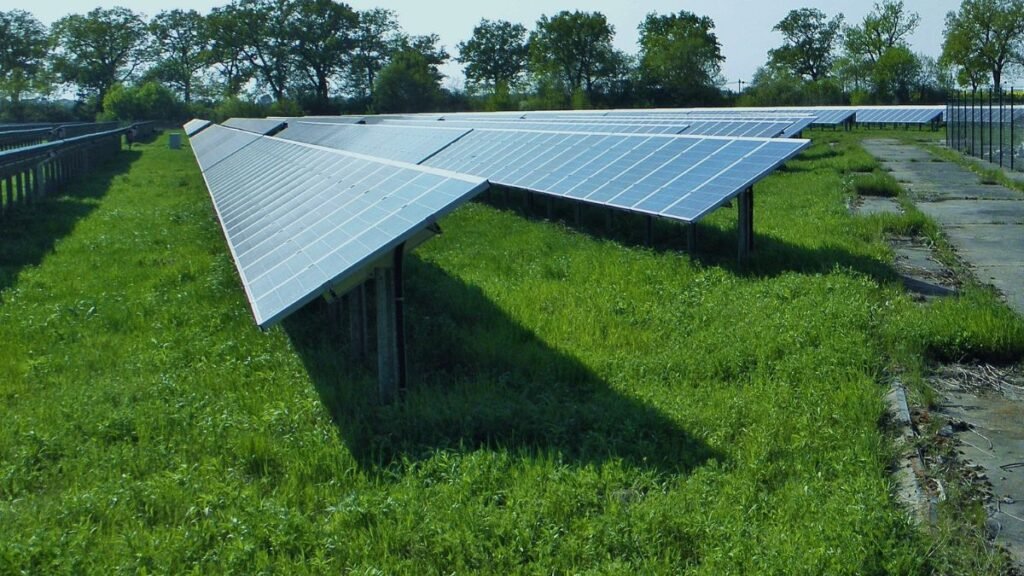
If you rely on solar during outages, follow these tips:
- Install a battery designed for backup use.
- Choose a compatible hybrid inverter.
- Keep your battery charged before severe weather.
- Reduce unnecessary power use during outages.
- Prioritize essential appliances.
- Monitor battery levels through your system’s mobile app.
- Schedule regular system inspections.
Common Mistakes to Avoid
Many homeowners make avoidable mistakes.
Here are the most common ones.
Assuming Solar Panels Always Work During Blackouts
Without battery backup, most grid-connected systems shut down.
Buying a Battery That Is Too Small
A small battery may not support your household needs.
Ignoring Energy Usage
Using high-power appliances during an outage quickly drains stored energy.
Skipping Professional Installation
Improper installation can reduce system performance and create safety risks.
Not Planning for Long Outages
If your area experiences frequent blackouts, consider larger battery storage.
Is a Solar Battery Worth It?
For many homeowners, the answer is yes.
Benefits include:
- Reliable backup power
- Greater energy independence
- Lower reliance on the grid
- Better use of solar energy
- Quiet operation
- Lower maintenance than generators
- Potential long-term electricity savings
Frequently Asked Questions
1. Do solar batteries work during a power outage?
Yes. They can provide backup power if your solar system includes the required backup equipment.
2. Can solar panels charge batteries during a blackout?
Yes, many hybrid systems allow solar panels to recharge batteries during daylight while the home is safely isolated from the grid.
3. Will all my appliances work?
Not always. It depends on your battery size and whether your system supports whole-home backup or only essential circuits.
4. How many batteries does a house need?
The number depends on your daily electricity use, desired backup time, and whether you want to power only essential loads or your entire home.
5. Is a solar battery better than a generator?
Solar batteries are quieter, cleaner, and require less maintenance. Generators may provide longer runtime if fuel is readily available.
6. Can I add a battery to an existing solar system?
In many cases, yes. A qualified installer can determine whether your current inverter and electrical setup are compatible.
7. What happens if the battery runs out?
If the battery is empty and there is no sunlight to recharge it, backup power will stop until the battery is recharged or grid power returns.
Conclusion
So, do solar batteries work during a power outage? Yes, they do—provided your solar energy system includes battery storage and the proper backup equipment. Unlike standard grid-tied solar systems, a battery backup lets you keep essential appliances running when the utility grid goes down.
Choosing the right battery size, inverter, and backup configuration is just as important as installing solar panels. If you live in an area with frequent outages, investing in a well-designed solar battery system can provide greater comfort, security, and energy independence for years to