Installing solar panels is a smart investment, but keeping them in good condition is just as important. A well-maintained system can produce more electricity, last longer, and save you more money over time.
The good news is that most solar systems require very little maintenance. Even so, small problems like dirt, leaves, bird droppings, or loose wiring can reduce performance if they are ignored.
This solar panels maintenance checklist for homeowners will help you understand what to inspect, how often to do it, and when it’s time to call a professional. Whether your system is brand new or several years old, these simple maintenance steps can help keep it working efficiently for decades.
Table of Contents
- What Is Solar Panel Maintenance?
- Why Regular Maintenance Matters
- How Often Should You Maintain Solar Panels?
- Solar Panels Maintenance Checklist for Homeowners
- Seasonal Maintenance Tips
- DIY vs Professional Maintenance
- Common Mistakes to Avoid
- FAQs
- Conclusion
- Key Takeaways
What Is Solar Panel Maintenance?
Solar panel maintenance is the routine care of your solar energy system to keep it working safely and efficiently.
It includes simple tasks like:
- Cleaning dirt and debris
- Looking for visible damage
- Checking system performance
- Monitoring energy production
- Scheduling professional inspections when needed
Unlike many home appliances, solar panels have no moving parts. That makes them reliable and easier to maintain. However, regular care helps prevent small issues from becoming expensive repairs.
Featured Snippet:
Solar panel maintenance is the process of cleaning, inspecting, and monitoring a solar energy system to improve efficiency, extend its lifespan, and reduce the risk of costly repairs.
Why Regular Solar Panel Maintenance Matters
Many homeowners assume solar panels take care of themselves. While they are built to withstand rain, wind, and snow, they still benefit from regular inspections.
Here are the biggest reasons to stay on top of maintenance.
Higher Energy Production
Dust, pollen, leaves, and bird droppings can block sunlight. Even a thin layer of dirt may reduce the amount of electricity your panels produce.
Clean panels absorb more sunlight, helping your system generate as much power as possible.
Lower Electricity Bills
When your solar panels work efficiently, your home depends less on electricity from the utility company.
Better performance means more savings month after month.
Longer System Life
Most quality solar panels are designed to last 25 years or more. Routine maintenance helps protect your investment and keeps major components in good condition.
Early Problem Detection
Small issues are easier and less expensive to fix than major failures.
Regular inspections may help identify:
- Loose wiring
- Cracked glass
- Damaged mounting hardware
- Corrosion
- Water intrusion
- Inverter warning lights
Finding these problems early can prevent bigger repairs later.
How Often Should You Maintain Solar Panels?
The exact schedule depends on your location, weather, and nearby trees.
Here is a simple maintenance calendar most homeowners can follow.
| Maintenance Task | Recommended Frequency |
| Visual inspection | Every month |
| Monitor energy production | Weekly |
| Remove leaves and debris | As needed |
| Clean panels | Every 6–12 months |
| Professional inspection | Every 1–2 years |
| Check inverter display | Monthly |
| Inspect roof around panels | Twice a year |
If you live in a dusty area or near many trees, you may need to clean your panels more often.
Solar Panels Maintenance Checklist for Homeowners
Use this checklist throughout the year to keep your solar system in top shape.
1. Check Solar Panels for Dirt and Debris
Start with a simple visual inspection from the ground.
Look for:
- Dust buildup
- Fallen leaves
- Bird droppings
- Tree sap
- Pollen
- Snow accumulation
If dirt covers large areas of the panels, cleaning may improve energy production.
2. Inspect for Physical Damage
Strong storms, hail, or falling branches can damage solar panels.
Look for signs such as:
- Cracked glass
- Chips
- Broken frames
- Loose panels
- Bent mounting rails
Never climb onto your roof unless you have the proper safety equipment and experience.
3. Watch Your Energy Production
One of the easiest ways to spot a problem is by checking your solar monitoring app.
Pay attention to:
- Sudden drops in production
- Error messages
- Unexpected changes compared to previous months
A noticeable decrease may indicate that your system needs cleaning or professional service.
4. Clean Solar Panels Safely
Many homeowners ask whether solar panels need regular cleaning.
The answer depends on where you live.
Rain often removes light dust, but heavier dirt may stay on the surface.
Safe Cleaning Tips
- Clean early in the morning or late in the evening.
- Use clean water.
- Use a soft sponge or microfiber cloth.
- Rinse gently.
- Allow panels to air dry.
Avoid These Mistakes
- Pressure washers
- Abrasive brushes
- Harsh chemicals
- Metal tools
- Walking directly on the panels
These can damage the protective glass or void the manufacturer’s warranty.
5. Check Nearby Trees
Trees provide shade, but too much shade reduces solar production.
Trim branches that:
- Block sunlight
- Drop leaves
- Scratch the panels during windy weather
Regular trimming also reduces the amount of debris collecting on your roof.
6. Inspect the Solar Inverter
The inverter is the heart of your solar energy system. It converts the electricity produced by the panels into usable power for your home.
Most inverters have indicator lights or a display screen.
Check that:
- The system shows normal operation.
- There are no warning lights.
- There are no unusual sounds or overheating.
- Ventilation around the inverter is clear.
If you notice repeated error messages, contact your installer instead of attempting repairs yourself.
7. Look for Pest Activity
Birds, squirrels, and other small animals sometimes build nests beneath solar panels.
Watch for signs like:
- Nesting materials
- Chewed wires
- Droppings
- Unusual noises
Installing protective mesh around the edges of your solar array can help keep pests away without affecting airflow.
8. Inspect the Roof Around the Panels
Your solar panels may be working perfectly, but the roof beneath them also needs attention.
Check for:
- Missing shingles
- Water stains
- Loose flashing
- Moss or algae growth
- Signs of leaks inside the attic
A healthy roof helps protect both your home and your solar investment.
Quick Homeowner Maintenance Checklist
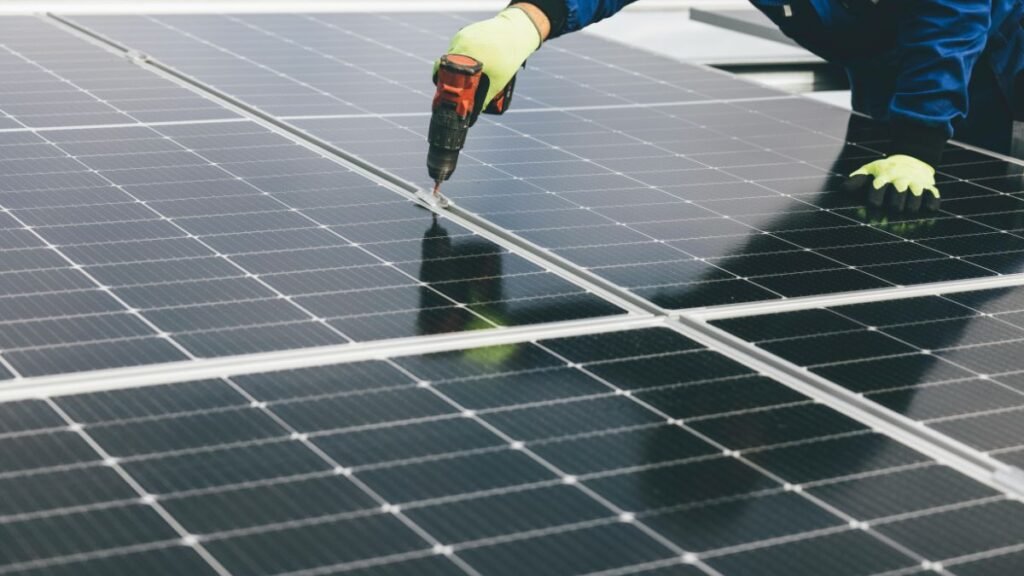
For easy reference, use this checklist every few months:
- ✔ Check for dirt and debris
- ✔ Review energy production
- ✔ Inspect for visible damage
- ✔ Look at the inverter display
- ✔ Remove leaves from around the panels
- ✔ Watch for pests
- ✔ Check nearby tree growth
- ✔ Schedule professional inspections when needed
These simple habits take only a little time but can help your system perform well year after year.
Practical Tips to Keep Solar Panels Performing Their Best
A few smart habits can make a noticeable difference in your system’s efficiency.
- Compare your monthly energy production with the same month from the previous year.
- Keep a record of maintenance and inspections.
- After major storms, perform a visual inspection from the ground.
- If your monitoring app sends alerts, don’t ignore them.
- Follow your installer’s maintenance recommendations to help protect your warranty.
- Replace damaged roof components before they affect the solar system.
These steps don’t require special tools, but they can help you catch problems early and avoid unnecessary repairs.
Seasonal Solar Panel Maintenance Tips
Every season brings different weather conditions. A few simple tasks throughout the year can help keep your solar system running efficiently.
Spring
Winter often leaves behind dirt, pollen, and small branches.
Your spring checklist should include:
- Clean the panels if they look dirty.
- Check for damage caused by snow or ice.
- Trim any new tree growth that creates shade.
- Review your energy production to make sure it matches previous years.
Summer
Longer days mean your panels can produce more electricity.
During summer:
- Watch for overheating around the inverter.
- Remove bird droppings and dust if needed.
- Check that nearby plants are not shading the panels.
- Monitor your system after severe thunderstorms.
Fall
Leaves can quickly collect around rooftop solar panels.
In the fall:
- Remove leaves from around the panels.
- Clean gutters near the solar array.
- Inspect roof flashing and mounting hardware.
- Prepare the system for winter weather.
Winter
Solar panels still work in cold weather. In fact, cooler temperatures can improve panel efficiency.
During winter:
- Remove heavy snow only if it can be done safely from the ground with a roof-safe snow rake.
- Never use sharp tools to scrape ice.
- Check for storm damage after strong winds.
- Monitor production during shorter daylight hours.
DIY vs. Professional Solar Panel Maintenance
Some maintenance tasks are safe for homeowners, while others should always be handled by trained professionals.
| Task | DIY | Professional |
| Monitor energy production | ✅ | |
| Visual inspection from the ground | ✅ | |
| Light cleaning with water | ✅ | |
| Remove leaves around the roof | ✅ | |
| Electrical repairs | ✅ | |
| Wiring inspection | ✅ | |
| Inverter repairs | ✅ | |
| Roof-mounted equipment repairs | ✅ | |
| Annual system testing | ✅ |
If you’re unsure about any task, it’s safer to contact a licensed solar installer. Climbing onto a roof or working with electrical equipment can be dangerous.
Common Solar Panel Maintenance Mistakes
Avoiding these common mistakes can help protect your investment.
Ignoring Small Performance Drops
Many homeowners don’t notice a gradual decline in energy production.
Check your monitoring app regularly. Even a small drop may signal dirt buildup or a developing issue.
Cleaning Panels During Peak Heat
Hot glass can crack if cold water is applied suddenly.
Instead, clean your panels early in the morning or later in the evening when they have cooled down.
Using Harsh Cleaning Products
Strong chemicals, abrasive brushes, or pressure washers can damage the protective coating on solar panels.
Stick with clean water and a soft cloth or sponge unless the manufacturer recommends another method.
Forgetting About the Inverter
Homeowners often focus only on the panels.
However, the inverter is one of the most important parts of the system. Check it monthly for warning lights or error messages.
Skipping Professional Inspections
Even if everything looks fine, hidden issues may develop over time.
A professional inspection every one to two years can identify problems before they become expensive repairs.
When Should You Call a Professional?
While basic maintenance is simple, some situations require expert help.
Contact a qualified solar technician if you notice:
- Cracked solar panels
- Loose mounting hardware
- Water leaking near electrical equipment
- Burn marks or unusual smells
- Error messages that won’t clear
- Sudden and significant drops in energy production
- Visible damage after hail or severe storms
Never attempt to repair electrical components yourself unless you are properly trained.
Tips to Extend the Life of Your Solar System
Most quality solar panels can last 25 to 30 years or longer with proper care.
To help your system last as long as possible:
- Keep panels reasonably clean.
- Monitor production throughout the year.
- Schedule professional inspections.
- Trim nearby trees regularly.
- Replace damaged roof materials promptly.
- Keep maintenance records for warranty purposes.
- Follow the manufacturer’s care recommendations.
Small maintenance habits today can lead to years of reliable energy production.
Frequently Asked Questions
1. How often should homeowners clean solar panels?
Most homes only need cleaning once or twice a year. However, homes in dusty areas or near many trees may require more frequent cleaning.
2. Does rain clean solar panels?
Rain can wash away light dust, but it usually doesn’t remove bird droppings, pollen, tree sap, or heavy dirt. Occasional cleaning may still be needed.
3. Can dirty solar panels reduce efficiency?
Yes. Dirt and debris block sunlight, reducing the amount of electricity your panels can produce. Regular inspections help maintain good performance.
4. Is solar panel maintenance expensive?
Routine homeowner maintenance is usually inexpensive. Professional inspections are generally affordable and may help prevent costly repairs later.
Conclusion
Following a regular solar panels maintenance checklist for homeowners is one of the easiest ways to protect your investment. While solar systems require far less maintenance than many other home improvements, simple tasks like checking energy production, cleaning panels when needed, and scheduling periodic inspections can make a big difference.
By catching small issues early, you can improve efficiency, reduce repair costs, and help your solar panels continue producing clean energy for decades. Whether your system is brand new or several years old, a little routine care goes a long way toward maximizing its performance.