Solar panels are a smart investment that helps reduce electricity bills while producing clean, renewable energy. However, many homeowners overlook one important part of owning a solar energy system: regular cleaning. Dust, bird droppings, pollen, leaves, and other debris can gradually build up on the surface of solar panels, reducing their ability to absorb sunlight efficiently. Even a thin layer of dirt can affect energy production over time. Here we learn how to clean solar panels at home safely.
The good news is that cleaning solar panels at home safely is easier than many people think. You do not need expensive equipment or harsh chemicals. With the right tools, proper safety precautions, and a simple cleaning routine, you can keep your solar panels in excellent condition and maintain their performance for years.
In this guide, you will learn the safest way to clean solar panels at home, discover the best cleaning tools, understand common mistakes to avoid, and find practical maintenance tips to maximize your solar panel efficiency.
Why Is It Important to Clean Solar Panels?
Solar panels work by absorbing sunlight and converting it into electricity. When dirt, dust, leaves, or bird droppings cover the glass surface, less sunlight reaches the solar cells. As a result, your solar system may produce less electricity than expected.
Regular solar panel cleaning offers several benefits, including:
– Improves solar panel efficiency.
– Increases daily energy production.
– Helps maintain long-term performance.
– Prevents dirt buildup from becoming difficult to remove.
– Supports routine solar panel maintenance.
– Helps identify cracks, loose wiring, or other visible issues during inspection.
If you live in a dry, dusty, or polluted area, your panels may require cleaning more frequently than those in regions that receive regular rainfall.
Essential Safety Precautions Before Cleaning Solar Panels
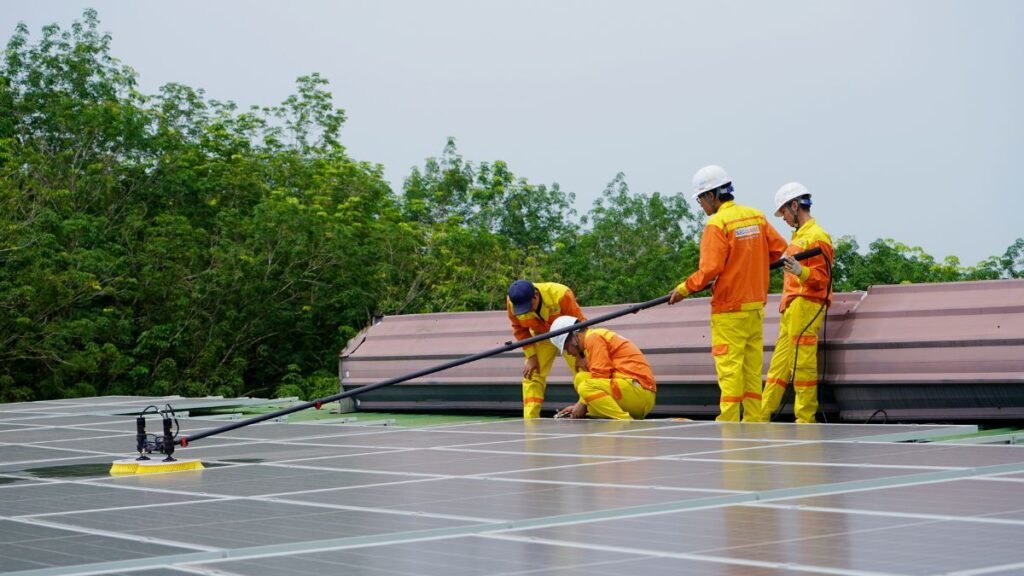
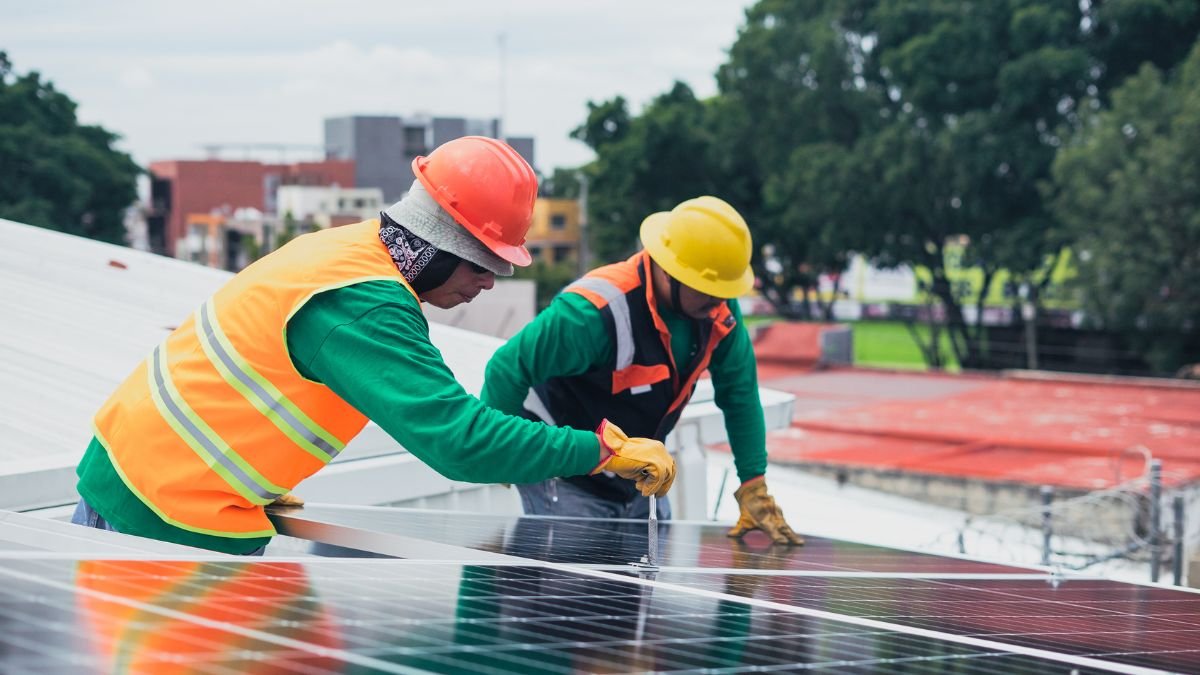
Safety should always come first. Solar panels are often installed on rooftops, where slipping or falling can cause serious injuries. Before starting the cleaning process, follow these essential safety guidelines.
Turn off your solar system according to the manufacturer’s instructions. This reduces electrical risks while cleaning.
Clean your panels early in the morning or late in the evening when they are cool. Spraying cold water on hot panels may create thermal stress, which can damage the glass.
Wear non-slip shoes if you need to access the roof. Use a stable ladder and ensure someone else is nearby in case you need assistance.
Avoid standing directly on solar panels. They are designed to capture sunlight, not support body weight. Walking on them may crack the glass or damage the internal cells.
If your roof is steep, wet, or difficult to access, hire a professional solar panel cleaning service instead of taking unnecessary risks.
Using the right cleaning tools makes the process easier while protecting your solar panels from scratches or damage.
Recommended tools include:
– A soft microfiber cloth.
– A soft-bristle brush with an extension handle.
– A bucket of clean or distilled water.
– A garden hose with gentle water pressure.
– A rubber squeegee for drying.
– A safety harness if working on higher roofs.
Avoid using pressure washers because strong water pressure can damage seals and panel components. Likewise, do not use abrasive brushes, steel wool, or harsh chemical cleaners, as they may scratch the protective glass coating.
For most homeowners, clean water and a soft microfiber cloth are all that is needed to remove dust and light dirt effectively.
Proper cleaning with gentle tools not only protects your investment but also helps your solar panels deliver consistent performance throughout the year.
Cleaning solar panels is not difficult if you follow the correct method. Taking your time and using gentle cleaning techniques will help protect the panels while improving their performance.
Step 1: Turn Off the Solar System
Before starting, switch off your solar power system according to the manufacturer’s instructions. This is an important safety step that reduces electrical risks during cleaning.
Step 2: Remove Loose Dirt and Debris
Use a soft brush or a gentle stream of water from a garden hose to remove leaves, dust, and loose debris. Avoid spraying water at very high pressure because it can damage the panel seals.
Step 3: Wash the Surface Gently
Dip a microfiber cloth or a soft sponge into clean water. If necessary, add a small amount of mild soap that does not contain harsh chemicals. Wipe the panel surface gently using smooth, even strokes.
Do not scrub aggressively. Bird droppings or stubborn dirt should be soaked with water for a few minutes before wiping them away.
Step 4: Rinse Thoroughly
Rinse the panels with clean water to remove any remaining dirt or soap residue. Distilled water is an excellent choice in areas with hard water because it helps prevent mineral spots.
Step 5: Dry the Panels
Use a clean rubber squeegee or allow the panels to air dry naturally. Avoid rough towels that may scratch the glass surface.
After cleaning, inspect the panels for visible cracks, loose mounting hardware, or damaged wiring. If you notice any problems, contact a qualified solar technician.
The ideal cleaning schedule depends on your location, weather conditions, and the amount of dirt that collects on your panels.
As a general guideline:
– Clean solar panels every 6 to 12 months under normal conditions.
– Clean them every 3 to 6 months if you live in dusty, dry, or polluted areas.
– Inspect them after storms, heavy winds, or long dry seasons.
– Remove bird droppings, leaves, and heavy dirt as soon as possible.
Rain can wash away some loose dust, but it usually cannot remove sticky dirt, pollen, bird droppings, or tree sap. Regular inspections help you decide when cleaning is actually needed.
Keeping a simple maintenance schedule ensures your solar panels continue producing electricity efficiently throughout the year.
Common Mistakes to Avoid When Cleaning Solar Panels
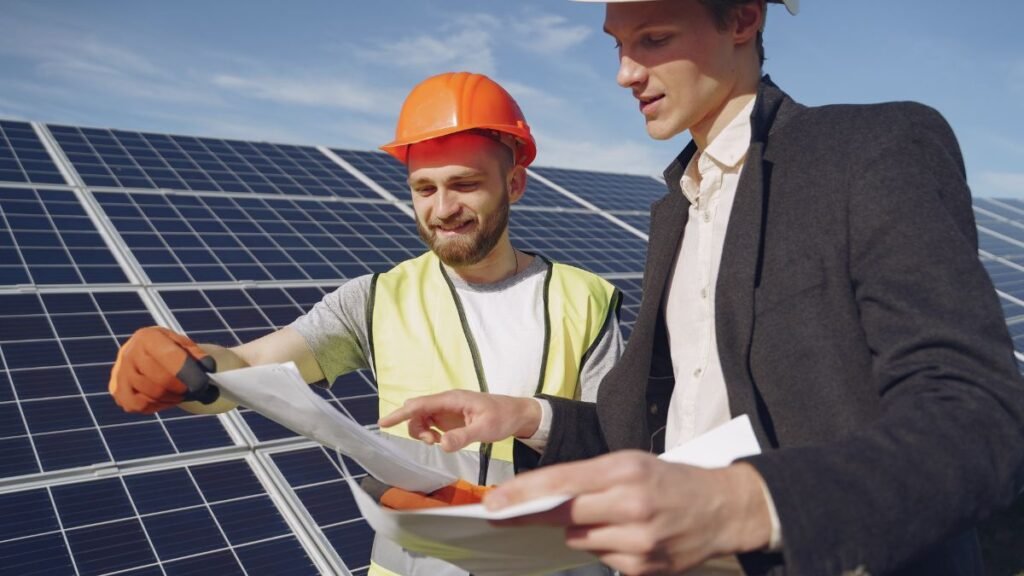
Many homeowners accidentally reduce the lifespan of their solar panels by using improper cleaning methods. Avoiding these common mistakes will protect your investment.
Do not use pressure washers. High-pressure water can damage protective seals and electrical connections.
Do not use abrasive brushes or steel wool. These tools can scratch the glass surface and reduce light absorption.
Avoid harsh chemicals. Strong detergents, bleach, or ammonia-based cleaners may damage the protective coating on the panels.
Never clean hot solar panels. Cold water applied to hot glass may cause thermal stress, increasing the risk of cracks.
Do not walk directly on solar panels. Even if they appear strong, your body weight can damage the glass or internal solar cells.
Do not ignore safety equipment. Always use a stable ladder and proper fall protection when working on rooftops.
Following these simple precautions helps maintain your solar panel efficiency while preventing unnecessary repair costs.
Tips to Keep Solar Panels Clean for Longer
Regular maintenance can reduce the need for frequent cleaning and help your solar panels perform efficiently throughout the year. A few simple habits can make a significant difference in maintaining energy output and extending the lifespan of your solar system.
Trim nearby trees to prevent leaves, twigs, and excessive shade from covering the panels. If birds frequently sit on your roof, consider installing bird guards or deterrents to reduce droppings. After heavy storms or strong winds, inspect your panels for dust, branches, or other debris that may affect performance.
Monitor your solar system’s energy production regularly. A sudden drop in electricity output may indicate that the panels need cleaning or inspection. Scheduling routine maintenance every few months can also help identify minor issues before they become expensive repairs.
If your panels are installed on a steep roof or in a difficult-to-reach location, hiring a professional cleaning service is often the safest option. Professional technicians have the proper equipment and experience to clean panels without causing damage.
Conclusion
Keeping your solar panels clean is one of the easiest ways to maintain their efficiency and protect your investment. Dirt, dust, pollen, bird droppings, and other debris can reduce the amount of sunlight reaching the solar cells, leading to lower energy production over time.
Fortunately, learning how to clean solar panels at home safely is simple. By using soft cleaning tools, clean water, and the correct techniques, you can remove dirt without damaging the panels. Always prioritize safety by turning off the solar system, avoiding harsh chemicals, and never walking directly on the panels.
Regular inspections and a consistent cleaning schedule will help your solar panels operate at their best for many years. Whether you clean them yourself or hire a professional, proper maintenance will improve performance, increase energy efficiency, and maximize the long-term value of your solar energy system.
Frequently Asked Questions (FAQs)
1. Can I clean solar panels myself?
Yes,Most homeowners can safely clean their solar panels using clean water, a microfiber cloth, and a soft brush. However, if the panels are difficult to access, it is safer to hire a professional.
2. What is the best time to clean solar panels?
The best time is early in the morning or late in the evening when the panels are cool. This helps prevent thermal stress and allows for safer cleaning.
3. Can I use soap to clean solar panels?
Yes, but only a small amount of mild, non-abrasive soap if necessary. In many cases, clean water is enough to remove dust and light dirt.
4. Does rain clean solar panels?
Rain can remove some loose dust, but it usually cannot clean bird droppings, tree sap, pollen, or stubborn dirt. Periodic manual cleaning is still recommended.
5. How often should solar panels be cleaned?
Most solar panels should be cleaned every six to twelve months. Homes in dusty or polluted areas may require more frequent cleaning.
6. Can dirty solar panels reduce electricity production?
Yes, A layer of dirt or debris blocks sunlight from reaching the solar cells, which can reduce energy output and overall system efficiency.
7. Should I use a pressure washer to clean solar panels?
No, High-pressure water can damage the panel seals and other components. Always use a gentle stream of water and soft cleaning tools instead.