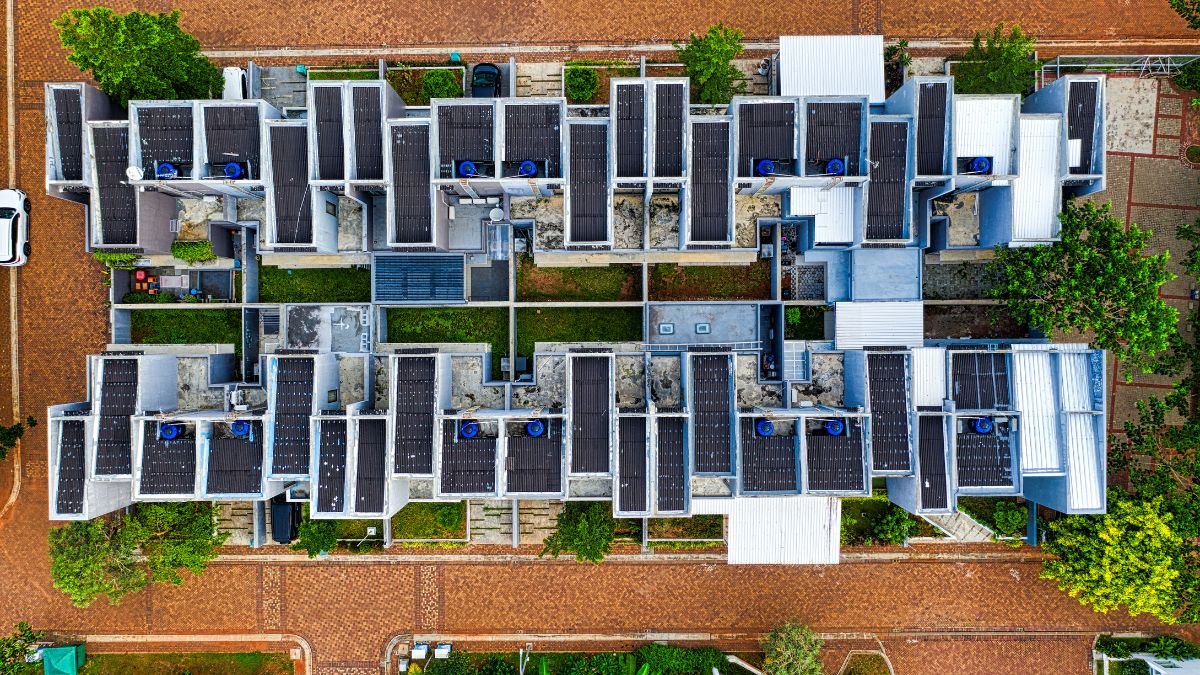
Buying or building a new home is one of the best times to invest in solar energy. Instead of adding solar panels years later, homeowners can design their house with energy savings in mind from day one.
Hybrid solar systems in new homes in USA have become one of the fastest-growing choices for modern homeowners. These systems combine solar panels, battery storage, and the electrical grid. As a result, they provide clean electricity during the day, store extra energy for later, and still use grid power when needed.
This combination offers more flexibility than a traditional grid-tied solar system. It can also help lower electricity bills, provide backup power during outages, and increase the value of a new home.
In this guide, you’ll learn how hybrid solar systems work, their advantages, costs, installation process, common mistakes to avoid, and whether they are the right investment for your new home in 2026.
Table of Contents
- What Is a Hybrid Solar System?
- How Does a Hybrid Solar System Work?
- Why New Homes Are Ideal for Hybrid Solar
- Hybrid vs Grid-Tied vs Off-Grid Systems
- Main Components
- Benefits of Hybrid Solar Systems
- Costs in 2026
- Federal and State Incentives
- Choosing the Right System Size
- Installation Tips
- Common Mistakes
- Frequently Asked Questions
- Conclusion
- Key Takeaways
What Is a Hybrid Solar System?
A hybrid solar system is a solar power setup that combines:
- Solar panels
- Battery storage
- Hybrid inverter
- Connection to the utility grid
Unlike a standard solar system that sends extra electricity directly to the grid, a hybrid system stores extra energy in batteries first. Homeowners can then use that stored electricity at night, during cloudy weather, or during a power outage.
This setup provides both energy savings and greater energy security.
How Does a Hybrid Solar System Work?
The system follows a simple process:
- Solar panels produce electricity during daylight.
- The home uses solar power first.
- Extra electricity charges the battery.
- If the battery becomes full, excess energy is sent to the utility grid.
- At night, the battery powers the home.
- If both solar and battery power are unavailable, electricity comes from the grid.
This automatic switching happens within seconds without homeowner intervention.
Why New Homes Are Ideal for Hybrid Solar Systems in USA
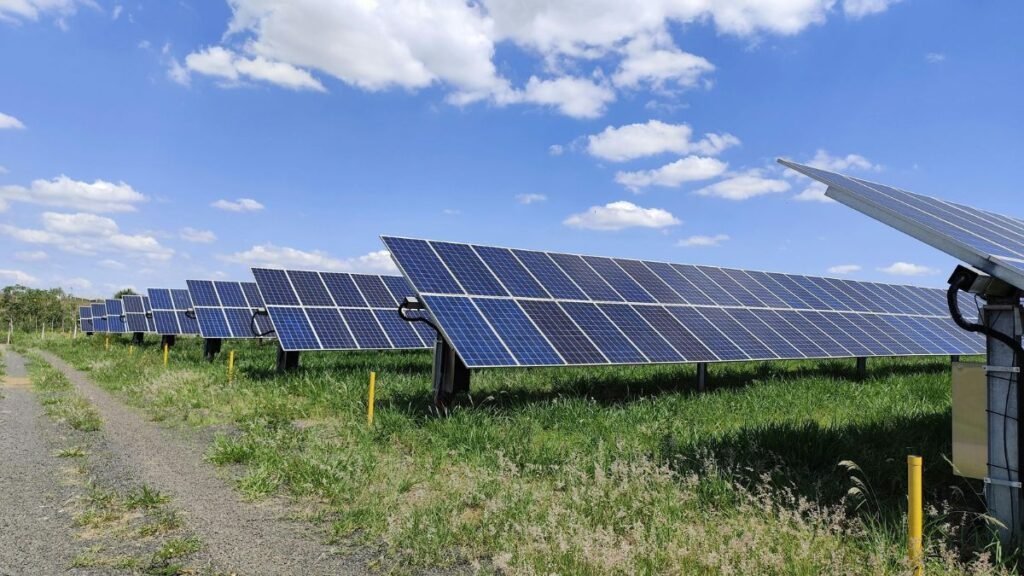
Installing solar during construction is usually easier and less expensive than adding it later.
Builders can design the roof for maximum sunlight, install electrical wiring before walls are finished, and reserve space for battery storage from the beginning.
Benefits include:
- Lower installation costs
- Cleaner electrical design
- Better roof layout
- Easier permit process
- Higher home resale value
- Improved energy efficiency
Many new homes are also built with energy-efficient appliances, better insulation, and smart home technology. These features work perfectly with a hybrid solar system.
Hybrid vs Grid-Tied vs Off-Grid Solar Systems
| Feature | Hybrid Solar | Grid-Tied Solar | Off-Grid Solar |
| Battery Storage | Yes | No | Yes |
| Utility Grid Connection | Yes | Yes | No |
| Backup During Outages | Yes | Usually No | Yes |
| Lower Electric Bills | Excellent | Very Good | Excellent |
| Energy Independence | High | Medium | Complete |
| Installation Cost | Higher | Lower | Highest |
For most new homes in the USA, hybrid systems provide the best balance between cost, reliability, and convenience.
Main Components of a Hybrid Solar System
Solar Panels
Solar panels capture sunlight and convert it into electricity.
Modern residential panels are more efficient than ever, helping homeowners generate more power from the same roof space.
Hybrid Inverter
The inverter converts direct current (DC) electricity into alternating current (AC) used by household appliances.
A hybrid inverter also manages battery charging and communication with the utility grid.
Battery Storage
Batteries store excess solar energy for later use.
They provide:
- Nighttime electricity
- Backup during outages
- Reduced reliance on the grid
- Better use of self-generated solar power
Monitoring System
Most modern systems include smartphone apps that allow homeowners to monitor:
- Daily production
- Battery charge level
- Electricity usage
- Savings
- System performance
Benefits of Hybrid Solar Systems in New Homes
Lower Electricity Bills
Homeowners buy less electricity from the utility company.
Over time, these savings can become significant, especially where electricity prices continue to rise.
Backup Power During Outages
Power outages are becoming more common in some parts of the country.
A hybrid system keeps important appliances running, including:
- Refrigerator
- Lights
- Internet
- Medical devices
- Security systems
Better Energy Independence
Hybrid systems reduce dependence on utility companies.
Even if electricity prices increase, homeowners can continue producing much of their own power.
Increased Home Value
Energy-efficient homes are attractive to buyers.
A professionally installed hybrid solar system may improve resale value because future owners benefit from lower energy costs.
Lower Carbon Footprint
Solar energy produces electricity without burning fossil fuels.
Choosing renewable energy helps reduce greenhouse gas emissions and supports a cleaner environment.
How Much Does a Hybrid Solar System Cost in 2026?
The total price depends on several factors:
- Home size
- Roof size
- Solar panel capacity
- Battery size
- Local labor costs
- Electrical upgrades
Here is a general estimate.
| System Size | Estimated Cost Before Incentives |
| 5 kW | $16,000–$24,000 |
| 8 kW | $22,000–$34,000 |
| 10 kW | $28,000–$42,000 |
Adding battery storage increases the overall cost, but it also improves energy independence and backup power.
Remember that actual pricing varies by location, equipment choices, and installer.
Federal and State Incentives
Many homeowners may qualify for financial incentives that reduce installation costs.
Possible incentives include:
- Federal residential clean energy tax credit
- State tax credits
- Utility rebates
- Net metering programs
- Local energy grants
Available incentives differ by state and utility provider, so homeowners should check current programs before installation.
Choosing the Right System Size
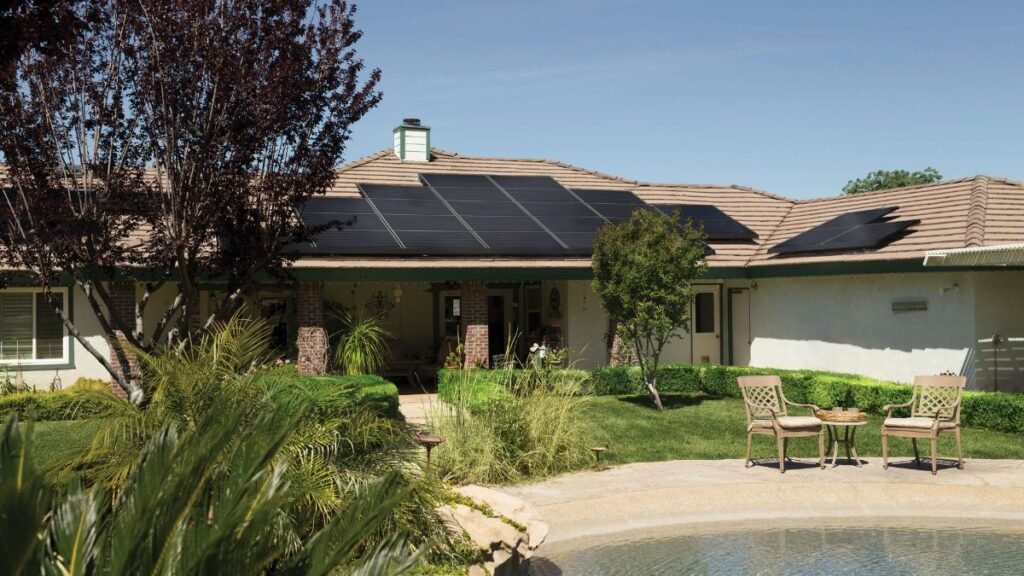
Every home has different energy needs.
Consider:
- Family size
- Average monthly electricity use
- Electric vehicle charging
- Future home additions
- Air conditioning usage
- Home office equipment
- Swimming pools
- Heat pumps
A professional solar assessment helps determine the correct system size for long-term savings.
Installation Tips for New Homeowners
Planning ahead leads to better results.
Here are some useful tips:
- Choose a south-facing roof when possible.
- Minimize roof shading.
- Install energy-efficient appliances.
- Reserve space for battery storage.
- Use a licensed solar installer.
- Ask about future battery expansion.
- Review warranty coverage carefully.
- Keep all permits and documentation.
Common Mistakes to Avoid
Many homeowners can avoid unnecessary costs with careful planning.
Common mistakes include:
- Buying a system that is too small
- Ignoring future electricity needs
- Choosing the cheapest installer
- Forgetting battery backup requirements
- Installing on shaded roofs
- Skipping maintenance recommendations
- Not comparing multiple installation quotes
Taking time to research now can prevent expensive upgrades later.
Practical Tips for Getting the Best Return
To maximize long-term savings:
- Compare several certified installers.
- Use high-efficiency solar panels.
- Consider battery storage from the beginning.
- Monitor energy use through a mobile app.
- Keep panels clean when needed.
- Trim nearby trees that create shade.
- Schedule occasional system inspections according to the installer’s recommendations.
These simple steps help maintain strong system performance over many years.
Is a Hybrid Solar System Worth It?
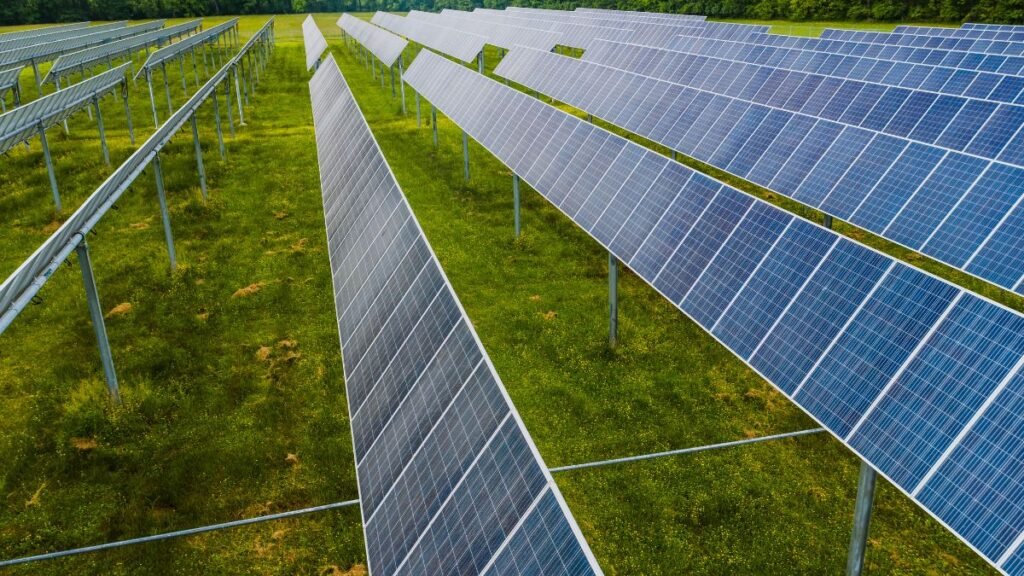
For many new homeowners, the answer is yes.
Hybrid systems offer several long-term benefits:
- Lower monthly utility bills
- Greater energy independence
- Backup power during outages
- Increased property value
- Cleaner energy production
Although the upfront investment is higher than a basic grid-tied system, many homeowners value the added resilience and flexibility.
Whether it is the right choice depends on your energy use, local electricity rates, available incentives, budget, and long-term goals.
Frequently Asked Questions
1. What is the difference between a hybrid solar system and a regular solar system?
A regular grid-tied system usually has no battery storage. A hybrid system includes batteries that store extra solar energy for later use and can provide backup power during outages.
2. Can a hybrid solar system power an entire home?
Yes. If properly sized, a hybrid system can supply most or all of a home’s electricity needs. During extended periods of low solar production, the home can still draw power from the grid.
3. Are hybrid solar systems expensive?
They cost more than traditional grid-tied systems because batteries add to the overall price. However, many homeowners find the additional backup power and energy savings worthwhile.
4. How long do solar batteries last?
Most modern home batteries are designed to last for many years. Battery lifespan depends on the type of battery, usage patterns, environmental conditions, and maintenance.
5. Do hybrid solar systems work during cloudy weather?
Yes. Solar panels still produce electricity on cloudy days, although output is reduced. Stored battery energy and grid power help maintain a reliable electricity supply.
6. Can I add more batteries later?
Many hybrid systems allow homeowners to expand battery storage in the future, depending on the equipment used.
7. Will a hybrid solar system increase my home’s value?
Many buyers appreciate lower energy costs and backup power capabilities, which can make homes with hybrid solar systems more attractive in the real estate market.
Conclusion
Hybrid solar systems in new homes in USA are becoming a smart choice for homeowners who want lower electricity bills, reliable backup power, and greater energy independence. By combining solar panels, battery storage, and a grid connection, these systems offer flexibility that traditional solar setups cannot match.
Planning for hybrid solar during the construction of a new home often leads to easier installation and better long-term performance. While the upfront investment is higher than standard solar systems, available incentives and ongoing energy savings can improve overall value over time.
Before making a final decision, compare several qualified installers, review warranties, estimate your future energy needs, and confirm available incentives in your area.