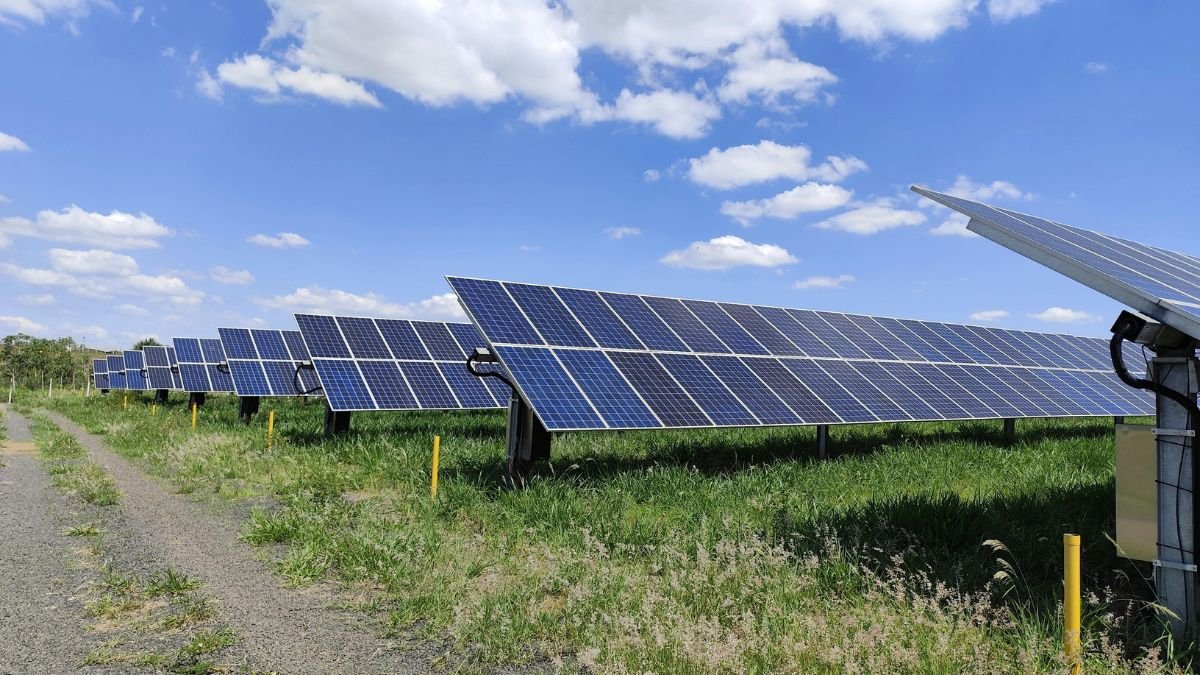
Many people believe solar panels only work on bright, sunny days. That is not true. Best solar panels for cloudy conditions still produce electricity when the sky is cloudy. While their output is lower than on sunny days, the right panel can continue generating useful power throughout the year.
If you live in an area with frequent clouds, rain, or fog, choosing the right solar panel is even more important. Some models are designed to capture more sunlight in low-light conditions, making them a smart investment for homes in cooler climates.
In this guide, you’ll learn what makes certain panels perform better in cloudy weather, which technologies offer the best results, and what features to look for before making your purchase.
What Are the Best Solar Panels for Cloudy Weather?
The best solar panels for cloudy weather are high-efficiency monocrystalline solar panels with excellent low-light performance, advanced cell technology, and strong temperature ratings.
Some premium manufacturers also use advanced technologies such as:
- Half-cut solar cells
- Multi-busbar designs
- TOPCon cells
- Heterojunction (HJT) technology
- Back-contact cell designs
These improvements help capture more energy throughout the day, especially during cloudy mornings, winter afternoons, and overcast conditions.
Which Solar Panels Work Best in Cloudy Conditions?
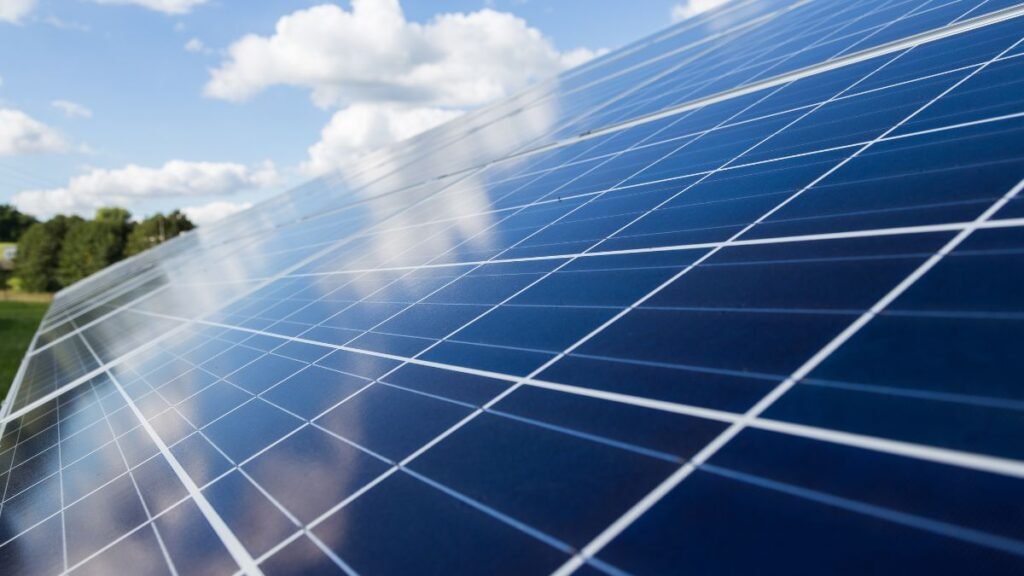
Solar panels do not need direct sunlight to produce electricity. They generate power from daylight.
Even when clouds block part of the sun, enough light usually reaches the panels to create electricity. Production simply drops because less sunlight reaches the solar cells.
On a heavily overcast day, many residential systems still produce around 10% to 40% of their normal output. Thin cloud cover often has only a small effect, while thick storm clouds reduce production much more.
Snow, rain, and fog can also affect output, but they do not stop solar panels from working.
What affects energy production?
Several factors influence how much electricity your panels generate during cloudy weather.
These include:
- Cloud thickness
- Time of day
- Roof direction
- Roof angle
- Panel efficiency
- Temperature
- Shade from nearby trees or buildings
Interestingly, solar panels often operate more efficiently in cool temperatures than in extreme heat. This is one reason many cooler regions still achieve excellent annual solar production.
Why Some Solar Panels Perform Better in Low Light
Not all solar panels perform the same under cloudy skies.
The biggest difference comes from how efficiently each panel converts available sunlight into electricity.
Panels with better low-light performance continue producing useful energy even when sunlight is weak.
High Efficiency Matters
Higher efficiency means more electricity from the same amount of sunlight.
For example:
| Panel Efficiency | Performance in Low Light |
| 18% | Good |
| 20% | Better |
| 22%+ | Excellent |
A small increase in efficiency can make a noticeable difference over an entire year.
Better Cell Technology
Modern manufacturers continue improving solar cell design.
Some technologies collect more sunlight and reduce energy loss inside the panel.
Examples include:
TOPCon Technology
TOPCon panels reduce energy loss and improve efficiency in low-light conditions.
Benefits include:
- Higher energy output
- Better cloudy-day performance
- Longer lifespan
- Improved reliability
Heterojunction (HJT)
HJT combines different semiconductor layers to capture more available sunlight.
Advantages include:
- Excellent low-light performance
- Better efficiency
- Lower heat losses
- Longer durability
Back-Contact Cells
Instead of placing electrical contacts on the front of the panel, manufacturers move them to the back.
This allows more sunlight to reach the solar cells.
Benefits include:
- Higher efficiency
- Better appearance
- Improved low-light production
Best Solar Panels types for cloudy weather
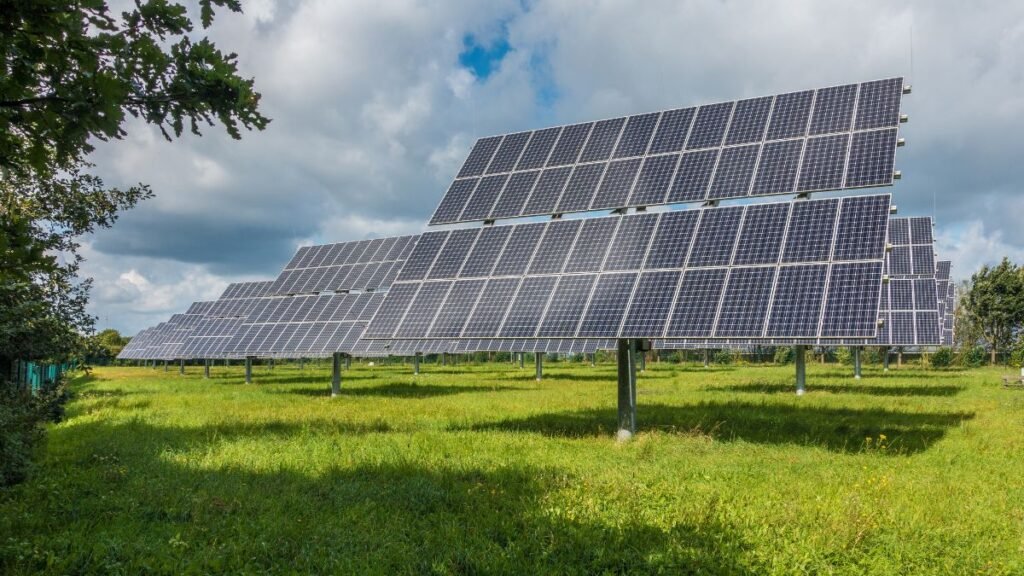
Understanding the three main types of solar panels makes choosing much easier.
Monocrystalline Solar Panels
These are widely considered the best choice for cloudy climates.
Advantages:
- Highest efficiency
- Excellent low-light performance
- Long lifespan
- Smaller roof space needed
- Better return on investment
Disadvantages:
- Higher upfront cost
Best for:
- Homes in cloudy regions
- Small roofs
- Homeowners planning long-term savings
Polycrystalline Solar Panels
Polycrystalline panels cost less but usually have lower efficiency.
Advantages:
- Lower purchase price
- Reliable performance
- Good durability
Disadvantages:
- Lower efficiency
- Less electricity in cloudy weather
- Requires more roof space
Best for:
- Budget-conscious homeowners with large roofs
Thin-Film Solar Panels
Thin-film panels are lightweight and flexible but usually produce less electricity per square foot.
Advantages:
- Lightweight
- Flexible installation
- Good performance in partial shade
Disadvantages:
- Lowest efficiency
- Larger installation area
- Shorter lifespan in many cases
Best for:
- Commercial buildings
- Large open spaces
- Specialized applications
Which Type Wins?
For most homeowners, monocrystalline panels remain the clear winner.
| Feature | Monocrystalline | Polycrystalline | Thin Film |
| Efficiency | ⭐⭐⭐⭐⭐ | ⭐⭐⭐ | ⭐⭐ |
| Cloudy Weather | ⭐⭐⭐⭐⭐ | ⭐⭐⭐ | ⭐⭐⭐ |
| Lifespan | 25–40 years | 25–30 years | 10–25 years |
| Roof Space Needed | Low | Medium | High |
| Cost | Higher | Medium | Lower |
Best Solar Panels for Cloudy Weather in 2026
Many solar manufacturers now offer premium panels that perform well in low-light conditions. While the right choice depends on your budget, roof size, and energy needs, the following options are widely recognized for their efficiency and reliability.
1. Maxeon 7 Series
The Maxeon 7 Series is known for its exceptional efficiency and strong performance throughout the year. Its advanced cell design helps generate more electricity during cloudy days compared to many standard panels.
Highlights:
- Very high efficiency
- Excellent low-light performance
- Strong warranty
- Long expected lifespan
- Great choice for homes with limited roof space
2. REC Alpha Pure-R
The REC Alpha Pure-R combines high efficiency with dependable performance in different weather conditions. It is designed to deliver stable energy production even when sunlight is limited.
Why homeowners like it:
- High energy output
- Good temperature performance
- Durable construction
- Reliable warranty coverage
3. Panasonic EVERVOLT Series
Panasonic’s EVERVOLT panels use advanced technology to reduce power loss and improve efficiency. They are especially well suited for homeowners looking for dependable year-round performance.
Key benefits:
- Strong low-light performance
- Excellent reliability
- Good efficiency in cool climates
- High-quality manufacturing
4. Canadian Solar TOPHiKu Series
The Canadian Solar TOPHiKu Series offers a strong mix of performance and value. It uses advanced TOPCon cell technology to improve efficiency, especially during cloudy or low-light conditions.
Best Features
- High energy output
- Good value for the price
- Reliable low-light performance
- Built to handle different weather conditions
Best for: Homeowners who want a balance between performance and affordability.
5. JinkoSolar Tiger Neo
The JinkoSolar Tiger Neo series is another excellent option for homes in cloudy regions. It uses N-type TOPCon technology to improve efficiency and reduce long-term power loss.
Best Features
- High efficiency
- Strong performance in low light
- Good durability
- Competitive pricing
Best for: Homeowners looking for premium performance without the highest premium price.
Features to Look for Before Buying Solar Panels
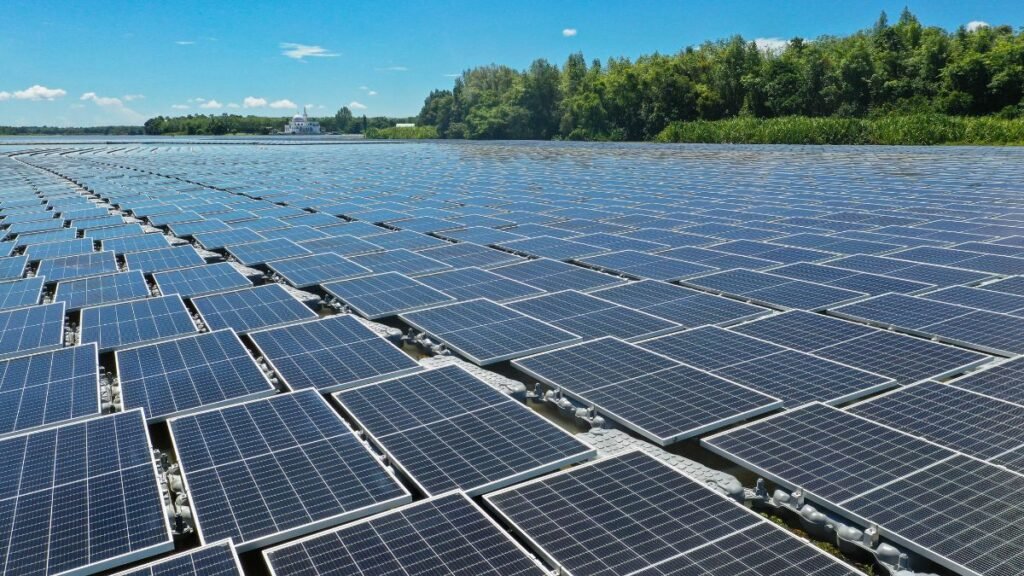
Choosing the right panel involves more than looking at the brand name. Focus on the features that affect long-term performance.
1. High Efficiency Rating
Look for panels with an efficiency rating of 21% or higher if your budget allows.
Higher efficiency means:
- More electricity from the same roof space
- Better performance during cloudy weather
- Greater long-term energy savings
2. Strong Low-Light Performance
Manufacturers often provide information about how their panels perform in low-light conditions.
This feature is especially important if you live in:
- Rainy regions
- Coastal areas
- Northern climates
- Places with long winters
3. Low Temperature Coefficient
Solar panels naturally lose some efficiency as temperatures rise.
A lower temperature coefficient means the panel performs better during hot summer days while still producing efficiently in cooler weather.
4. Long Warranty
A quality solar panel should include:
- Product warranty: 25 years or longer
- Performance warranty: 25–30 years
A longer warranty shows the manufacturer has confidence in its product.
5. Certified Quality
Choose panels tested by recognized certification organizations. Certified panels have passed safety, durability, and performance standards.
Comparison Table
| Solar Panel | Efficiency | Low-Light Performance | Warranty | Best For |
| Maxeon 7 Series | Excellent | Excellent | 40 years* | Maximum performance |
| REC Alpha Pure-R | Excellent | Excellent | 25 years | Premium homes |
| Panasonic EVERVOLT | Excellent | Very Good | 25 years | Cold climates |
| Canadian Solar TOPHiKu | Very Good | Very Good | 25 years | Best value |
| JinkoSolar Tiger Neo | Very Good | Very Good | 25 years | Budget-friendly premium |
*Warranty terms vary by region and installer.
Practical Tips to Get More Power on Cloudy Days
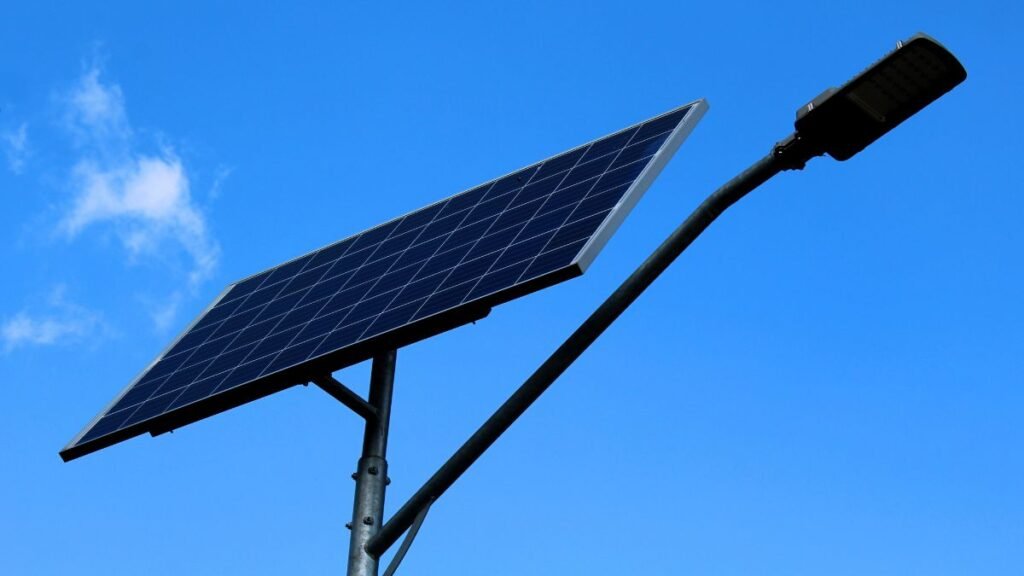
Even the best solar panels perform better when installed correctly.
Here are simple ways to improve energy production:
Keep Panels Clean
Dust, leaves, bird droppings, and pollen can reduce sunlight reaching the cells.
Clean panels safely according to the manufacturer’s recommendations or hire a professional if needed.
Reduce Shade
Trim trees or remove objects that cast shadows on your roof.
Even small areas of shade can reduce the output of a solar array.
Choose the Right Roof Angle
A professional installer can recommend the best tilt angle based on your location.
Proper positioning helps capture more sunlight throughout the year.
Use a High-Quality Inverter
The inverter converts the electricity generated by your panels into usable power for your home.
A quality inverter can improve the overall performance of your solar system.
Consider Battery Storage
A home battery stores extra electricity produced during the day.
You can use that stored energy:
- At night
- During storms
- On very cloudy days
- During power outages (if your system supports backup power)
Common Mistakes to Avoid
Many homeowners focus only on price.
Instead, consider the total value over the panel’s lifetime.
Avoid these common mistakes:
- Buying the cheapest panels without checking efficiency
- Ignoring warranty coverage
- Choosing the wrong installer
- Overlooking roof shading
- Not comparing long-term energy production
- Forgetting maintenance requirements
- Assuming all solar panels perform the same
Are Solar Panels Worth It in Cloudy Climates?
In most cases, yes.
Countries with many cloudy days continue to produce significant amounts of solar electricity every year. Modern solar technology captures both direct and indirect sunlight, allowing homeowners to lower electricity bills even in less sunny regions.
The key is choosing efficient panels, working with a qualified installer, and designing the system for your home’s specific conditions.
Frequently Asked Questions
1. Do solar panels work when it is cloudy?
Yes. Solar panels generate electricity from daylight, not just direct sunshine. Output decreases on cloudy days, but they continue producing power.
2. Which type of solar panel is best for cloudy weather?
Monocrystalline panels are generally the best choice because they offer the highest efficiency and excellent low-light performance.
3. How much power do solar panels produce on cloudy days?
Production varies depending on cloud cover, panel quality, and system design. Many systems generate about 10% to 40% of their normal output during heavily overcast conditions.
4. Does rain help solar panels?
Rain can wash away dust and dirt, helping keep panels cleaner. Cleaner panels often perform more efficiently once sunlight returns.
5. Should I install a battery with my solar system?
A battery is not required, but it can increase energy independence by storing excess electricity for use at night or during periods of low sunlight.
6. Do solar panels work in winter?
Yes. Solar panels continue producing electricity during winter as long as sunlight reaches the panels. Cold temperatures can even improve panel efficiency, although shorter days may reduce total energy production.
7. How long do quality solar panels last?
Most premium solar panels last 25 to 40 years with proper installation and maintenance. Over time, they gradually produce slightly less electricity, but many continue operating well beyond their warranty period.
Conclusion
Choosing the best solar panels for cloudy weather can make a noticeable difference in your home’s energy production throughout the year. Modern high-efficiency monocrystalline panels, especially those using advanced technologies such as TOPCon, HJT, and back-contact cells, perform well even when sunshine is limited.
Instead of focusing only on the purchase price, compare efficiency, warranty coverage, durability, and low-light performance. A well-designed solar system installed by an experienced professional can provide dependable energy savings for decades, even in regions with frequent clouds.