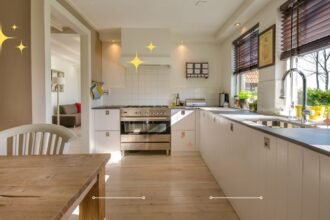
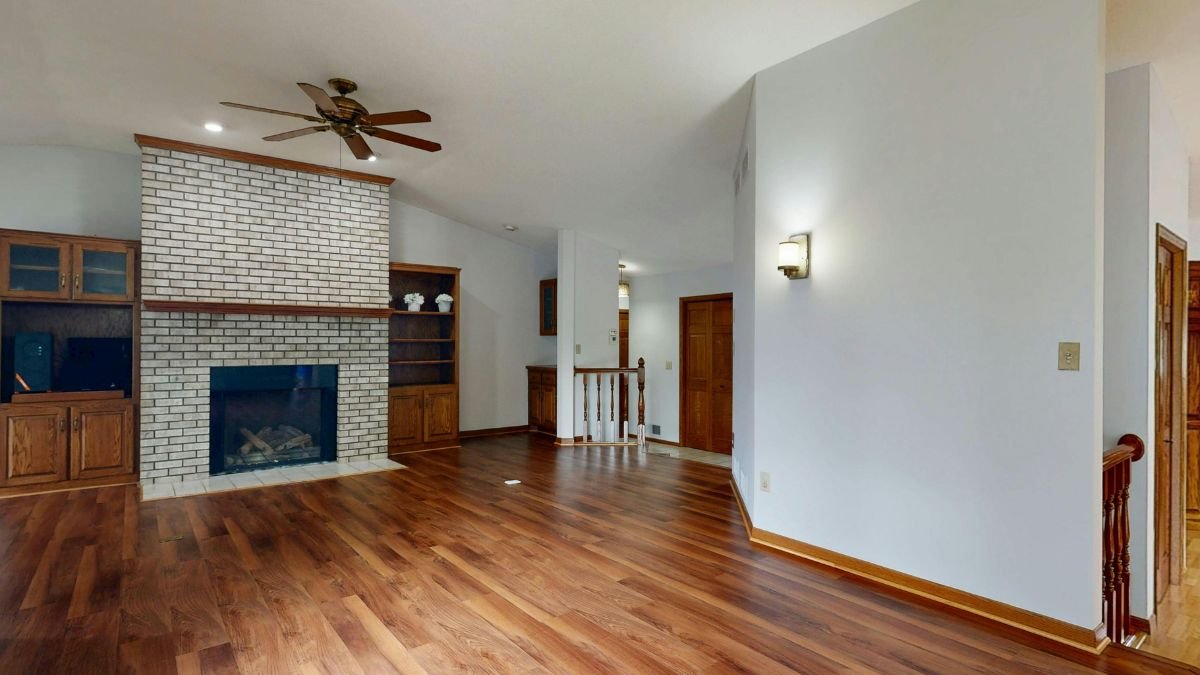
Choosing the best flooring for your home is one of the biggest decisions you will make during a renovation or a new home project. Your floor affects the look of every room, how comfortable your home feels, and even its value.
With so many flooring options available today, finding the right one can feel confusing. Should you choose hardwood? Is vinyl flooring better for families? Are tiles the best option for wet areas? Every flooring material has its own strengths and weaknesses.
This guide explains everything in simple language. You will learn about different flooring materials, their pros and cons, where each type works best, and how to choose a floor that fits your budget and lifestyle.
Whether you are updating one room or your entire house, this guide will help you make a smart and confident decision.
Table of Contents
- What Is Flooring?
- Why Choosing the Right Flooring Matters
- Different Types of Flooring
- Hardwood Flooring
- Laminate Flooring
- Vinyl Flooring
- Tile Flooring
- Carpet Flooring
- Bamboo Flooring
- Cork Flooring
- Natural Stone Flooring
- Flooring Comparison Table
- How to Choose the Best Flooring for Every Room
What Is Flooring?
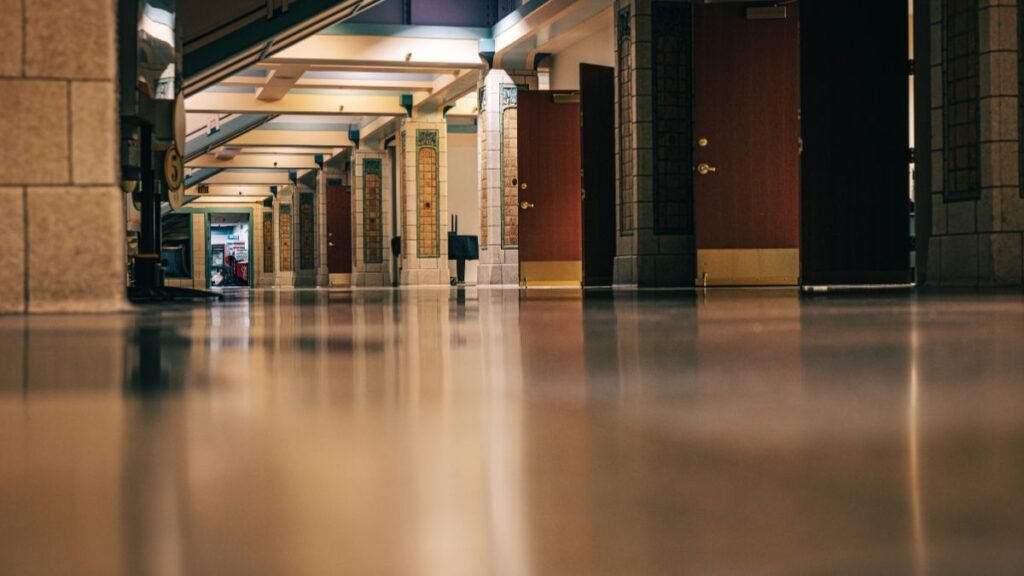
Flooring is the material installed on the surface of your home’s floor. It provides a safe walking area while improving the beauty, comfort, and function of each room.
Modern flooring comes in many styles, colors, textures, and materials. Some are made for luxury, while others focus on durability, water resistance, or affordability.
The best flooring for your home depends on several factors, including:
- Your budget
- Room location
- Family size
- Pets
- Moisture levels
- Maintenance needs
- Personal style
Instead of choosing the most expensive flooring, choose the one that best fits your daily life.
Why Choosing the Right Flooring Matters

Many homeowners focus only on furniture and wall colors. However, flooring is the foundation of every room.
Good flooring can:
- Improve your home’s appearance
- Increase property value
- Make cleaning easier
- Reduce maintenance costs
- Improve indoor comfort
- Lower noise levels
- Last for decades when properly maintained
Poor flooring choices can lead to expensive repairs, frequent replacements, and daily frustration.
That is why spending time researching different flooring options is always worthwhile.
Types of Flooring for Homes
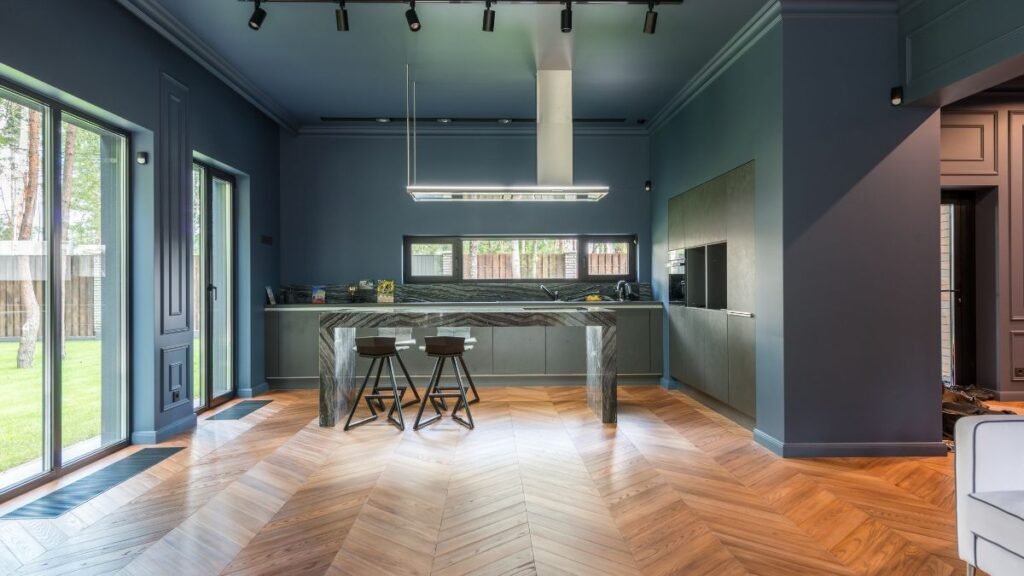
Each flooring material offers different benefits. Understanding them makes choosing much easier.
Hardwood Flooring
Hardwood flooring remains one of the most popular choices for homeowners.
It is made from solid wood such as oak, maple, walnut, or hickory. Because it is natural, every plank has a unique grain pattern.
Benefits
- Beautiful natural appearance
- Long lifespan
- Can be refinished multiple times
- Adds value to your home
- Timeless style
Drawbacks
- Higher cost
- Can scratch easily
- Sensitive to water
- Needs regular maintenance
Best For
- Living rooms
- Dining rooms
- Bedrooms
- Hallways
Laminate Flooring
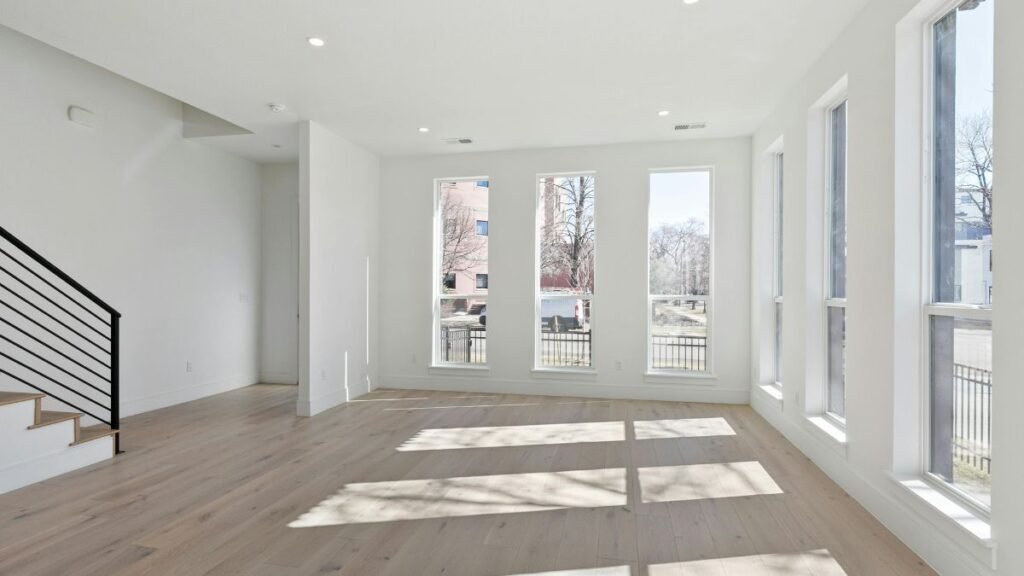
Laminate flooring looks similar to hardwood but costs much less.
It uses several layers of compressed material with a printed decorative surface.
Modern laminate flooring looks surprisingly realistic.
Benefits
- Budget-friendly
- Scratch resistant
- Easy to install
- Many designs available
- Low maintenance
Drawbacks
- Cannot be refinished
- Less durable than hardwood
- Water can damage some products
Best For
- Bedrooms
- Living rooms
- Home offices
- Rental properties
Luxury Vinyl Flooring (LVP & LVT)
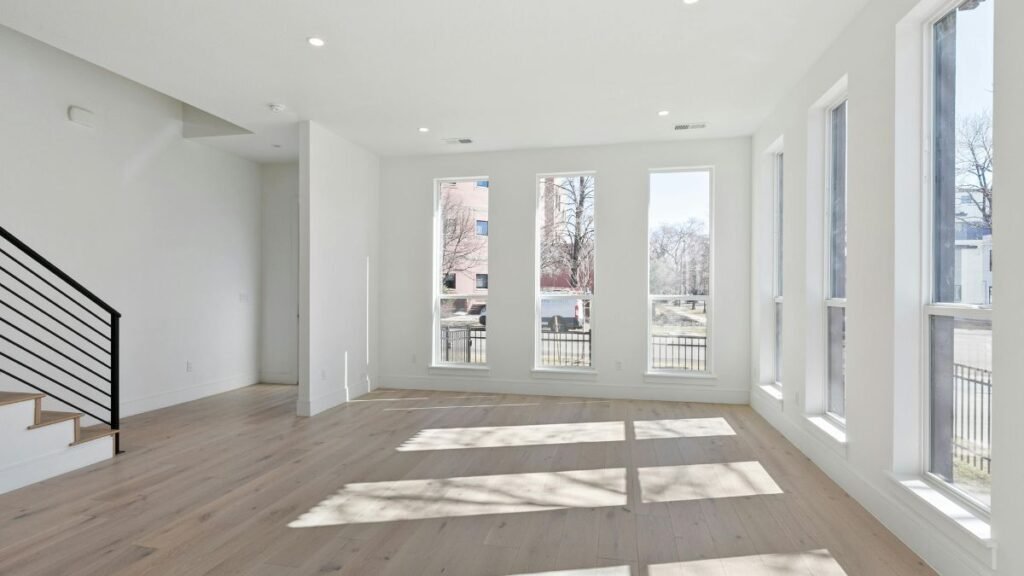
Luxury vinyl flooring has become one of the fastest-growing flooring choices in recent years.
Many homeowners prefer it because it combines style, durability, and water resistance.
Luxury Vinyl Plank (LVP) looks like hardwood.
Luxury Vinyl Tile (LVT) looks like ceramic or stone.
Benefits
- Waterproof
- Affordable
- Comfortable to walk on
- Easy maintenance
- Pet-friendly
- Child-friendly
Drawbacks
- May fade under direct sunlight
- Lower resale value than hardwood
- Not all products are equally durable
Best For
- Kitchens
- Bathrooms
- Basements
- Laundry rooms
- Busy family homes
Tile Flooring
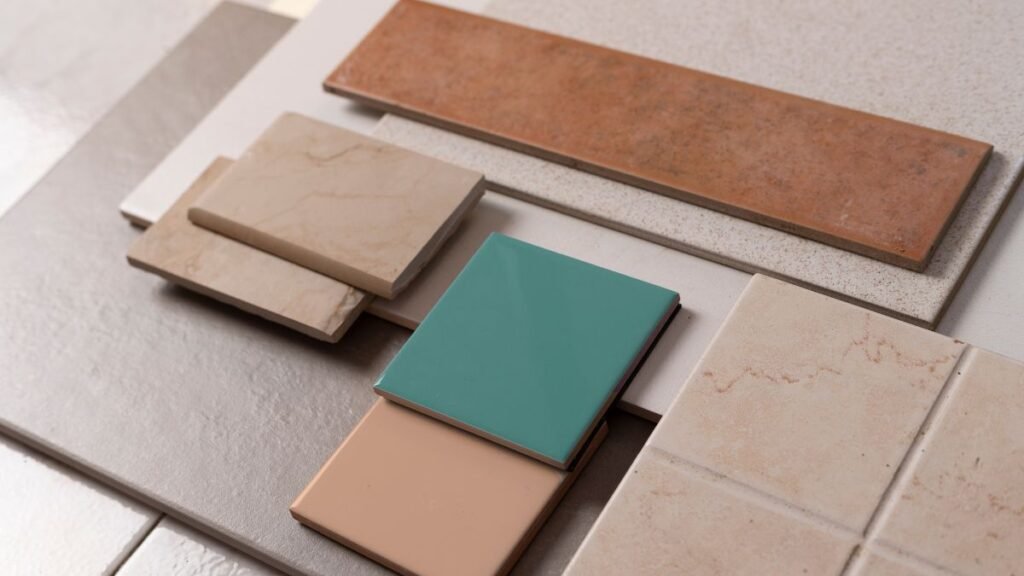
Tile flooring is one of the most durable flooring materials available.
It is commonly made from ceramic or porcelain.
Because tiles resist water, they are ideal for wet areas.
Benefits
- Waterproof
- Fire resistant
- Extremely durable
- Easy to clean
- Available in countless designs
Drawbacks
- Cold underfoot
- Hard surface
- Professional installation often required
Best For
- Bathrooms
- Kitchens
- Entryways
- Laundry rooms
Carpet Flooring
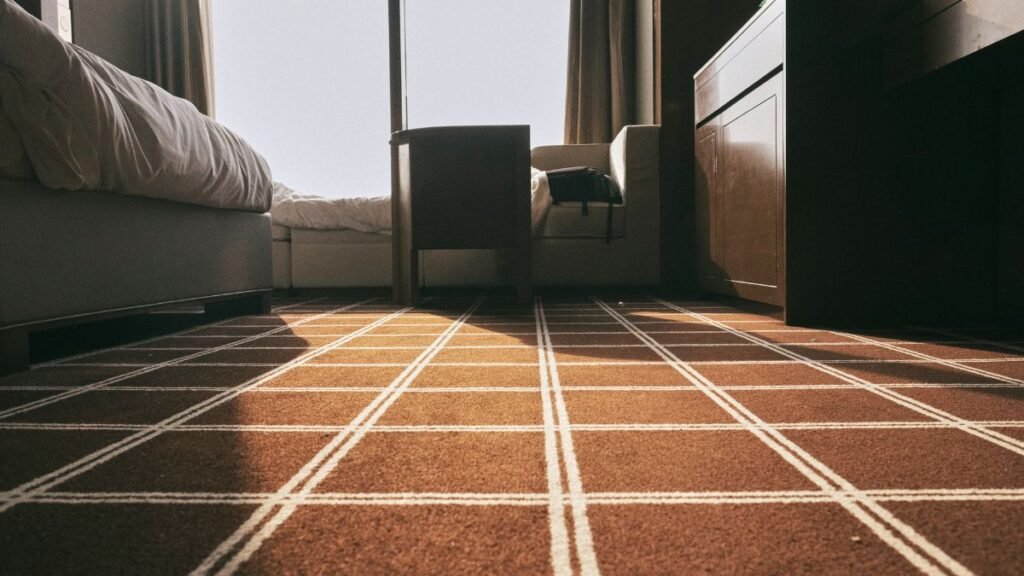
Carpet remains a favorite choice for homeowners who value comfort.
It provides warmth and reduces noise throughout the house.
Modern carpets are available in many textures and colors.
Benefits
- Soft and comfortable
- Warm during winter
- Excellent sound insulation
- Safer for children
Drawbacks
- Stains easily
- Holds dust and allergens
- Requires regular vacuuming
- Shorter lifespan
Best For
- Bedrooms
- Family rooms
- Home theaters
- balcony
Bamboo Flooring
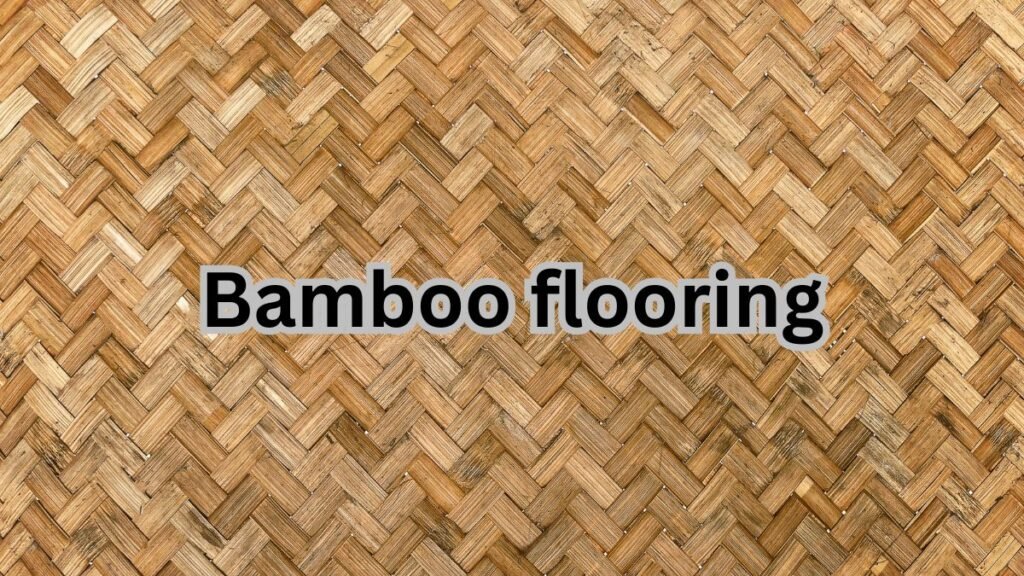
Bamboo flooring is becoming more popular among environmentally conscious homeowners.
Although it looks like hardwood, bamboo grows much faster than traditional trees.
Benefits
- Eco-friendly
- Attractive appearance
- Durable
- Renewable material
Drawbacks
- Can scratch
- Moisture sensitive
- Quality varies by manufacturer
Best For
- Living rooms
- Bedrooms
- Dining rooms
Cork Flooring
Cork flooring is made from the bark of cork oak trees.
It feels softer than many other flooring materials and provides natural insulation.
Benefits
- Comfortable
- Quiet
- Eco-friendly
- Naturally warm
- Good insulation
Drawbacks
- Can dent under heavy furniture
- Needs sealing
- Sensitive to standing water
Best For
- Bedrooms
- Home offices
- Children’s rooms
Natural Stone Flooring
Natural stone flooring creates a luxurious appearance.
Popular choices include:
- Marble
- Granite
- Slate
- Travertine
- Limestone
Every stone floor is unique.
Benefits
- Premium appearance
- Extremely durable
- Long lifespan
- Adds home value
Drawbacks
- Expensive
- Heavy
- Needs sealing
- Professional installation required
Best For
- Luxury homes
- Entryways
- Kitchens
- Living rooms
Flooring Comparison Table
| Flooring Type | Durability | Water Resistance | Cost | Maintenance | Best For |
| Hardwood | ⭐⭐⭐⭐⭐ | ⭐⭐ | High | Medium | Living Room |
| Laminate | ⭐⭐⭐⭐ | ⭐⭐⭐ | Low | Easy | Bedrooms |
| Luxury Vinyl | ⭐⭐⭐⭐⭐ | ⭐⭐⭐⭐⭐ | Medium | Easy | Kitchen & Bathroom |
| Tile | ⭐⭐⭐⭐⭐ | ⭐⭐⭐⭐⭐ | Medium-High | Easy | Bathrooms |
| Carpet | ⭐⭐⭐ | ⭐ | Medium | High | Bedrooms |
| Bamboo | ⭐⭐⭐⭐ | ⭐⭐ | Medium | Medium | Living Room |
| Cork | ⭐⭐⭐ | ⭐⭐ | Medium | Medium | Office |
| Stone | ⭐⭐⭐⭐⭐ | ⭐⭐⭐⭐ | High | Medium | Luxury Homes |
How to Choose the Best Flooring for Every Room
Not every flooring material is suitable for every space. The best choice depends on how the room is used, how much moisture it receives, and the amount of daily foot traffic.
Living Room
The living room is often the heart of the home. It should feel comfortable while also making a strong first impression.
Good choices include:
- Hardwood flooring
- Luxury vinyl plank
- High-quality laminate
- Engineered wood
These options offer a balance of style, durability, and long-term value.
Kitchen
Kitchen floors face frequent spills, dropped utensils, and heavy foot traffic.
Look for flooring that is:
- Waterproof
- Easy to clean
- Durable
- Scratch resistant
Luxury vinyl and porcelain tile are among the most practical choices for modern kitchens.
Bathroom
Bathrooms require flooring that can handle constant moisture.
The best options include:
- Porcelain tile
- Ceramic tile
- Waterproof luxury vinyl
Avoid solid hardwood in bathrooms because standing water can cause swelling and damage.
Flooring Installation Methods
Installing new flooring is just as important as choosing the right material. Even the best flooring may not perform well if it is installed incorrectly.
Some flooring types are easy enough for experienced DIY homeowners, while others should be installed by professionals.
Glue-Down Installation
Glue-down flooring uses a strong adhesive to attach the flooring directly to the subfloor.
Best For
- Luxury vinyl tiles
- Vinyl sheets
- Engineered wood
- Some carpet types
Pros
- Strong and stable
- Less movement over time
- Good for large spaces
Cons
- Difficult to remove
- Installation takes more time
- Usually requires professional help
Click-Lock (Floating Floor)
Click-lock flooring has become one of the most popular installation methods.
The planks snap together without glue or nails, creating a “floating” floor.
Best For
- Laminate flooring
- Luxury vinyl plank (LVP)
- Engineered wood
Pros
- Easy DIY installation
- Faster to install
- Easy to replace damaged planks
- Lower installation cost
Cons
- Needs a smooth subfloor
- Can sound hollow without proper underlayment
Nail-Down Installation
Solid hardwood flooring is often installed by nailing each plank to a wooden subfloor.
Pros
- Very secure
- Long-lasting
- Ideal for solid wood floors
Cons
- Professional installation recommended
- Takes longer
- Higher labor costs
Peel-and-Stick Flooring
Peel-and-stick flooring comes with a pre-applied adhesive backing.
It is often used for quick renovations or rental properties.
Pros
- Budget-friendly
- Simple installation
- Great for small rooms
Cons
- Shorter lifespan
- Not suitable for heavy traffic
- Limited design options
Flooring Costs in 2026
Flooring costs vary depending on the material, room size, installation method, and your location.
The table below provides estimated price ranges.
| Flooring Type | Material Cost | Installation Cost | Overall Budget |
| Laminate | Low | Low | Budget-Friendly |
| Carpet | Low to Medium | Medium | Affordable |
| Luxury Vinyl | Medium | Low to Medium | Great Value |
| Tile | Medium | High | Mid-Range |
| Hardwood | High | High | Premium |
| Bamboo | Medium | Medium | Mid-Range |
| Cork | Medium | Medium | Mid-Range |
| Natural Stone | Very High | Very High | Luxury |
Tip: Don’t focus only on the purchase price. Consider the total cost of ownership, including maintenance, repairs, and expected lifespan.
Waterproof vs. Water-Resistant Flooring
Many homeowners confuse waterproof and water-resistant flooring. They are not the same.
| Feature | Waterproof Flooring | Water-Resistant Flooring |
| Handles standing water | ✅ Yes | ❌ Limited |
| Best for bathrooms | ✅ Yes | ⚠️ Sometimes |
| Best for kitchens | ✅ Yes | ✅ Usually |
| Suitable for basements | ✅ Yes | ⚠️ Depends |
| Long-term moisture protection | Excellent | Moderate |
Waterproof Flooring Options
- Luxury vinyl plank (LVP)
- Luxury vinyl tile (LVT)
- Porcelain tile
- Ceramic tile
- Some waterproof laminate products
Water-Resistant Flooring Options
- Standard laminate
- Engineered hardwood
- Bamboo
- Cork (when sealed)
If your home has children, pets, or frequent spills, waterproof flooring is often the safer choice.
Flooring Maintenance Tips
Proper maintenance can help your flooring last for many years.
Hardwood Flooring
- Sweep regularly.
- Clean spills immediately.
- Use felt pads under furniture.
- Avoid excess water.
- Refinish when needed.
Laminate Flooring
- Dust often.
- Use a damp (not wet) mop.
- Avoid steam cleaners unless approved by the manufacturer.
- Clean spills quickly.
Luxury Vinyl Flooring
- Sweep or vacuum regularly.
- Mop with a mild cleaner.
- Avoid harsh chemicals.
- Place mats at entrances to reduce dirt.
Tile Flooring
- Mop weekly.
- Clean grout regularly.
- Repair cracked tiles quickly.
- Reseal natural stone when recommended.
Carpet Flooring
- Vacuum at least once a week.
- Remove stains immediately.
- Deep clean every 12–18 months.
- Rotate furniture to reduce wear patterns.
Eco-Friendly Flooring Options
Many homeowners now look for flooring that is both stylish and environmentally responsible.
Choosing sustainable materials can reduce your home’s environmental impact while improving indoor air quality.
Bamboo Flooring
Bamboo grows much faster than hardwood trees, making it a renewable flooring material.
Benefits
- Renewable resource
- Modern appearance
- Durable
- Lower environmental impact
Cork Flooring
Cork is harvested without cutting down the tree, allowing it to regrow naturally.
Benefits
- Renewable
- Comfortable
- Natural insulation
- Quiet underfoot
Reclaimed Wood Flooring
Reclaimed wood gives old timber a second life.
It creates a unique appearance while reducing demand for newly harvested wood.
Benefits
- Sustainable
- Character-rich design
- Durable
- Environmentally friendly
Best Flooring for Different Lifestyles
Your daily lifestyle should influence your flooring choice.
For Families with Children
Choose flooring that is:
- Scratch resistant
- Easy to clean
- Comfortable
- Durable
Good options include:
- Luxury vinyl plank
- Laminate
- Engineered hardwood
For Pet Owners
Pets can scratch floors and bring in dirt and moisture.
Look for flooring that offers:
- Scratch resistance
- Water resistance
- Easy cleaning
Recommended choices:
- Luxury vinyl
- Porcelain tile
- High-quality laminate
For Seniors
Safety and comfort are important.
Consider flooring with:
- Slip resistance
- Soft surfaces
- Easy maintenance
Suitable options include:
- Cork flooring
- Low-pile carpet
- Textured vinyl flooring
Common Flooring Mistakes to Avoid
Many homeowners regret their flooring choice because they overlook practical details.
Avoid these common mistakes.
1. Choosing Style Over Function
A beautiful floor is not always the best floor.
Always consider durability, moisture, and maintenance before appearance.
2. Ignoring Moisture Levels
Bathrooms, kitchens, and basements need moisture-resistant materials.
Installing hardwood in wet areas often leads to expensive repairs.
3. Forgetting About Maintenance
Some flooring needs regular sealing, polishing, or refinishing.
Choose a flooring type that matches the amount of maintenance you are willing to do.
4. Buying the Cheapest Option
Low-cost flooring may save money today but require replacement much sooner.
Think about long-term value instead of only the initial price.
5. Skipping Professional Installation
Improper installation can lead to:
- Uneven floors
- Gaps
- Water damage
- Squeaking
- Reduced lifespan
Hiring an experienced installer can prevent costly problems.
Expert Tips for Choosing the Best Flooring for Your Home
Use these practical tips before making your final decision.
- Set your budget before shopping.
- Consider the room’s purpose.
- Think about children and pets.
- Choose moisture-resistant flooring for wet areas.
- Request flooring samples and test them at home.
- Compare warranties from different manufacturers.
- Ask about long-term maintenance costs.
- Match the flooring with your home’s design style.
- Invest in a quality underlayment when needed.
- Choose trusted brands with good customer reviews.
Following these steps can help you select flooring that looks great and performs well for years.
Flooring Trends for 2026
Flooring trends continue to evolve as homeowners look for materials that are stylish, durable, and easy to maintain. In 2026, the focus is on natural designs, sustainable materials, and smart performance.
1. Wide Plank Flooring
Wide planks make rooms feel larger and create a modern, clean look. They are popular in both hardwood and luxury vinyl flooring.
Why homeowners love it
- Fewer seams
- Elegant appearance
- Makes small rooms look bigger
2. Natural Wood Tones
Warm and natural colors are replacing very dark or gray floors.
Popular shades include:
- Light oak
- Honey maple
- Natural walnut
- Soft beige wood
These colors match many interior design styles and create a welcoming atmosphere.
3. Waterproof Flooring
Waterproof flooring continues to grow in popularity because it offers peace of mind for busy households.
It is ideal for:
- Kitchens
- Bathrooms
- Laundry rooms
- Basements
- Homes with pets and children
4. Sustainable Flooring
Many homeowners now prefer eco-friendly flooring made from renewable or recycled materials.
Popular options include:
- Bamboo
- Cork
- Reclaimed wood
- Recycled-content flooring
These choices help reduce environmental impact while adding natural beauty to the home.
5. Stone-Look and Wood-Look Luxury Vinyl
Luxury vinyl flooring now offers highly realistic designs that closely resemble real wood and natural stone.
Benefits include:
- Lower cost
- Easier maintenance
- Excellent water resistance
- Wide range of styles
Does New Flooring Increase Home Value?
Yes, replacing old or damaged flooring can improve the appearance and value of your home.
Quality flooring often makes a positive first impression on potential buyers and can make your property more competitive in the market.
Flooring types that are commonly seen as adding value include:
- Hardwood flooring
- Engineered hardwood
- High-quality luxury vinyl
- Porcelain tile
- Natural stone
The exact return on investment depends on factors such as your local market, the quality of the installation, and the overall condition of the home.
Conclusion
Choosing the best flooring for your home is about finding the right balance between style, durability, comfort, maintenance, and budget. Every home is different, so there is no single flooring option that works for everyone.
Take time to compare materials, think about how each room is used, and consider long-term maintenance before making a decision. A well-chosen floor can improve your home’s appearance, increase its value, and provide lasting comfort for many years.
Whether you prefer the timeless elegance of hardwood, the practicality of luxury vinyl, the durability of tile, or the comfort of carpet, investing in quality flooring is an investment in your home’s future.
Frequently Asked Questions (FAQs)
1. What is the best flooring for a home?
The best flooring depends on your needs. Hardwood is a timeless choice, luxury vinyl offers excellent water resistance, tile works well in wet areas, and carpet provides comfort in bedrooms.
2. Which flooring lasts the longest?
Natural stone, porcelain tile, and solid hardwood can last for decades when they are installed correctly and maintained properly.
3. What flooring is best for homes with pets?
Luxury vinyl flooring, porcelain tile, and high-quality laminate are excellent choices because they are durable, scratch-resistant, and easy to clean.
4. Which flooring is easiest to maintain?
Luxury vinyl and ceramic or porcelain tile are among the easiest flooring materials to clean and maintain.
5. Is hardwood better than laminate?
Hardwood offers a natural appearance and can be refinished, which may increase long-term value. Laminate is more affordable, easier to install, and works well for budget-conscious homeowners.
6. What flooring is best for bathrooms?
Porcelain tile, ceramic tile, and waterproof luxury vinyl are some of the best options because they resist moisture and are easy to maintain.
7. How often should flooring be replaced?
The lifespan varies by material and maintenance. Some flooring, such as hardwood and natural stone, can last for decades, while carpet and lower-cost materials may need replacement sooner.