
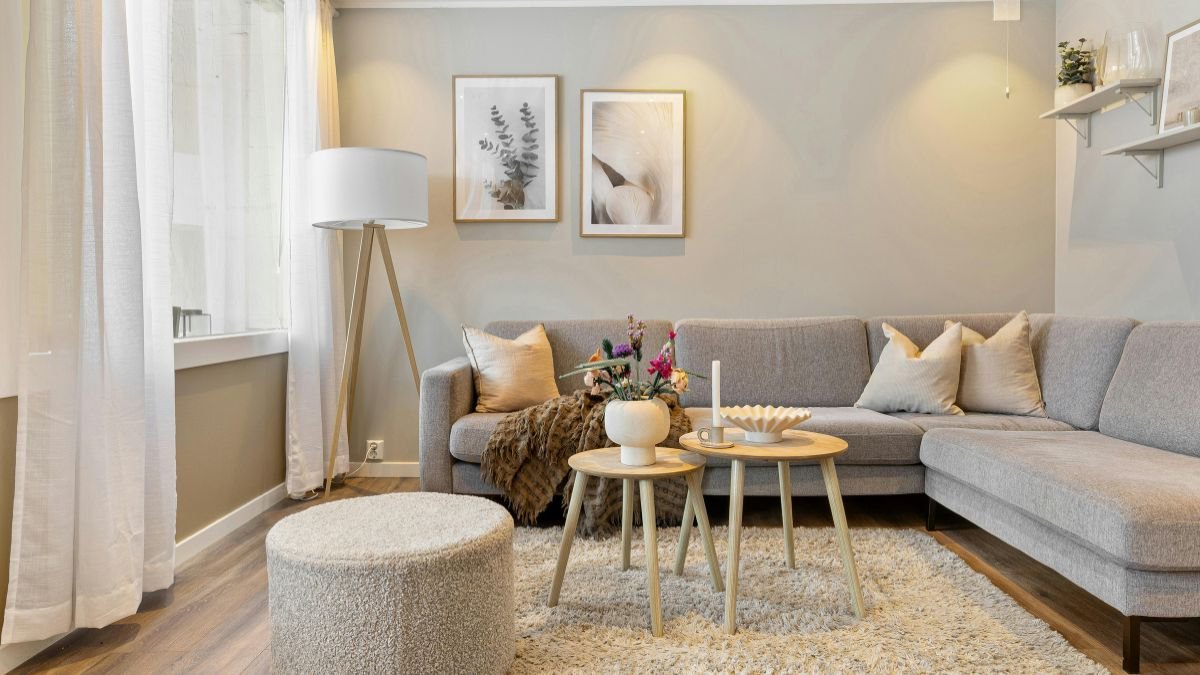
A beige living room does not have to look plain or boring. With the right mix of furniture, texture, lighting, and accent colors, beige can create a space that feels warm, elegant, calm, and stylish.
That is why beige living room ideas remain popular for homeowners who want a timeless look without using strong or overwhelming colors. Beige works well with wood, white, black, cream, gold, green, and many other tones.
The secret is not to use one shade of beige everywhere. Instead, combine different shades and textures to give the room depth and personality.
Whether you have a large open-plan room or a small apartment, these 15 ideas can help you create a cozy beige living room that feels comfortable and thoughtfully designed.
Why Choose Beige for Your Living Room?
Beige is a soft neutral color that sits between light brown, cream, and warm off-white tones. It can make a room feel comfortable and relaxed while giving you a flexible base for furniture and decor.
Unlike very bright colors, beige rarely dominates a room. Instead, it allows other features such as artwork, plants, lighting, rugs, and furniture to stand out.
Beige is especially useful if you want a living room that can change over time. You can update cushions, curtains, artwork, or accessories without completely redesigning the space.
15 Elegant Beige Living Room Ideas
1. Start With a Beige Sofa
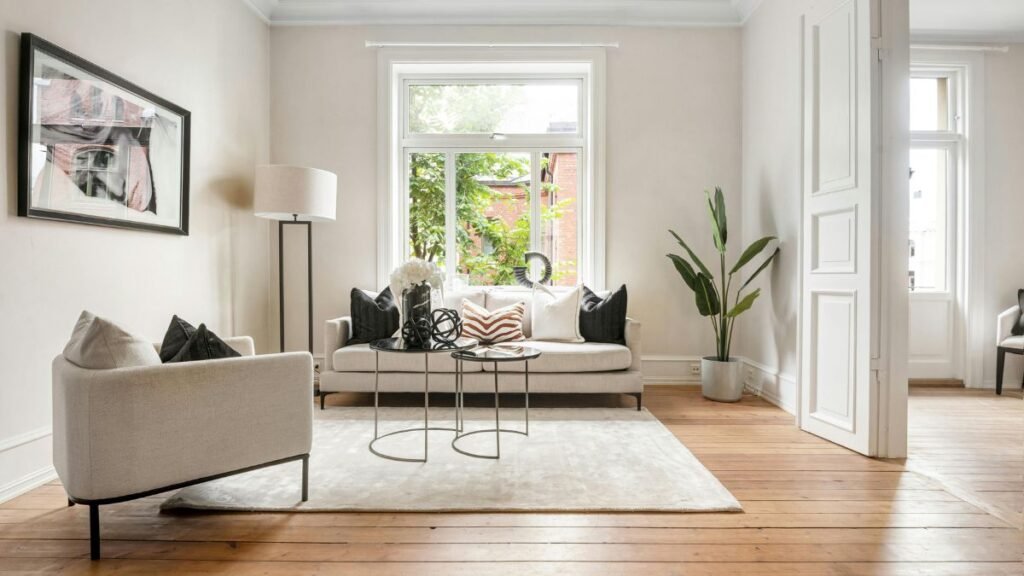
A beige sofa is one of the easiest ways to build a warm neutral living room.
Choose a shade that works with your walls and flooring. A cream-beige sofa can create a light and airy look, while a deeper taupe-beige sofa can feel richer and more dramatic.
Add cushions in different textures rather than using many different colors. Linen, cotton, boucle, and knitted fabrics can make a simple sofa feel much more inviting.
2. Layer Different Shades of Beige
Using exactly the same beige everywhere can make a room look flat.
Instead, combine several related shades. For example, pair a light beige wall with a slightly darker sofa, cream curtains, and a warm tan rug.
This creates subtle contrast while keeping the room calm.
Think of beige as a color family rather than one exact shade.
3. Add a Textured Beige Rug
A rug can instantly make a living room feel warmer.
For a beige room, choose a rug with texture, a subtle pattern, or a mix of cream and beige tones. This gives the floor more visual interest without introducing a strong color.
A large rug can also help connect the sofa, coffee table, and chairs into one seating area.
4. Mix Beige With Natural Wood
Beige and natural wood are a natural match.
A wooden coffee table, sideboard, shelves, or exposed wood details can add warmth to a neutral room.
Light oak works well for a soft Scandinavian feel. Darker wood can create a more traditional or sophisticated look.
The key is balance. Too much wood can make the room feel heavy, so combine it with lighter fabrics and walls.
5. Create a Beige and White Living Room
Beige and white make a fresh and timeless combination.
Use white on ceilings, trim, curtains, or selected furniture pieces. Then let beige bring warmth to sofas, rugs, walls, or accessories.
This combination works especially well in rooms with plenty of natural light.
If pure white feels too sharp, try warm white or ivory instead.
6. Use Black Accents for Contrast
A completely neutral room can sometimes lack definition.
Small black accents can solve that problem.
Consider adding:
A black floor lamp
Black picture frames
A dark coffee table
Black curtain rods
Small black decorative objects
You do not need much. A few darker details can give the beige room a more modern and polished appearance.
7. Bring in Green Plants
Plants are an easy way to add color to a beige living room without making it feel busy.
Large plants can fill an empty corner, while smaller plants work well on shelves or side tables.
Green also looks natural against beige and wood, making the whole room feel more connected to nature.
Choose plants based on your home’s light and the amount of care you can provide.
8. Choose Soft, Warm Lighting
Lighting can completely change how beige looks.
Cool white bulbs may make some beige shades appear dull or gray. Warm lighting usually creates a softer and more welcoming atmosphere.
Use more than one light source when possible.
For example:
Ceiling light for general lighting
Floor lamp beside the sofa
Table lamp on a side table
Accent lighting near artwork or shelves
Layered lighting makes the room feel more comfortable in the evening.
9. Add Beige Curtains
Curtains can help create a softer and more finished look.
For a light and airy room, choose curtains that are close to the wall color. If you want more contrast, select a slightly darker beige or taupe.
Floor-length curtains can also make the room appear taller when hung correctly.
Choose fabric based on how much privacy and sunlight control you need.
10. Create a Cozy Beige Reading Corner
If you have an unused corner, turn it into a small reading area.
Add a comfortable beige or cream chair, a small side table, and a floor lamp. A soft throw can complete the space.
This gives the room another useful function without adding unnecessary furniture.
11. Add Gold or Brass Details
For a more elegant look, introduce small amounts of gold or brass.
You could use brass on:
Table lamps
Side tables
Picture frames
Curtain hardware
Decorative objects
Keep metallic accents limited. Too much gold can quickly make a room look overly decorated.
A few carefully chosen pieces are usually enough.
12. Use Beige With Soft Blue
Beige does not have to stay completely warm.
A muted blue can add a calm contrast while keeping the room sophisticated.
Try blue cushions, artwork, a small accent chair, or a patterned rug.
Soft dusty blue generally works better than extremely bright blue if your goal is a relaxed and elegant atmosphere.
13. Try a Minimalist Beige Living Room
If you prefer simple spaces, use beige as the foundation of a minimalist design.
Choose fewer furniture pieces and keep decorative objects intentional.
Focus on:
Clean lines
Simple shapes
Natural textures
Hidden storage
Open space
A limited color palette
Minimalism does not mean the room has to feel cold. Soft fabrics, wood, warm lighting, and natural materials can keep it comfortable.
14. Add Artwork Above the Sofa
Large artwork can become the focal point of a beige living room.
Instead of placing many small pictures across the wall, consider one large piece or a small, carefully arranged gallery.
Abstract art, landscape prints, botanical designs, and simple black-and-white artwork can all work well.
Choose artwork that adds personality without fighting with the neutral color scheme.
15. Mix Different Textures
This may be the most important idea of all.
When a room uses mostly neutral colors, texture becomes essential.
Combine materials such as:
Linen
Cotton
Wool
Boucle
Wood
Ceramic
Glass
Woven baskets
Natural stone
A beige sofa with a knitted throw, textured rug, wooden table, and ceramic accessories can feel much richer than a room where everything has the same smooth finish.
A beige living room with a balcony can feel even more relaxing when the indoor and outdoor spaces connect naturally. Use soft beige furniture, warm lighting, and natural textures indoors, then add a small seating area with plants outside. For more inspiration, explore our guide to living room with balcony sunset views.
How to Choose the Right Beige
Not every beige looks the same.
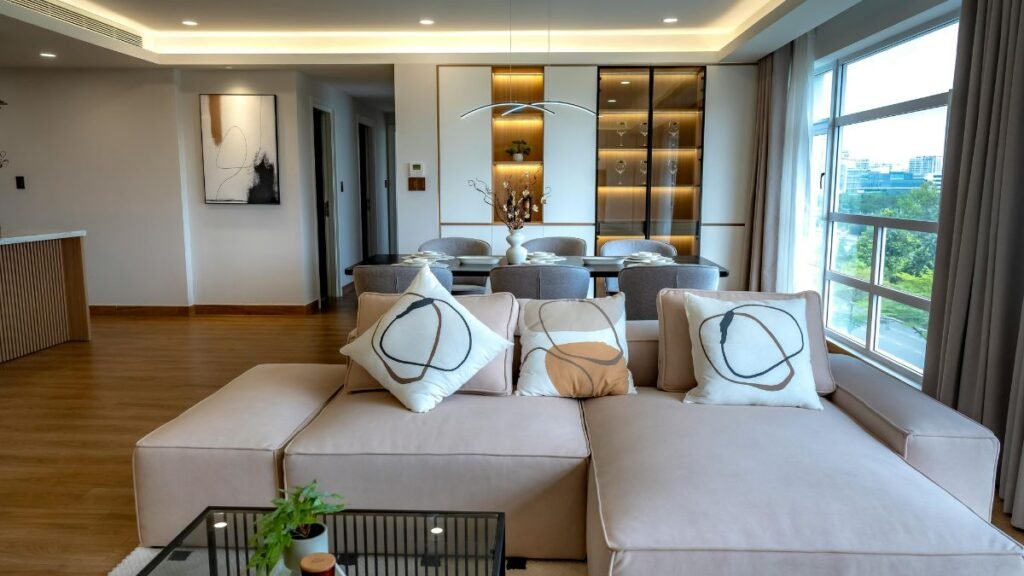
Some beige shades have warm yellow or red undertones, while others lean toward gray. Your lighting, flooring, and existing furniture can affect how the color appears.
Before painting your walls, test a few samples in different parts of the room.
Look at them during:
Morning light
Afternoon light
Evening lighting
Cloudy weather
Beige Living Room Furniture Guide
Beige Sofa
A beige sofa is a strong foundation because it is easy to style and does not usually overpower the room.
If you have children or pets, consider performance fabrics or removable, washable covers where practical.
Coffee Table
Wood, glass, stone, or metal can all work.
Choose the size based on the sofa and available walking space. A beautiful table that is too large can make the room feel crowded.
Accent Chairs
An accent chair can introduce another material or color.
Closed storage can help keep a neutral living room looking calm.
A sideboard or media cabinet can hide electronics, games, books, and other everyday items.
How to Make a Beige Living Room Feel Expensive
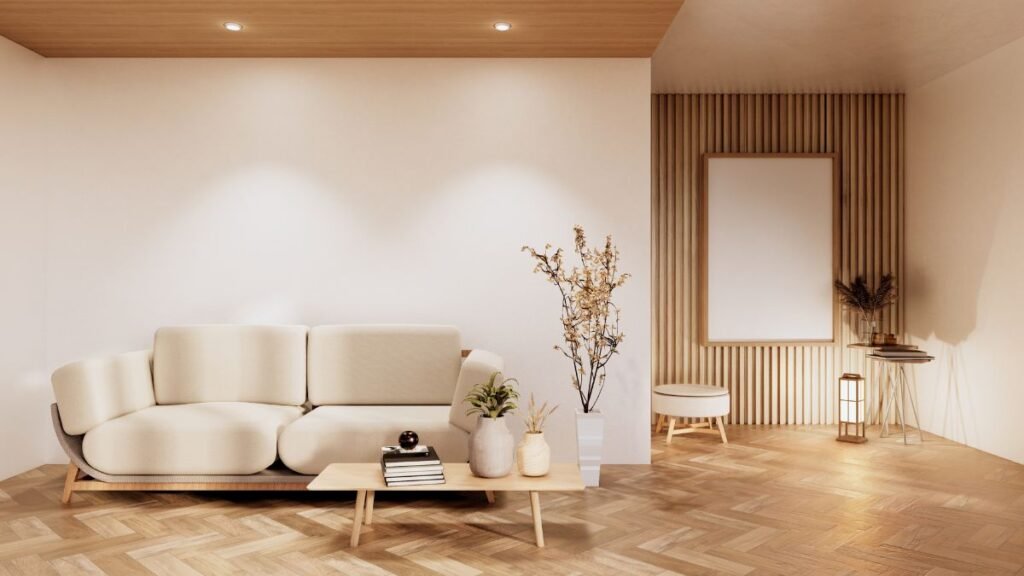
You do not need an expensive makeover.
Instead, focus on details that make the room look intentional:
Use a limited color palette.
Choose curtains that hang neatly.
Invest in one good-sized rug.
Mix several textures.
Keep surfaces uncluttered.
Add one strong focal point.
Use warm, layered lighting.
Choose a few quality-looking accessories instead of many small ones.
Good design is often more about proportion and balance than price.
Common Beige Decorating Mistakes
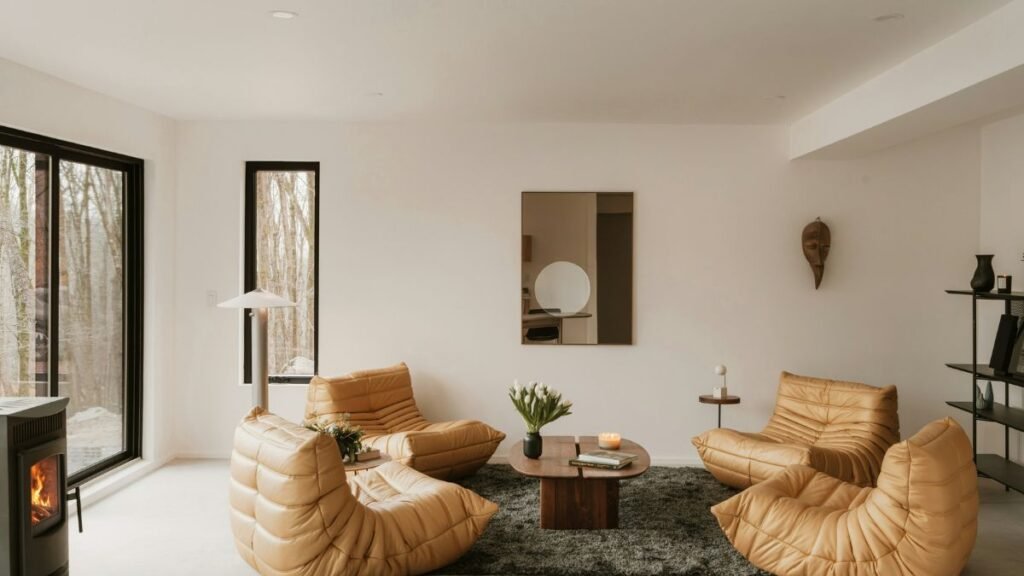
Using only one beige shade
A single shade across every surface can look flat. Mix lighter and darker tones.
Making everything beige
Beige furniture, beige walls, beige curtains, beige rugs, and beige accessories can become too much.
Add contrast through wood, greenery, black accents, artwork, or another soft color.
Ignoring texture
Neutral colors need texture to create depth.
Mix fabrics and materials rather than relying only on color.
Using too many decorations
A cozy room should still have breathing space. Choose meaningful pieces and avoid filling every shelf.
Choosing paint without testing it
Lighting can change the appearance of beige dramatically. Always test your preferred shade before painting the entire room.
Practical Tips for a Cozy Beige Living Room
Before you buy anything new, stand in the doorway and look at your room as a whole.
Ask yourself:
What is the first thing I notice?
Does the room have a clear focal point?
Can people move around comfortably?
Are there too many small decorative items?
Do the colors work together?
Does the room feel warm enough at night?
Then make changes one at a time.
Conclusion
The best beige living room ideas are not about making everything the same color. They are about creating balance between warm neutrals, comfortable furniture, natural materials, texture, lighting, and carefully chosen accents.
Start with a beige sofa or wall color, then build the room slowly. Add a textured rug, natural wood, soft lighting, greenery, and a few pieces of artwork. If you want more contrast, bring in black, brown, dusty blue, or small brass details.
Most importantly, choose a beige that works with your home’s natural light and your existing furniture.
With the right combinations, beige can create a living room that feels cozy enough for everyday life and elegant enough to impress guests.
Ready to refresh your space? Pick one of these 15 beige living room ideas and start with one small change today.
Frequently Asked Questions
Is beige still popular for living rooms in 2026?
Yes. Beige remains a versatile neutral because it works with many furniture styles, materials, and accent colors. Its flexibility also makes it easy to update a room without replacing everything.
How do I make a beige living room look modern?
Use clean-lined furniture, simple artwork, natural materials, layered lighting, and a few darker accents such as black or deep brown. Avoid filling every surface with decorations.
What colors look best with beige?
White, cream, brown, green, dusty blue, black, terracotta, and brass can all work well with beige. The best combination depends on the shade of beige and the amount of natural light in your room.
What color sofa goes with beige walls?
Beige, cream, brown, muted green, dusty blue, and even charcoal can work with beige walls. For a seamless look, choose a sofa that is slightly lighter or darker than the wall.
How can I make a beige living room cozy?
Add texture rather than simply adding more objects. Use soft throws, cushions, rugs, curtains, natural wood, plants, and warm layered lighting.
Is beige good for a small living room?
Yes. Light beige can help create a soft and open feeling, especially when combined with good lighting and appropriately sized furniture. Avoid overcrowding the space.
How do I stop a beige room from looking boring?
Use contrast and texture. Add wood, plants, artwork, black accents, subtle patterns, and different fabric textures. You can keep the color palette neutral while still creating visual interest.
What is the difference between beige and cream?
Beige usually has more brown or earthy undertones, while cream is generally a softer off-white. The two colors can work beautifully together when their undertones are compatible.









2 Comments