
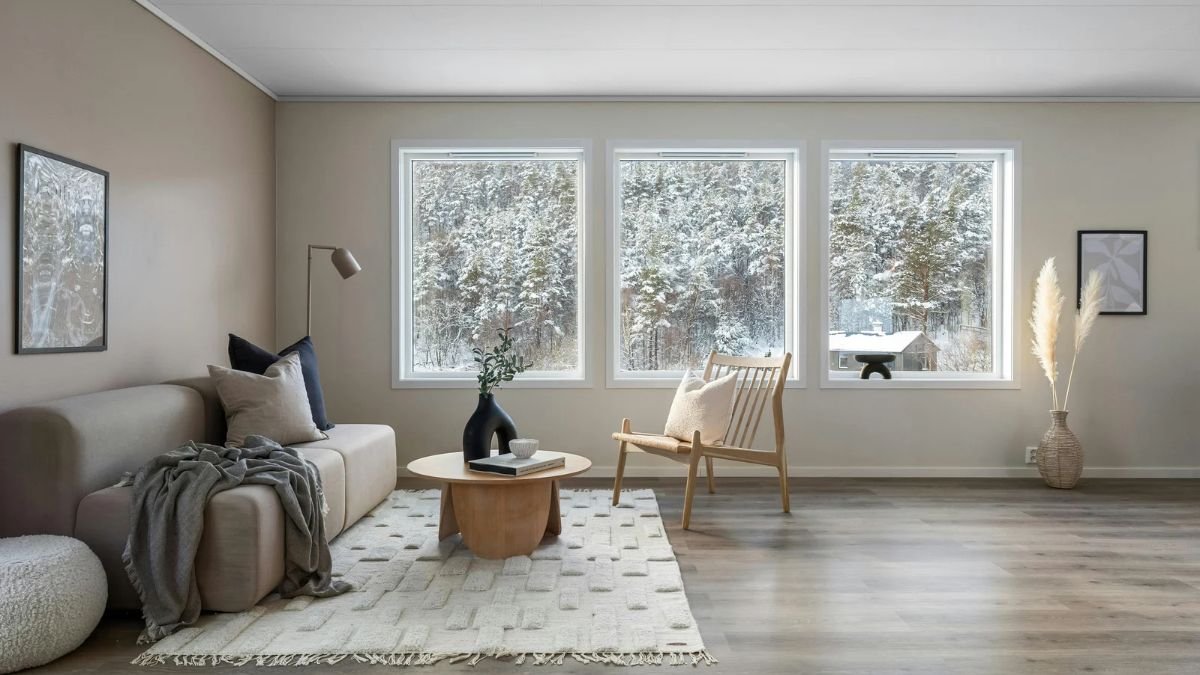
When winter arrives, a warm and comfortable home becomes everyone’s priority. But have you ever noticed cold air coming through your windows, even when your heating system is running? This small problem can make your rooms uncomfortable and increase your energy bills. Learning how to winterize windows is one of the easiest ways to protect your home from chilly weather. The good news is that you do not need expensive renovations or professional help for every project. With a few simple tools and smart home improvement ideas, you can block cold drafts, improve window insulation, and enjoy a warmer home throughout the winter season.
10 Easy Ways to Winterize Windows and Keep Your Home Warm
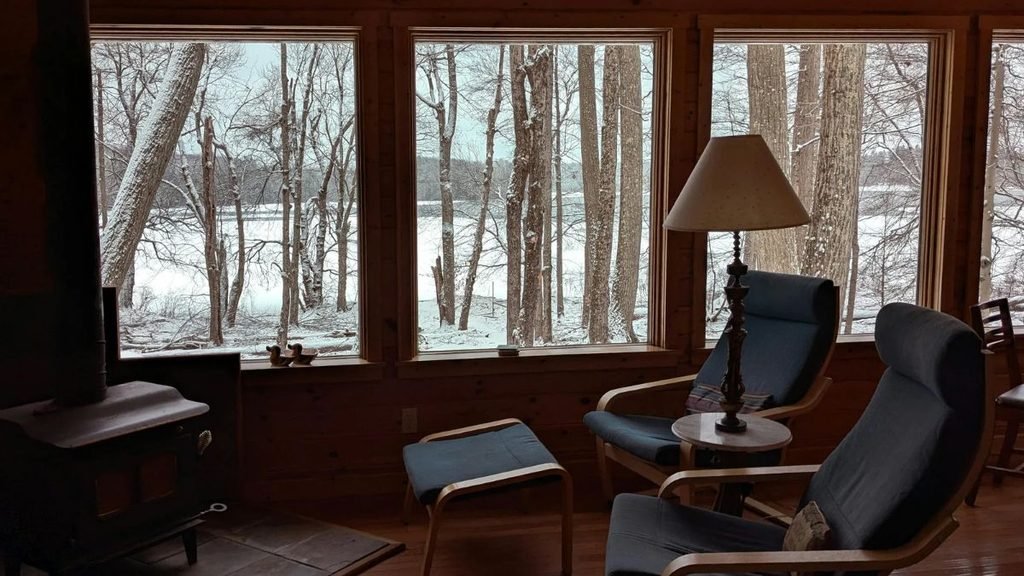
Preparing your windows for winter does not have to be difficult. Some solutions take only a few minutes, while others may require basic tools and a little effort.
Here are ten practical ways to reduce heat loss and make your home more comfortable.
1. Check Your Windows for Air Leaks
Before buying insulation products, check your windows for gaps and air leaks. Even small openings can allow cold outdoor air to enter your home.
Start by inspecting the edges of each window. Look for cracked seals, damaged frames, loose glass, and spaces between the window and wall.
You can also perform a simple draft test.
How to Find Window Air Leaks
- Close all windows and doors.
- Move your hand slowly around the window frame.
- Feel for cold air near the edges.
- Check the corners and window locks.
- Look for damaged caulk or weatherstripping.
Another option is to use a smoke pencil designed for detecting drafts. Avoid using open flames near curtains or other materials.
Finding leaks early helps you choose the right insulation method instead of wasting money on products you do not need.
2. Apply Weatherstripping Around Window Frames
Weatherstripping is one of the easiest and most affordable ways to reduce cold drafts.
It creates a tight seal around moving parts of your windows. This helps prevent cold air from entering and warm indoor air from escaping.
Several types of weatherstripping are available:
- Foam tape: Affordable and easy to install.
- V-strip: Useful for sealing gaps along window sides.
- Rubber weatherstripping: Flexible and durable.
- Felt strips: A low-cost option for light-duty sealing.
How to Install Weatherstripping
First, clean the window frame and allow it to dry. Measure the areas where you need to apply the material.
Cut the weatherstripping to the correct size and attach it according to the manufacturer’s instructions. Make sure the window can still open and close properly.
This simple home improvement project can make a noticeable difference in rooms with drafty windows.
3. Use Window Insulation Film
Window insulation film is a popular solution for homeowners who want extra protection without replacing their existing windows.
This thin plastic film creates an additional air barrier over the window. It can help reduce drafts and improve indoor comfort.
Steps to Apply Window Insulation Film
- Clean the window glass and surrounding frame.
- Measure the window and cut the film slightly larger than the required area.
- Apply the included double-sided tape around the frame.
- Attach the film carefully.
- Use a hair dryer according to the product instructions to tighten the film.
Window film works particularly well on older single-pane windows.
However, it is important to remember that insulation film is usually a temporary seasonal solution. It may need to be removed or replaced after winter.
4. Seal Gaps with Window Caulk

Cracked or missing caulk is another common reason cold air enters a home.
Caulk is a flexible sealing material that fills small gaps around stationary window frames. It helps prevent unwanted air movement and moisture from entering.
How to Apply Window Caulk
- Remove loose or damaged old caulk.
- Clean the surface to remove dirt and dust.
- Let the area dry completely.
- Apply a suitable exterior or interior caulk.
- Smooth the bead using an appropriate finishing tool.
- Allow it to cure according to the product instructions.
Choose a weather-resistant exterior caulk for outdoor applications.
Remember that caulk should not be applied to moving window parts. Use weatherstripping for areas that need to open and close.
Proper sealing is an important part of winter home maintenance and can also support long-term renovation projects.
5. Install Thermal Curtains
Thermal curtains are a simple way to make your rooms feel warmer during cold weather.
These curtains usually have special lining that helps reduce heat transfer through windows. They also provide privacy and block unwanted sunlight when needed.
For the best results:
- Choose curtains that cover the entire window.
- Hang them close to the wall.
- Extend them beyond the window frame.
- Keep them closed during cold nights.
- Open them during sunny winter days to allow natural warmth inside.
Thermal curtains are especially helpful in bedrooms and living rooms where comfort matters most.
However, keep curtains away from radiators and other heating sources to maintain safe airflow.
6. Add Window Draft Stoppers
A window draft stopper is a simple accessory designed to block cold air around window sills and other small gaps.
You can purchase ready-made draft stoppers or make one at home using fabric and filling material.
DIY Window Draft Stopper
Here is a simple method:
- Find a long piece of thick fabric.
- Fold it lengthwise.
- Sew or seal one side.
- Fill it with cotton, fabric scraps, or another suitable filling.
- Close the remaining opening.
- Place it along the bottom of a drafty window.
This affordable solution works best for small gaps near the sill.
A draft stopper will not fix damaged seals or large structural gaps, but it can provide extra comfort when used with other insulation methods.
7. Consider Cellular Window Shades
Cellular shades, also called honeycomb shades, are designed to trap air inside small pockets.
These air pockets create an insulating layer between your room and the window glass.
They are available in different styles, colors, and sizes. Some models offer single-cell designs, while others have multiple layers for improved insulation.
Benefits of Cellular Shades
- Help reduce heat loss.
- Improve indoor comfort.
- Provide privacy.
- Offer light-control options.
- Create a clean and modern appearance.
For better performance, choose cellular shades that fit closely within the window opening.
Some models also come with side tracks to reduce air movement around the edges.
If you are planning a room renovation, cellular shades can be a useful addition to your winter insulation plan.
8. Repair or Replace Damaged Window Seals

Window seals play an important role in keeping outdoor air and moisture away from your living space.
Over time, seals can become cracked, loose, or damaged because of temperature changes and regular wear.
This problem is especially common in older windows.
Check your window frames for:
- Cracked rubber seals.
- Loose glazing.
- Damaged weatherstripping.
- Signs of condensation between glass panes.
- Water stains around the frame.
If you have double-pane windows and notice fog or moisture trapped between the panes, the insulated glass unit may have lost its seal.
In that situation, replacing the affected glass unit may be necessary.
Do not ignore damaged seals because they can reduce insulation performance and allow moisture-related problems to develop.
9. Install Storm Windows
Storm windows provide an extra protective layer outside or inside your existing windows.
They create an additional air space that helps reduce heat transfer and protects your main windows from harsh weather.
They are particularly useful for older homes that still have single-pane windows.
Types of Storm Windows
| Type | Main Benefit |
|---|---|
| Exterior storm windows | Protect against outdoor weather |
| Interior storm windows | Add insulation from inside |
| Permanent storm windows | Provide long-term protection |
| Seasonal storm windows | Can be installed and removed as needed |
Before installation, inspect your existing windows for moisture damage.
A storm window should be properly fitted and installed according to the manufacturer’s guidance. In some situations, poor installation can trap moisture and cause damage.
Storm windows can be a practical alternative when a full window replacement is not within your budget.
10. Upgrade to Energy-Efficient Windows
If your windows are very old or badly damaged, basic insulation methods may not provide enough improvement.
In this situation, replacing them with energy-efficient windows may be worth considering.
Modern windows are designed to reduce heat transfer and improve indoor comfort.
Some common features include:
- Double-pane or triple-pane glass.
- Low-E glass coatings.
- Insulated window frames.
- Argon or krypton gas between glass panes.
- Improved window weather seals.
What Type of Window Is Best for Winter?
| Window Type | Insulation Performance | Best For |
|---|---|---|
| Single-pane | Low | Mild climates |
| Double-pane | Better | Most homes |
| Triple-pane | High | Very cold climates |
| Low-E windows | Depends on full design | Energy-conscious homes |
When choosing replacement windows, consider your local climate, budget, frame material, and energy performance ratings.
Although window replacement costs more than simple sealing projects, it may improve comfort and support long-term energy savings.
Practical Tips to Improve Window Insulation
Along with the ten methods above, a few daily habits can help keep your home warmer.
- Open curtains on sunny winter days.
- Close curtains after sunset.
- Keep window frames clean and dry.
- Check window locks regularly.
- Repair small gaps before they become larger.
- Keep furniture away from heating vents.
- Inspect windows at the start of every winter.
These small steps can support your overall home weatherization plan.
FAQs About Winter Window Insulation
1. What Is the Cheapest Way to Winterize Windows?
Window weatherstripping and plastic insulation film are two affordable options. Both can help reduce drafts without requiring expensive tools or professional installation.
2. Does Plastic Window Film Really Keep Cold Air Out?
Yes. Window insulation film creates an additional air barrier that can reduce drafts and improve comfort. However, it does not repair damaged window frames or replace proper insulation.
3. How Can I Stop Cold Air Coming Through My Windows?
Start by checking the window edges for gaps. Apply weatherstripping to moving parts, use caulk around stationary frames, and consider insulation film for additional protection.
4. Should I Keep Curtains Closed During Winter?
Keep thermal curtains closed during cold nights to reduce heat loss. During sunny days, open them to let natural sunlight warm your rooms.
5. Is It Better to Replace Windows or Insulate Them?
It depends on their condition. If your windows are in good shape, weatherstripping, caulking, and insulation film may be enough. However, badly damaged or inefficient windows may need replacement.
6. How Often Should I Check My Window Seals?
Inspect your window seals at least twice a year, preferably before winter and after the cold season. Replace damaged materials whenever necessary.
7. Can Double-Pane Windows Still Get Cold?
Yes. Double-pane windows can still feel cold because of poor installation, damaged seals, low-quality frames, or extreme outdoor temperatures. Check for drafts and condensation between the glass panes.
Final Thoughts
Preparing your windows for winter is a smart way to improve home comfort and reduce unnecessary heat loss. You do not always need expensive products or major renovation work to make a difference.
Start with simple tasks like checking for air leaks, applying weatherstripping, and sealing small gaps with caulk. Then consider thermal curtains, window film, and cellular shades for additional insulation.
If your windows are old or badly damaged, professional repairs or energy-efficient replacements may be a better long-term solution.
The most important thing is to choose the right method for your home’s condition and climate. A little preparation before winter can help you enjoy a warmer, more comfortable living space.