

You do not always need a new kitchen, expensive flooring, or a full bathroom remodel to make your home feel better. Sometimes, small home fixes can create the biggest everyday improvements.
A dripping faucet, loose cabinet handle, drafty door, dark hallway, or clogged showerhead may seem like a minor problem. However, several small issues can make a home feel uncomfortable, waste energy or water, and slowly lead to larger repair bills.
The good news is that many fixes take less than an hour and require only basic tools. Others are better handled by a qualified professional, especially when they involve electrical wiring, gas appliances, structural problems, or serious water damage.
Here are 25 practical fixes worth adding to your home maintenance list.
1. Fix a Dripping Faucet
A dripping faucet is easy to ignore, but it can waste water and usually indicates a worn component.
Depending on the faucet, replacing a washer, cartridge, O-ring, or aerator may solve the problem. Before starting, turn off the water supply and identify the faucet type.
If the leak continues after a basic repair, it may be time to call a plumber.
2. Replace Worn Door Weatherstripping
Feel a draft around an exterior door? The weatherstripping may have become compressed, cracked, or detached.
New weatherstripping is inexpensive and can make a room feel more comfortable. It can also reduce unwanted air movement.
The U.S. Department of Energy recommends weatherstripping doors and windows as part of home weatherization. The Department of Energy’s Energy.gov
3. Seal Gaps Around Windows
Small gaps around window frames can allow outdoor air and moisture into your home.
Inspect the edges of windows for cracked or missing caulk. Remove loose material, clean the surface, and apply an appropriate exterior-grade caulk.
Do not use caulk to hide a serious water leak or damaged framing. Those problems need a proper inspection first.
4. Tighten Loose Cabinet Hardware
Loose knobs and handles can make an otherwise good kitchen or bathroom look neglected.
Grab a screwdriver and tighten every loose handle. If a screw keeps coming loose, use the correct replacement screw or hardware rather than repeatedly forcing the old one.
It is a five-minute fix with an surprisingly noticeable result.
5. Repair Squeaky Doors
A squeaky hinge is one of those tiny problems that becomes annoying very quickly.
Apply a small amount of suitable hinge lubricant and move the door several times. Wipe away excess lubricant so it does not collect dust.
If the hinge is bent, loose, or damaged, tightening or replacing it may be the better solution.
6. Replace Old Light Bulbs With LEDs
Lighting can dramatically change how a room looks.
Replace outdated or failed bulbs with LED bulbs that provide the brightness and color temperature you prefer. Warm white light can make living spaces feel cozy, while cooler light can work well in work areas.
Also check whether a dimmer switch is compatible with the LED bulbs you choose.
7. Upgrade Drafty Outlet and Switch Plates
Exterior-wall outlets and switches can sometimes be sources of small air leaks.
The Department of Energy lists foam gaskets behind outlet and switch plates as one possible air-sealing measure. The Department of Energy’s Energy.gov
Turn off power at the appropriate circuit before working around electrical devices. If you are unsure about electrical work, have an electrician handle it.
8. Clean or Replace HVAC Filters
A dirty HVAC filter can restrict airflow and reduce system performance.
Check your filter according to the equipment manufacturer’s instructions. Replace or clean it as recommended rather than assuming every filter needs the same schedule.
This is also a good opportunity to check that vents are not blocked by furniture, rugs, or other objects.
9. Improve Bathroom Ventilation
Bathrooms create a lot of moisture. Poor ventilation can contribute to condensation and mold problems.
Run the bathroom exhaust fan during showers and for an appropriate period afterward. Keep the fan and grille clean so air can move properly.
The EPA recommends ventilation and moisture control as important parts of maintaining indoor air quality. US EPA+1
10. Fix Running Toilets
A toilet that keeps running is more than an annoying sound.
A worn flapper, faulty fill valve, or incorrect float setting may be responsible. Many replacement parts are inexpensive and can be installed with basic tools.
EPA WaterSense recommends regularly checking plumbing fixtures for leaks and addressing problems promptly. US EPA
11. Replace a Worn Showerhead
If your shower has weak or uneven water flow, the showerhead may be clogged with mineral buildup.
Cleaning it can sometimes restore performance. If the showerhead is old or damaged, replacing it with an efficient model can improve the experience without changing the plumbing.
Choose a model that fits your existing connection and meets your household’s needs.
12. Repair Cracked Caulk
Old caulk around sinks, tubs, showers, and backsplashes can crack or pull away from the surface.
Remove failing caulk, clean and dry the area, then apply a suitable replacement product.
This small repair helps keep water away from areas where it can cause hidden damage. Never simply cover moldy or wet material with new caulk.
13. Fix Small Wall Dents
Small dents and nail holes can make freshly cleaned rooms look unfinished.
For minor damage, use lightweight spackle or an appropriate wall-repair compound. Allow it to dry, sand it smooth, and touch up the paint.
For larger cracks, especially cracks that are widening or appear around doors and windows, investigate the cause before making a cosmetic repair.
14. Touch Up Scuffed Paint
You may not need to repaint an entire room.
Keep leftover paint from previous projects labeled with the room and color. Use it to cover small scuffs, scratches, and marks.
If you do not have the original paint, take a clean sample to a paint store for color matching.
15. Secure Loose Handrails
A loose stair or bathroom handrail is a safety issue, not just a cosmetic problem.
Check the mounting points and make sure the rail is firmly attached to suitable structural material.
If the wall or mounting surface is damaged, do not simply add a longer screw. Repair the underlying problem or have a professional evaluate it.
16. Add Better Lighting to Dark Areas
Dark hallways, stairs, closets, and entryways can make a home feel smaller and less welcoming.
Add a suitable lamp, under-cabinet light, closet light, or properly installed fixture where needed.
Focus on areas where you regularly search for items, walk at night, or perform detailed tasks.
17. Stop Doors From Slamming
A door that slams every time someone walks through it can quickly become irritating.
Depending on the door, a door closer, bumper, soft-close hardware, or simple adjustment may solve the problem.
If the door has suddenly started slamming or sticking, check whether the hinges or frame have shifted.
18. Replace Damaged Drawer Slides
A drawer that sticks or falls off its track makes a kitchen or bathroom harder to use.
Remove the drawer and inspect the slides. If they are bent or worn, replace them with compatible hardware.
Measure carefully before buying replacements. Drawer slides come in different lengths and mounting styles.
19. Clean Dryer Vents and Lint Areas
Lint can build up in and around a dryer and its exhaust system.
Clean the lint filter after each load and keep the surrounding area free of accumulated lint. Periodically inspect the exhaust system and arrange professional cleaning when needed, especially if drying times have increased.
Do not ignore unusual heat, burning smells, or other signs that the dryer may not be operating normally.
20. Check Smoke and Carbon Monoxide Alarms
Few small home fixes matter more than working safety alarms.
Check smoke and carbon monoxide alarms regularly and follow the manufacturer’s instructions for testing, batteries, placement, and replacement.
The EPA recommends smoke and carbon monoxide alarms as part of a healthier and safer home. Current EPA guidance also recommends CO alarms outside sleeping areas and on each level, subject to applicable local requirements. US EPA+1
21. Control Indoor Moisture
Too much indoor moisture can contribute to condensation and mold.
The EPA recommends keeping indoor humidity around 30% to 50% and controlling moisture through ventilation, air conditioning, or dehumidification when needed. US EPA
A small digital humidity meter can help you see whether your indoor humidity is consistently too high.
22. Fix Small Leaks Early
A tiny leak under a sink may seem harmless. It is not worth ignoring.
Check beneath sinks, around toilets, near washing machines, and around visible plumbing connections. Look for dampness, staining, corrosion, or musty odors.
EPA WaterSense notes that household leaks can waste thousands of gallons of water and may also cause home damage. US EPA
If you cannot identify or safely repair the source, contact a plumber.
23. Refresh Grout
Dirty or damaged grout can make an otherwise clean bathroom look old.
Start with appropriate cleaning. If grout is cracked or missing, remove the damaged section and repair it with a compatible grout product.
Do not seal over loose, wet, or deteriorating grout. Fix the underlying problem first.
24. Seal Small Outdoor Cracks
Walk around the exterior of your home and look for small gaps around trim, windows, doors, and other joints.
Sealing suitable gaps can help reduce drafts and prevent water from entering vulnerable areas.
However, not every exterior crack should be filled. Some joints and materials need room to move, while foundation cracks may require professional evaluation.
25. Organize Your Entryway
One of the easiest improvements does not require a repair at all.
Add hooks, a small shoe rack, a basket, or a tray for keys and everyday items. Keeping frequently used objects in one place can make the entire home feel more organized.
A tidy entryway also prevents clutter from spreading into nearby rooms.
Practical Tips Before Starting
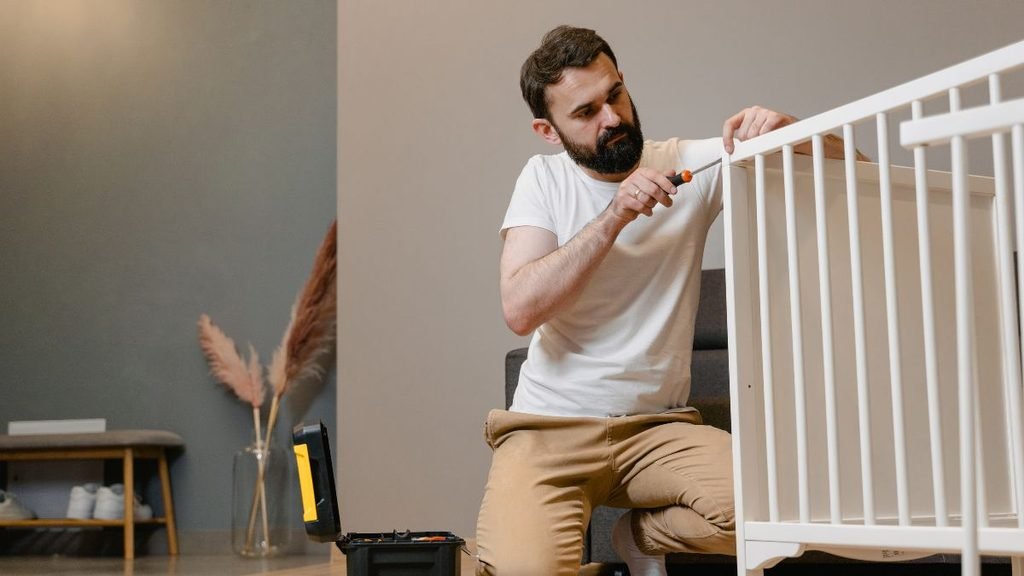
You can make these projects easier by keeping a small home repair kit available.
Useful basics include:
- Screwdrivers
- Adjustable wrench
- Pliers
- Measuring tape
- Utility knife
- Caulk gun
- Spackle and putty knife
- Sandpaper
- Flashlight
- Replacement screws and wall anchors
- Safety glasses and work gloves
Before starting any repair, understand what you are fixing. Read product instructions and switch off electricity or water when the job requires it.
For electrical, gas, structural, roofing, or major plumbing work, hiring a qualified professional is often the safest choice.
Common Mistakes to Avoid

Ignoring small leaks
A small leak can become a much larger moisture problem. Investigate leaks promptly rather than waiting for visible damage.
Painting over damage
Fresh paint can hide a stain temporarily, but it does not solve the source of water or structural damage.
Using the wrong materials
Exterior caulk, bathroom sealant, wood filler, wall spackle, and grout have different jobs. Choose the product for the surface and application.
Taking on risky electrical work
If you are not comfortable identifying circuits or working around wiring, stop and call an electrician.
Treating every crack as cosmetic
Some cracks are harmless. Others can signal movement, moisture intrusion, or structural problems. New, widening, or unusual cracks deserve closer attention.

FAQs
1. What are the best small home fixes to start with?
Start with problems that affect safety, water use, comfort, or ongoing damage. Good first projects include fixing leaks, checking smoke and CO alarms, replacing worn weatherstripping, repairing running toilets, and addressing moisture problems.
2. Which home repairs can save money?
Fixing water leaks and sealing appropriate air leaks can reduce waste and improve efficiency. The EPA notes that fixing easily corrected household leaks can save about 10% on water bills. US EPA
3. What home fixes can I do myself?
Many cosmetic and basic maintenance tasks are DIY-friendly, including tightening hardware, replacing weatherstripping, touching up paint, repairing small wall holes, cleaning fixtures, and replacing compatible filters.
Avoid DIY work involving gas, major electrical systems, structural repairs, or serious water damage unless you have the required training.
4. How can I make my home more energy efficient without remodeling?
Start with air sealing and weatherstripping. Check doors and windows for drafts and inspect suitable gaps around the home’s envelope.
The Department of Energy identifies air sealing and weatherstripping as important weatherization measures. The Department of Energy’s Energy.gov
5. How often should I check for home leaks?
Make leak checks part of regular home maintenance. Look under sinks, around toilets, near appliances, and at exposed plumbing connections.
Also watch your water usage. An unexplained increase can sometimes point to a hidden leak. US EPA
6. How can I improve indoor air quality with small changes?
Control moisture, ventilate kitchens and bathrooms, keep the home clean, maintain HVAC filtration according to manufacturer guidance, and make sure smoke and CO alarms work properly.
The EPA identifies moisture control and ventilation as important parts of maintaining indoor air quality. US EPA+1
7. Do small home improvements increase home value?
Some small improvements can make a home more attractive and easier to maintain, but the financial return varies widely by project, location, and buyer preferences.
In many cases, fixing visible maintenance problems is a sensible first step before investing in major cosmetic upgrades.
Conclusion
You do not need a huge renovation to make your home feel noticeably better. These small home fixes can improve everyday comfort, appearance, safety, water use, and energy efficiency one project at a time.
Start with the problems you notice most often. Fix that dripping faucet. Seal that drafty door. Tighten the loose cabinet handle. Replace a damaged piece of caulk. Check your safety alarms.
The key is consistency. A home that receives small amounts of attention throughout the year is usually easier and less expensive to maintain than one where every minor problem is allowed to grow.









2 Comments