Renovating your home can make everyday life more comfortable, improve the look of your rooms, and fix problems that have been bothering you for years. However, a renovation can also become stressful when you start without a clear plan.
The best home renovation tips are not always about choosing expensive materials or following the latest design trend. They are about planning carefully, spending wisely, understanding your home, and knowing when to call a professional.
Whether you are updating one room or planning a larger remodel, this guide will help you make better decisions. You will find 20 practical home renovation tips, followed by 20 things you should avoid.
20+ Home Renovation Tips to Start With
Good home renovation tips begin with planning before demolition. Take time to understand what you want, what you can afford, and what your house actually needs.
Here are the first 20 practical tips to keep your project under control:
- Set a realistic budget. Include materials, labor, permits, delivery fees, and unexpected repairs.
- Add an emergency fund. Keep around 10–20% of your renovation budget aside for surprises.
- Define your main goal. Decide whether you want better comfort, more space, improved function, or a fresh appearance.
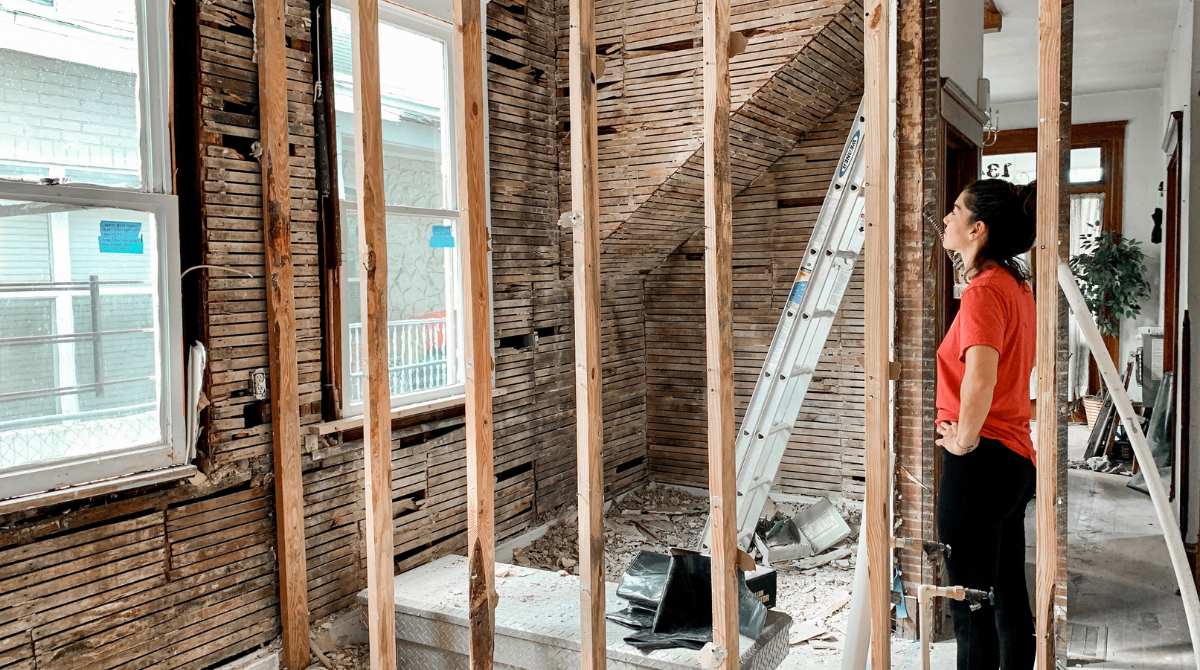
- Inspect the existing structure. Look for moisture, cracks, electrical problems, plumbing issues, and other hidden concerns.
- Make a priority list. Separate must-have repairs from cosmetic upgrades.
- Measure every space carefully. Small measurement errors can lead to expensive mistakes.
- Create a room-by-room plan. Know what will change before buying materials.
- Research material prices. Compare quality, warranties, installation costs, and long-term maintenance.
- Choose durable materials. The cheapest option may cost more if it needs frequent replacement.
- Plan the lighting early. Think about natural light, ceiling lights, task lighting, and accent lighting.
- Improve storage. Built-in cabinets, shelves, and smart storage can make a home feel larger.
- Protect floors and furniture. Cover areas that are not being renovated before work begins.
- Keep a renovation folder. Store contracts, receipts, product information, measurements, warranties, and permits together.
- Order important materials early. Delayed deliveries can hold up an entire project.
- Confirm contractor details in writing. Make sure the scope, price, timeline, and payment terms are clear.
- Check local rules. Some structural, electrical, plumbing, and exterior projects may require permits or inspections.
- Plan where you will live during major work. Dust, noise, and limited access can make normal routines difficult.
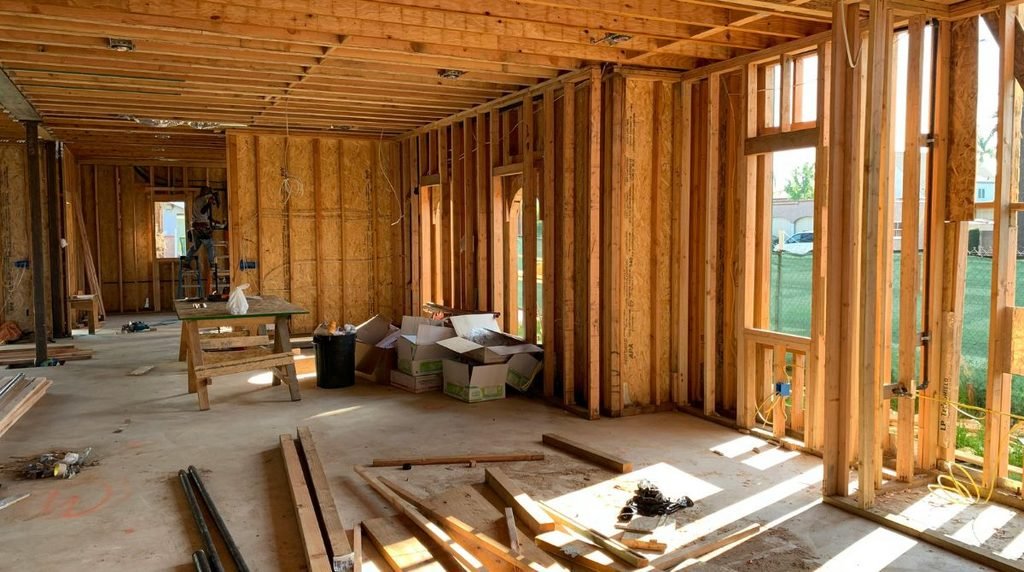
- Photograph hidden work. Take pictures of pipes, wiring, insulation, and framing before walls are closed.
- Plan for the future. Consider accessibility, maintenance, storage, and changing family needs.
Home Renovation Tips for Setting a Smart Budget
A renovation budget should be more than a single number. Break it into categories so you know where your money is going.
A simple budget can include:
- Materials
- Labor
- Design or professional fees
- Permits and inspections
- Waste removal
- Delivery costs
- Temporary living expenses
- Emergency funds
Do not spend your entire budget on finishes at the beginning. Leave room for problems that only become visible after walls, floors, or cabinets are removed.
Home Renovation Tips for Better Planning
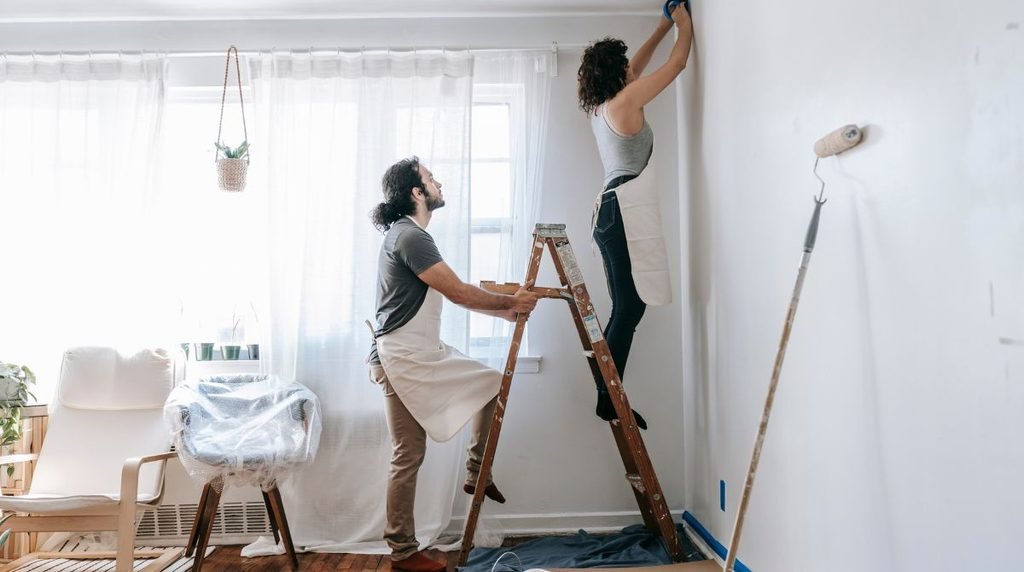
Planning is where many renovation problems can be prevented. Before you start, write down the exact result you want.
For example, instead of saying, “I want a better kitchen,” define the goal: more counter space, better storage, brighter lighting, easier cleaning, or a different layout.
Then decide what work needs to happen first. Structural repairs and behind-the-wall systems usually come before paint, flooring, and decoration.
Home Renovation Tips for Choosing Contractors
Do not choose a contractor based only on the lowest quote. Ask for references, review previous work, and make sure the contractor understands the full scope of the project.
A useful written agreement should explain:
- What work will be completed
- Materials and products included
- Estimated start and completion dates
- Payment schedule
- How changes will be handled
- Who obtains required permits
- Warranty or repair terms
- Cleanup responsibilities
Home Renovation Tips for Saving Money
Saving money does not mean choosing the cheapest product for everything. Instead, spend more on areas that affect safety, durability, or daily use.
For example, quality waterproofing in a bathroom may be more important than premium decorative tiles. Good electrical work may matter more than expensive light fixtures.
You can also save by keeping the existing layout when possible. Moving plumbing, electrical lines, walls, windows, or doors can quickly increase labor costs.
Another useful approach is to renovate in phases. Complete urgent repairs first, then tackle cosmetic changes when your budget allows.
Home Renovation Tips for Energy Efficiency
Energy-efficient improvements can be useful when planned as part of the renovation instead of added as an afterthought.
Consider:
- Sealing obvious air leaks
- Improving insulation where appropriate
- Using efficient lighting
- Choosing efficient appliances
- Improving window performance when replacement makes sense
- Selecting heating and cooling equipment carefully
Home Renovation Tips for Safety and Quality
A beautiful renovation is not successful if it creates a safety problem. Protect workers, family members, pets, and the home itself.
Use proper protective equipment for the work being performed. Keep children and pets away from active work areas. Control dust and ventilate spaces when appropriate.
If electrical, structural, gas, major plumbing, or other specialist work is beyond your training, hire a qualified professional.
Home Renovation Tips for Quality Control
Do not wait until the final day to inspect the work. Check progress at important stages.
For example, before drywall covers walls, check that planned outlets, pipes, wiring, insulation, and other hidden work are in the correct locations.
Keep receipts and product information for appliances, fixtures, flooring, paint, and other important materials. These records can help with future repairs or warranty claims.
Home Renovation Tips for a Smoother Project
Renovation rarely goes exactly according to plan. A material may arrive late, an old pipe may need replacement, or a wall may reveal an unexpected problem.
The goal is not to eliminate every surprise. The goal is to prepare for reasonable surprises.
Communicate regularly with your contractor or project team. If you want to change something, discuss the cost and schedule before the work begins.
Also, avoid making design decisions while workers are waiting. Last-minute choices can cause delays and rushed purchases.
A written change-order process can help keep the project organized. Before approving a change, understand how it affects the total cost and completion date.
20 Things to Avoid During a Renovation
Knowing what not to do can be just as valuable as knowing what to do. These common mistakes can waste money, delay your project, or create safety issues.
- Do not start without a budget.
- Do not spend every dollar you have.
- Do not ignore structural problems.
- Do not cover moisture or mold without fixing the cause.
- Do not choose a contractor only because the quote is cheap.
- Do not rely on verbal promises for major work.
- Do not skip required permits or inspections.
- Do not buy materials before confirming measurements.
- Do not order everything before confirming the design.
- Do not remove walls without understanding what they support.
- Do not move plumbing without checking the full cost.
- Do not ignore ventilation in kitchens and bathrooms.
- Do not choose style over function.
- Do not install materials that are unsuitable for wet areas.
- Do not mix too many design styles without a clear plan.
- Do not make constant changes after work has started.
- Do not forget cleanup and waste-disposal costs.
- Do not ignore safety equipment and work-area protection.
- Do not disturb potentially lead-painted surfaces carelessly in older homes.
- Do not rush the final inspection.
| Do This | Avoid This |
|---|---|
| Create a written budget | Guessing the final cost |
| Keep an emergency fund | Spending the full budget |
| Inspect before demolition | Discovering problems too late |
| Compare contractors | Choosing only by price |
| Confirm measurements | Ordering blindly |
| Plan lighting early | Adding lighting as an afterthought |
| Protect floors and furniture | Leaving surfaces exposed |
| Check permits | Assuming no permit is needed |
| Document hidden work | Closing walls without photos |
| Inspect before final payment | Rushing the final walkthrough |
A Simple Renovation Checklist
Before work starts, ask yourself these questions:
- What is the main purpose of the renovation?
- What is my total budget?
- How much money is reserved for unexpected costs?
- Which repairs are essential?
- Which improvements can wait?
- Do I need professional help?
- Do I need permits?
- Have I checked the home’s age and condition?
- Have I compared material options?
- Is the timeline realistic?
- Where will my family stay during major work?
- How will dust, noise, waste, and cleanup be managed?
This checklist can turn a vague renovation idea into a manageable project.
Common Renovation Mistakes
The most common mistake is starting with the appearance instead of the condition of the home.
Fresh paint cannot solve a leaking roof. New cabinets cannot fix unsafe wiring. Beautiful flooring cannot solve moisture coming from below.
Another mistake is changing the plan too often. Every major change can affect materials, labor, timing, and other parts of the design.
Finally, many homeowners underestimate the value of documentation. Keep photos and records throughout the project. They can make future maintenance much easier.
Frequently Asked Questions
What is the first step in a home renovation?
The first step is to define the goal and inspect the existing home. Then create a realistic budget that includes an emergency reserve.
How much should I save for unexpected renovation costs?
A common planning range is about 10–20% of the renovation budget, although the right amount depends on the age and condition of the home and the complexity of the work.
Should I renovate one room at a time?
It depends on your budget, lifestyle, and project size. Renovating one room at a time can make the work easier to manage, while larger projects may be more efficient when several connected areas are completed together.
Is it better to repair or replace old materials?
Look at safety, condition, lifespan, repair cost, and performance. A professional inspection can help when you are unsure.
Can I do a home renovation myself?
Yes, many cosmetic projects can be suitable for experienced DIY homeowners. However, electrical, structural, gas, major plumbing, and other specialist work may require qualified professionals.
What should I avoid when renovating an older home?
Do not ignore possible lead-based paint, moisture, outdated wiring, structural problems, or other hidden issues. Older homes may need additional inspection before renovation begins.
How can I save money during a renovation?
Keep the existing layout when possible, compare materials, plan purchases carefully, avoid unnecessary changes, and spend more on critical systems rather than purely decorative features.
Conclusion
The best home renovation tips focus on preparation, safety, function, and long-term value. You do not need the most expensive materials or the trendiest design to create a better home.
Start with a clear goal. Build a realistic budget. Inspect the property before demolition, choose professionals carefully, and leave room for unexpected costs.
Most importantly, do not rush decisions that affect safety or hidden systems. A little planning before work begins can prevent expensive problems later.
If you are preparing for a renovation, save this guide and use the checklist before your project starts.