
You do not need a big renovation to make your home feel new again.
Sometimes, a clean corner, a fresh coat of paint, better lighting, or a few carefully chosen accessories can completely change how a room feels. The best part? Many home updates can be finished in a single weekend.
These simple home refresh ideas are designed for real homes and busy schedules. You can choose one project or combine several for a bigger change.
Whether your living room feels tired, your bedroom needs more warmth, or your entryway looks a little forgotten, there is an easy update here for you.
The goal is not to spend a lot. Instead, focus on small changes that make your home cleaner, brighter, more comfortable, and more personal.
What Is a Home Refresh?

A home refresh means making small changes to improve the look, comfort, or function of your home without doing a full renovation.
Unlike a major remodel, a home refresh can often involve simple tasks such as:
- Rearranging furniture
- Decluttering
- Changing textiles
- Updating lighting
- Adding plants
- Painting a small area
- Replacing old hardware
- Deep cleaning
These projects are useful when you want a noticeable change without the time, cost, and mess of a large construction project.
16 Simple Home Refresh Ideas for This Weekend

1. Declutter One Room
Start with something free: remove the things you no longer need.
Choose one room instead of trying to organize your entire house. Pick up items from the floor, clear crowded surfaces, and put everyday objects back where they belong.
Try the three-box method:
- Keep: Items you use and love
- Move: Items that belong somewhere else
- Donate or discard: Items you no longer need
Once the clutter is gone, the room may already look surprisingly different.
2. Rearrange Your Furniture
You may not need new furniture at all. Try moving what you already own.
For example, pull your sofa slightly away from the wall or angle a chair toward a window. In the bedroom, changing the position of a small table or reading chair can create a completely different feel.
Before moving heavy furniture, measure the space and clear a safe path.
A simple rule
Think about how people actually move through the room. Keep walking areas open and avoid blocking doors, windows, vents, or important outlets.
3. Give a Wall a Fresh Color
Paint is one of the easiest ways to make a room feel updated.
You do not have to paint every wall. A small accent wall, reading nook, hallway, or powder room can be enough.
For a calm look, consider soft neutrals, warm whites, muted greens, or gentle blues. If you want something bolder, choose one wall for a deeper color.
Weekend painting checklist
- Clean the wall first
- Fill small holes
- Protect floors and trim
- Use painter’s tape where needed
- Apply thin, even coats
- Allow proper drying time
Always follow the paint manufacturer’s instructions for preparation, ventilation, and drying.
4. Update Your Lighting
Good lighting can change the mood of an entire room.
Replace an outdated lamp, add a small table lamp, or move a light closer to a reading area. You can also replace old bulbs with suitable LED bulbs.
ENERGY STAR notes that LED lighting products can be up to 90% more efficient than traditional incandescent bulbs.
For a cozy room, use warm-toned lighting. For work areas, choose lighting that makes the space comfortable and easy to use.
5. Refresh Your Throw Pillows
Textiles are an easy way to change a room without buying large furniture pieces.
Swap your throw pillow covers for a new color, pattern, or texture. You can also mix different sizes for a more relaxed look.
For example, combine:
- One solid color
- One subtle pattern
- One textured pillow
Try to repeat one or two colors already found in the room. This helps the new pieces feel connected to the rest of your decor.
6. Add a Cozy Rug
A rug can make a room feel warmer and more finished.
You do not necessarily need an expensive rug. Look for a style that works with your existing furniture and fits the space correctly.
In a living room, make sure the rug is large enough to visually connect the seating area. In a bedroom, a rug placed under or around the bed can add softness underfoot.
Before buying
Measure your room first. A rug that is too small can make a carefully designed space feel disconnected.
7. Create a Simple Gallery Wall
Empty walls can make a room feel unfinished.
Create a small gallery wall using family photos, artwork, prints, children’s drawings, or other meaningful pieces.
You do not need matching frames. Similar colors or a consistent layout can make different frames work together.
Before putting holes in the wall, arrange your frames on the floor. Take a photo when you find a layout you like.
This simple step can save you from unnecessary holes and rearranging later.
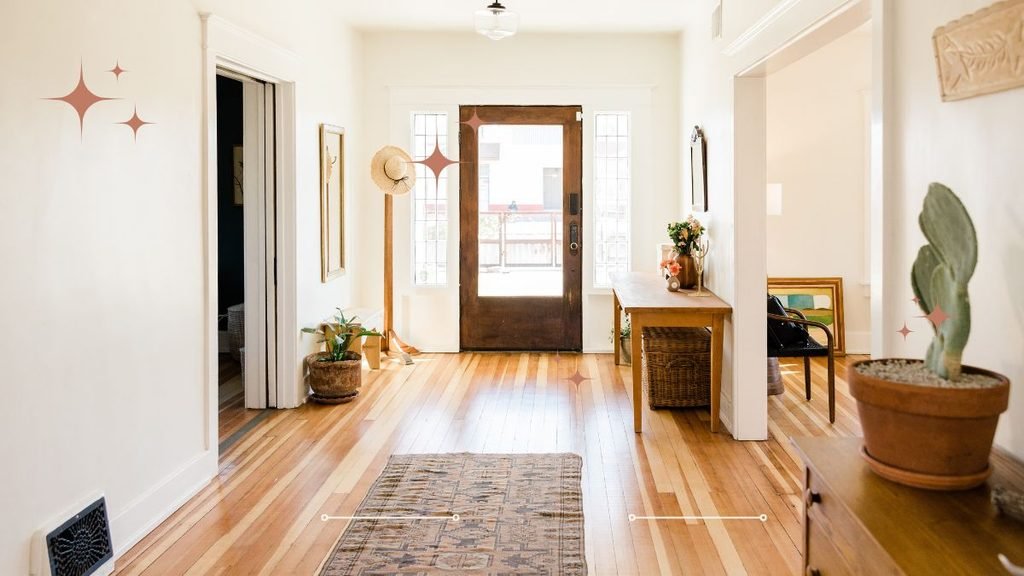
8. Refresh Your Entryway
Your entryway is the first area you see when you come home, so it deserves attention.
Start by removing shoes, bags, papers, and other items that have collected there. Then add one or two useful pieces.
Ideas include:
- A small mirror
- A simple tray for keys
- A wall hook
- A narrow bench
- A small plant
- A washable runner
Keep the area practical. A beautiful entryway is less useful if there is nowhere to put everyday items.
9. Bring in Some Greenery
Plants can add color and life to an otherwise plain room.
If you already have houseplants, move them to places where they receive suitable light. You can also group several smaller plants together to create a simple display.
No green thumb? Try low-maintenance plants that suit the light and conditions in your home. If real plants are not practical, quality artificial greenery can still add visual interest.
Just avoid overcrowding shelves and tables.
10. Change Your Curtains
New curtains can make a room look taller, softer, and more polished.
Choose curtains that work with your existing wall color and furniture. Light fabrics can create an airy feel, while heavier materials can make a room feel warmer.
One useful trick is to hang curtain hardware high enough to create a sense of height while keeping the fabric long enough to reach the floor where appropriate.
Measure carefully before buying anything.
11. Upgrade Cabinet Hardware
Changing knobs and pulls is a small project that can have a surprisingly large visual effect.
You can update:
- Kitchen cabinet handles
- Bathroom vanity knobs
- Dresser pulls
- Storage cabinet hardware
Choose a finish that works with other metal elements in the room.
Before purchasing replacements, measure the distance between screw holes on existing handles. This helps ensure that your new hardware will fit without extra drilling.
12. Deep Clean Forgotten Areas
Sometimes your home does not need more decoration. It simply needs a deeper clean.
Focus on areas that are easy to overlook:
- Baseboards
- Light switches
- Door handles
- Ceiling fan blades
- Window tracks
- Under furniture
- Lampshades
- Cabinet fronts
Clean surfaces can make existing furniture and decor look better.
For cleaning products, follow the label directions and never mix cleaning chemicals. The U.S. EPA specifically advises against mixing cleaning products because some combinations can create toxic vapors.
If weather and outdoor air quality allow, ventilation can also help when cleaning.
13. Style Open Shelves
Open shelves can quickly become cluttered.
Instead of filling every inch, remove everything and start again. Group similar objects and leave some empty space around them.
Try this simple combination:
- A few books
- One decorative object
- A small plant
- A framed picture
- One useful everyday item
Vary the heights of objects so the shelf does not look flat.
Remember: empty space is part of the design.
14. Create a Relaxing Bedroom Corner
Your bedroom should feel comfortable, not just functional.
Choose one small corner and turn it into a relaxing spot. Add a chair, small table, soft throw, reading lamp, or plant if space allows.
You could also create a simple bedside refresh by:
- Removing unnecessary items
- Adding a small lamp
- Keeping one book nearby
- Using a small tray
- Adding a calming piece of artwork
The goal is to create a corner that feels intentional without adding unnecessary clutter.
15. Refresh Your Bathroom
You can make a bathroom feel cleaner and more modern with a few small changes.
Start by clearing the countertop. Then replace tired towels, add a fresh bath mat, or switch to a new shower curtain.
You can also organize everyday products in a simple tray or basket.
For an extra touch, add a small plant that can handle the bathroom’s light and moisture conditions.
A clean mirror also makes a bigger difference than many people expect.
16. Add a Personal Touch
The final idea is simple: make the space feel like yours.
A home should not look like a furniture showroom. Display things that have meaning to you.
This could be:
- A favorite photograph
- A travel souvenir
- A handmade item
- A family piece
- A favorite book
- Artwork from a local creator
One meaningful object can have more impact than several random decorations.
The best home refresh rule
Before buying something new, ask:
“Will this make my home more useful, more comfortable, or more personal?”
If the answer is no, you may not need it.
Common Home Refresh Mistakes to Avoid
Buying everything new
A refresh does not mean replacing your furniture. Work with what you already own first.
Ignoring scale
A tiny rug under a large seating area or oversized decor on a narrow shelf can make a room feel unbalanced.
Using too many colors
Pick a simple color palette and repeat it throughout the room.
Decorating before decluttering
New decor will not solve a clutter problem. Clear the space first.
Choosing style over function
A beautiful item is not useful if it makes everyday life harder.
Starting too many projects
One finished project is better than five half-finished ones.
Practical Tips for a Better Home Refresh
Before starting, take a few photos of your rooms. Photos can help you notice things that are easy to ignore when you see the same space every day.
Also, make a small shopping list before heading to the store. This can help prevent impulse purchases.
For indoor air quality, the EPA recommends focusing on pollution source control, suitable ventilation, and filtration where appropriate. It also recommends keeping indoor humidity in a comfortable range, with 30–50% cited as a useful target in its consumer guidance.
Finally, do not feel pressured to finish your entire home in one weekend. Pick the areas that bother you most and start there.
Conclusion
You do not need a major renovation to make your home feel fresh.
These simple home refresh ideas show how small changes can create a noticeable difference. Start with free improvements such as decluttering and rearranging furniture. Then, if your budget allows, consider lighting, paint, textiles, plants, or new hardware.
Most importantly, choose updates that fit the way you actually live.
A refreshed home should not simply look good in photos. It should feel comfortable, useful, organized, and personal every day.