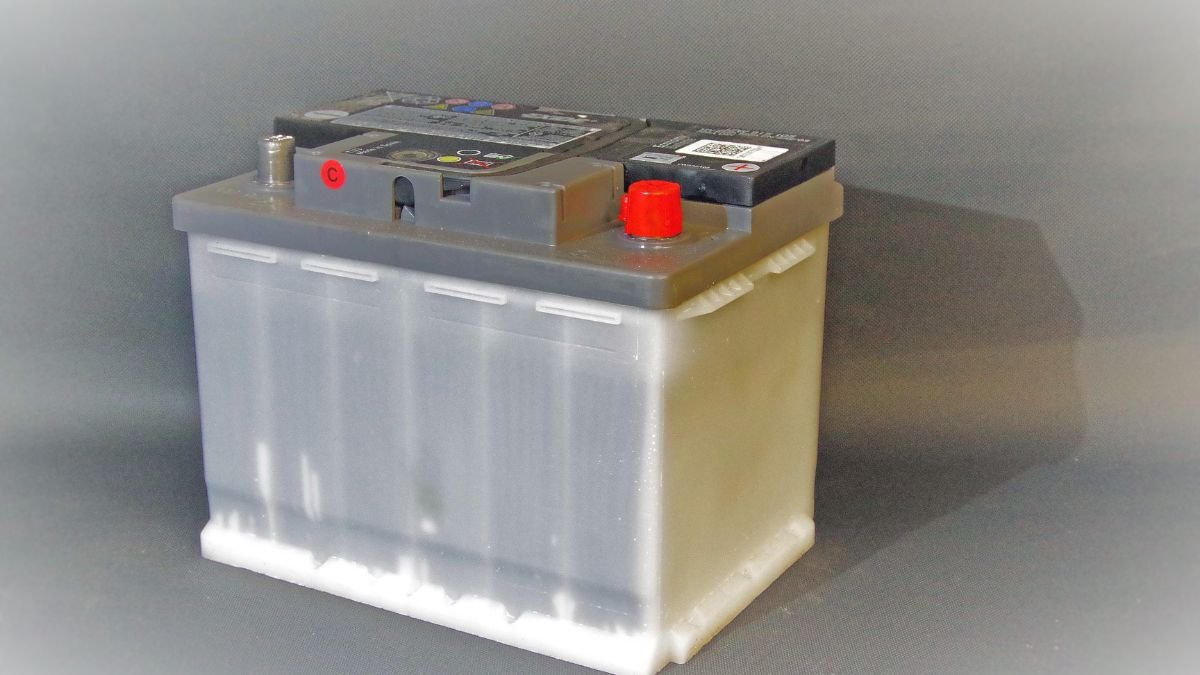
Adding a solar battery for your home can change how you use the electricity your solar panels produce. Instead of sending all unused solar power to the grid, you can store some of it and use it later, such as after sunset or during an outage.
However, buying a battery is not simply a matter of choosing the biggest model you can afford. Capacity, power output, battery chemistry, usable energy, warranty, installation requirements, local utility rules, and your home’s electricity use all matter.So, before signing an installation contract, take a step back. The right system should match your home, your energy habits, and the reason you want storage in the first place.
Table of Contents
- Know Why You Want a Solar Battery for Your Home
- Understand Battery Size and Power
- Check Battery Chemistry
- Look Closely at the Warranty
- Calculate the Real Cost
- Check Solar and Inverter Compatibility
- Think About Backup Loads
- Understand Installation and Safety
- Consider Battery Life and Efficiency
- Check Utility Rules and Future Needs
- Common Mistakes to Avoid
- Practical Buying Checklist
- FAQs
- Conclusion and Key Takeaways
1. Know Why You Want a Solar Battery for Your Home
Before comparing brands, decide what you want the battery to do. This single decision can affect almost every other part of the purchase.
A homeowner who wants backup power during outages has different needs from someone who mainly wants to use more solar electricity at night.
1. A solar battery for your home should solve a real problem
Common reasons to install battery storage include:
- Using daytime solar power after sunset
- Keeping important appliances running during outages
- Reducing electricity purchases during expensive rate periods
- Increasing the amount of solar energy used at home
- Adding another layer of energy resilience
- Preparing for future electricity needs
If your main goal is backup power, tell your installer exactly which appliances matter most. If your goal is bill savings, ask how the battery will operate under your utility’s rate structure.
2. Understand Battery Size and Power
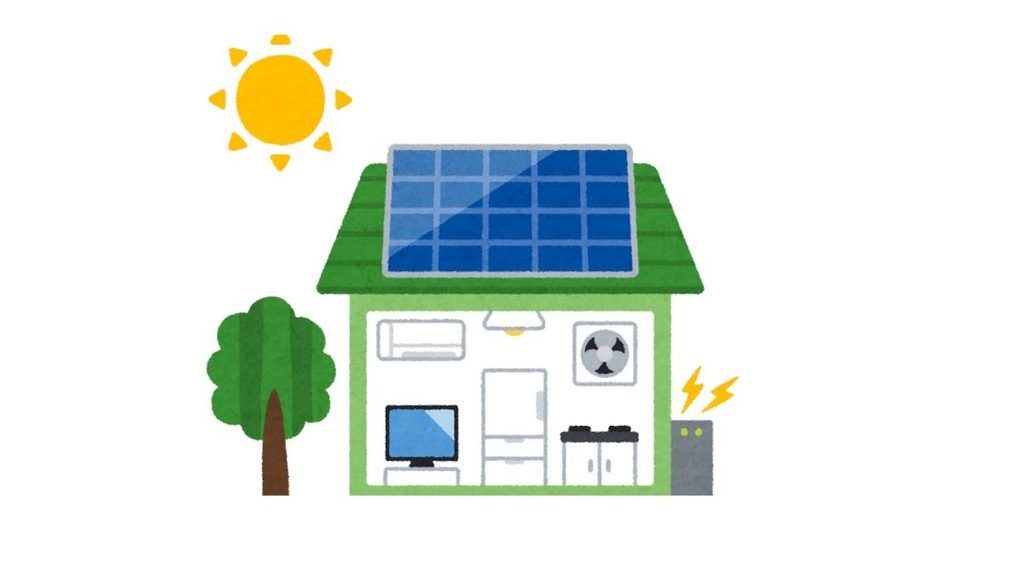
One of the most common buying mistakes is confusing energy capacity with power output.
Energy capacity is usually measured in kilowatt-hours (kWh). It tells you how much energy the battery can store.
Power is measured in kilowatts (kW). It tells you how much electricity the system can deliver at one time.
2.1 Solar battery for your home: kWh and kW are both important
Imagine a battery has 10 kWh of usable capacity. That does not automatically mean it can run every appliance in your house.
For example, a home may have enough stored energy for several hours but still lack the power output needed to start or operate several high-demand appliances together.
Ask your installer for two separate figures:
- Usable capacity: How much stored energy you can actually use.
- Continuous power: How much electricity the battery can deliver continuously.
- Peak power: How much extra power it can provide briefly.
- Backup duration: How long it may run your selected loads.
3. Check Battery Chemistry
Battery chemistry affects performance, lifespan, safety, weight, and cost.
Lithium-ion batteries are widely used in modern energy storage systems. However, lithium-ion is a broad category, so two batteries using lithium technology may still have different characteristics.
3.1 Solar battery for your home: compare chemistry, not just brand names
One chemistry you may encounter is lithium iron phosphate, often called LFP or LiFePO4. Other lithium-based chemistries are also available.
When comparing systems, ask:
- What battery chemistry is used?
- What operating temperatures are supported?
- What protection systems are included?
- Is the battery designed for indoor or outdoor installation?
- What certifications apply to the product?
- How does the manufacturer manage heat?
Don’t choose a battery based only on its advertised capacity. A slightly smaller system with suitable operating characteristics and strong warranty coverage may fit your needs better than a larger system.
Your installer should also explain how the battery’s chemistry affects its expected service life and installation location.
4. Look Closely at the Warranty
A solar battery is a major home purchase, so the warranty deserves as much attention as the price.
Don’t stop at the number of warranty years. Read what the warranty actually promises.
4.1 Solar battery for your home: read the fine print
A battery warranty may include conditions related to:
- Number of cycles
- Years of operation
- Minimum remaining capacity
- Maximum daily energy throughput
- Operating temperature
- Installation requirements
- Approved installers
- Replacement or repair terms
- Labor coverage
For example, a warranty might promise a certain percentage of the original capacity after a specified period. That is different from promising that the battery will perform like new for that entire period.
Ask the seller to provide the complete warranty document before you buy.
Also check who handles warranty claims. A strong product warranty is less useful if you cannot easily get service when something goes wrong.
5. Calculate the Real Cost
The advertised battery price is only part of the final bill.
Your total project cost may include the battery, inverter equipment, electrical work, permits, labor, monitoring equipment, and other installation costs.
5.1 Solar battery for your home: look beyond the sticker price
When comparing quotes, ask each installer to show:
| Cost or Feature | What to Check |
|---|---|
| Battery | Model and usable capacity |
| Power output | Continuous and peak kW |
| Inverter | Included or separate |
| Installation | Labor and electrical work |
| Permits | Included or extra |
| Backup equipment | Transfer switch or backup gateway |
| Monitoring | App or monitoring service |
| Warranty | Product and labor coverage |
| Maintenance | Expected service costs |
| Expansion | Cost and limits of adding batteries |
A note about U.S. tax credits in 2026
Be careful with older articles claiming that every homeowner can currently receive the federal Residential Clean Energy Credit for a new battery.
6. Check Solar and Inverter Compatibility
Not every battery works with every solar setup.
If you already have solar panels, give the installer the exact model numbers of your panels, inverter, and other major equipment.
The battery may need to communicate with your inverter or replace part of the existing system.
6.1 Solar battery for your home: confirm compatibility before buying
Ask these questions:
- Will the battery work with my existing inverter?
- Will the system need a new inverter?
- Can my current solar system charge the battery during a grid outage?
- Can the battery be expanded later?
- Will adding storage affect my solar monitoring system?
- Does the installation require utility approval?
This is especially important when adding a battery to an older solar installation.
A low battery price can become much less attractive if major electrical equipment must be replaced to make the system work correctly.
7. Think About Backup Loads
A battery does not necessarily mean your entire home will operate normally during an outage.
Some systems can back up selected circuits, while others can provide whole-home backup if the equipment and electrical service are designed for it.
7.1 Solar battery for your home: decide what stays on
Make a list of essential loads, such as:
- Refrigerator
- Freezer
- Internet equipment
- Lights
- Security system
- Medical equipment
- Garage door
- Selected outlets
- Heating or cooling equipment
Then identify high-power appliances such as electric water heaters, ovens, dryers, pumps, and air conditioners.
Your installer can determine whether the battery can start and run these loads together.
This step also helps you avoid paying for more battery capacity than you actually need.
8. Understand Installation and Safety
Battery installation is not a simple DIY project. It involves electrical equipment, high-energy storage, protective devices, and local building requirements.
8.1 Solar battery for your home: location matters
Before installation, ask about:
- Indoor versus outdoor placement
- Temperature limits
- Ventilation requirements
- Clearance around the equipment
- Protection from water and flooding
- Local electrical codes
- Fire-code requirements
- Emergency shutoff access
- Manufacturer installation rules
Use a qualified installer familiar with your local requirements.
Never place a battery in an unsuitable location simply because it is convenient. Follow the manufacturer’s installation instructions and local code requirements.
9. Consider Battery Life and Efficiency
All rechargeable batteries gradually lose capacity. The important question is not whether degradation happens, but how the manufacturer measures and warrants it.
Efficiency matters, too.
9.1 Solar battery for your home: compare usable energy
Round-trip efficiency describes how much energy you get back compared with the amount used to charge the battery.
Also ask about:
- Expected cycle life
- Capacity retention
- Daily cycling limits
- Temperature effects
- Software controls
- End-of-warranty capacity
A battery that costs slightly more may make sense if its usable performance and warranty better match your long-term needs.
10. Check Utility Rules and Future Needs
Your battery may connect to your home’s electrical system and, depending on the setup, interact with the utility grid.
That means local rules can matter.
10.1 Solar battery for your home: plan for the next few years
Before buying, ask:
All rechargeable batteries gradually lose capacity. The important question is not whether degradation happens, but how the manufacturer measures and warrants it.
9.1 Solar battery for your home: compare usable energy
Round-trip efficiency describes how much is about more than finding a battery with a high kWh rating. You need to understand how much energy you use, which appliances you want to protect, how much energy you get back compared with the amount used to charge the battery.
- Does my utility require approval?
- Are there special interconnection rules?
- Can the battery export electricity to the grid?
- Does my utility offer time-of-use rates?
- Are local incentives available?
- Can I add another battery later?
- Will I buy an electric vehicle?
- Could my electricity use increase?
Think about future loads, too. An EV charger, heat pump, electric water heater, home office, or new air conditioner could change your electricity needs.
Planning ahead can help you avoid installing a system that feels too small a few years later.
Comparison Table: What to Compare Before Buying
| Feature | Why It Matters | What to Ask |
|---|---|---|
| Usable capacity | Determines stored energy available to you | How many usable kWh? |
| Power output | Determines what can run together | What are continuous and peak kW? |
| Chemistry | Affects performance and service life | Which chemistry is used? |
| Efficiency | Shows energy lost during charging and discharging | What is the round-trip efficiency? |
| Warranty | Protects your investment | What capacity is guaranteed? |
| Installation | Affects total cost and safety | What is included? |
| Compatibility | Determines whether existing equipment can stay | Will my inverter work with it? |
| Backup | Determines which appliances operate in outages | Whole-home or selected circuits? |
| Expansion | Helps with future energy needs | Can more storage be added? |
| Monitoring | Lets you track system performance | What app or monitoring system is included? |
Common Mistakes to Avoid
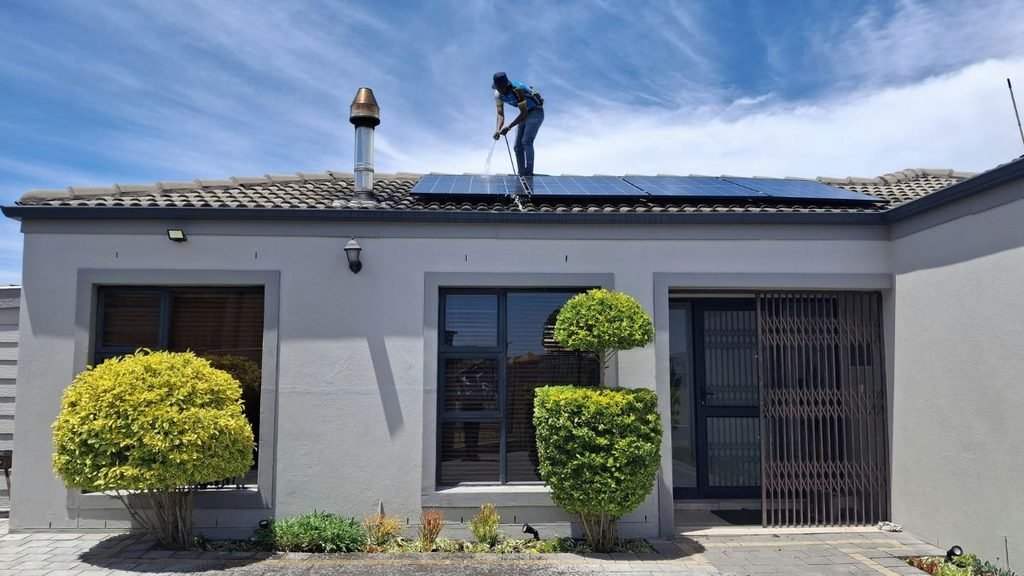
Buying the largest battery is not automatically the smartest choice. Avoid these common mistakes:
- Choosing capacity without checking power output.
- Comparing only the upfront price.
- Ignoring usable capacity.
- Skipping the warranty details.
- Assuming the battery will back up the whole house.
- Failing to check inverter compatibility.
- Ignoring local utility requirements.
- Buying without understanding installation costs.
- Using old information about tax credits or incentives.
- Not asking how the system will perform as the battery ages.
A good quote should explain what you are buying in plain language.
Practical Buying Checklist
Before signing a contract, make sure you can answer these questions:
- What is my main reason for installing storage?
- How much electricity does my home use each day?
- How many usable kWh do I need?
- What appliances must work during an outage?
- What is the battery’s continuous power rating?
- What is its peak power rating?
- What chemistry does it use?
- What does the warranty cover?
- How much capacity is guaranteed at the end of the warranty?
- Is installation included in the quoted price?
- Will my existing solar inverter work with it?
- Does my utility require approval?
- Can I expand the system later?
- What happens if the battery needs service?
- Which incentives are actually available in my location today?
FAQs
Is a solar battery worth buying for every home?
No. The value depends on your electricity rates, solar production, outage risk, energy use, battery price, and local rules. Some homeowners mainly want backup power, while others want to use more of their own solar energy.
How big should a home solar battery be?
There is no single size that fits every home. Start with your daily electricity use and the appliances you want to run during an outage. Then compare usable kWh with the battery’s continuous and peak power ratings.
Can a solar battery power my entire house?
It can in some installations, but not automatically. Whole-home backup depends on the battery’s power rating, your electrical service, the backup equipment, and the loads in your home.
How long do solar batteries last?
Service life varies by chemistry, model, temperature, cycling, and operating conditions. Instead of relying only on a general number of years, check the manufacturer’s cycle information and capacity-retention warranty.
Can I add a battery to existing solar panels?
Often, yes, but compatibility matters. Your existing inverter and electrical equipment may affect which battery systems can be installed and whether additional equipment is required.
Does a battery work when the power goes out?
A properly configured battery system can provide backup power during an outage. However, the exact behavior depends on the system design, backup equipment, solar setup, and which circuits are connected.
Should I buy one large battery or several smaller batteries?
That depends on your power needs, available space, installation costs, and whether you want future expansion. Ask installers to compare both options using the same usable capacity and backup requirements.
Do solar batteries need maintenance?
Many modern residential systems are designed for relatively low routine maintenance, but they still need monitoring and occasional service if an issue occurs. Follow the manufacturer’s maintenance and inspection requirements.
Final Thoughts
Choosing a solar battery for your home is about more than finding a battery with a high kWh rating. You need to understand how much energy you use, which appliances you want to protect, how much power the battery can deliver, and how the system will connect to your existing solar equipment.
Take time to compare usable capacity, power output, chemistry, efficiency, warranty, installation costs, safety requirements, and future expansion options. Most importantly, ask for detailed quotes from qualified installers and compare them using the same information.
The best purchase is not necessarily the biggest or cheapest battery. It is the system that matches your home’s energy needs, budget, backup goals, and long-term plans.